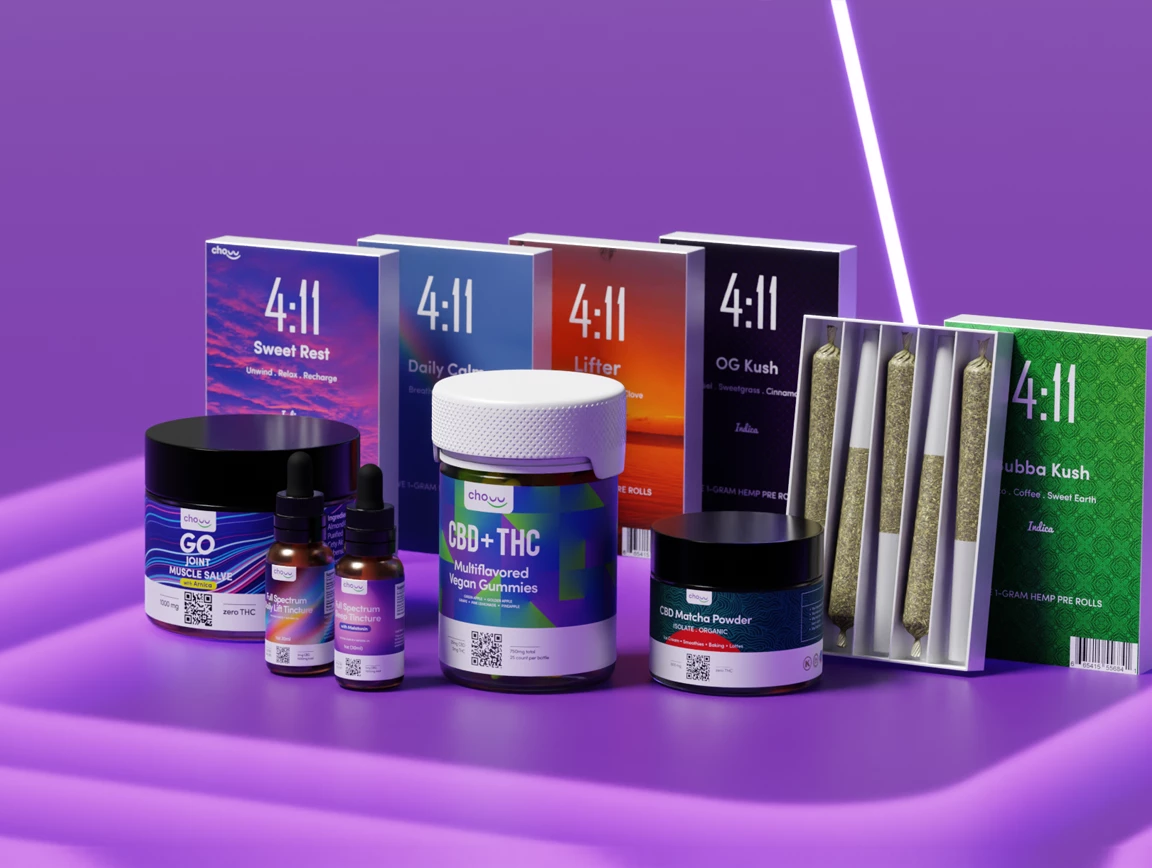
Memorial Day Summer Stock-Up · UP TO 60% OFF Bundle the best · gift the crew · cookout-ready savings --d --h --m --s Shop Bundles →
Go back
Refer
$20
Refer
Get $20 in Chowcash when you refer friends, stores, and brands to Chow420. Your friends also get $20 towards their first purchase when they accept your invitation.
Login to Refer

<p>Learn more about wellness products on Vliso</p>

blog

Federal Rescheduling Redraws Boundaries for Hemp-Derived CBD/THC Shoppers

When Medical Cannabis Shifts to Schedule III, What Happens to Hemp-Derived CBD/THC Shoppers? A pivotal regulatory reshuffle in April 2026 has lifted certain medical cannabis products into Schedule III, carving out a new legal and tax framework. While this is a win for licensed medical operators, it leaves hemp-derived CBD/THC products and adult-use offerings in a precarious gray zone-especially as federal hemp definitions tighten later this year. Disclaimer: This article is for informational purposes only and does not constitute medical or legal advice. 1. A Narrow Rescheduling Wins Big for Medical Operators As of April 22, 2026, only two categories moved to Schedule III: FDA-approved marijuana drug products and cannabis under state medical marijuana licenses. This change unlocks potential tax relief-state-licensed medical operators are no longer automatically subject to Section 280E's disallowance of business deductions-and opens a fast-track DEA registration window for early applicants. Dual-license operators, however, must carefully segregate operations to avoid compliance risk. Meanwhile, adult-use cannabis and hemp-derived THC products remain trapped under Schedule I, with full federal scrutiny intact. 2. Hemp-Derived Products Still Face Federal Uncertainty Federal rescheduling does not extend to hemp-derived cannabinoids-delta-8, THCA, or other intoxicating hemp products remain outside Schedule III's relief. Compounding the pressure, a federal definition change slated for November 12, 2026 will tighten hemp limits, potentially reclassifying many popular hemp-derived products as Schedule I. That shift threatens to destabilize retailers and brands relying on the current Farm Bill framework. 3. Two-Tier Federal Cannabis Market: How It Affects Shoppers The new regulatory landscape creates a bifurcated cannabis market: medical cannabis in Schedule III, hemp-derived and adult-use still in Schedule I. Consumers will see growing complexity at the counter-identical flower or gummies may carry vastly different legal exposure depending on licensing and sourcing. Retailers and brands must refine labeling, tracking, and marketing to navigate this split, while shoppers should be alert to origin and licensing distinctions when choosing products. 4. Market, Tax, and Brand Strategy Ripples Tax: Medical operators may now deduct ordinary business expenses, while hemp-derived THC sellers remain locked out of that benefit. Banking: Schedule III status may ease financial access for medical cannabis businesses; hemp-derived operators still face banking friction. Brand Strategy: Operators may pivot toward medical channels or reclassify product lines to align with Schedule III eligibility. 5. Consumer Behavior: Navigating Legal and Compliance Complexity Shoppers will need to become more discerning. The same product category-say, a delta-9 gummy-could be sold legally in one context but federally risky in another. Brands and retailers must educate consumers on distinctions, while consumers should demand clarity on licensing, COA data, and federal status. 6. Retailers and Compliance: Preparing for the Hemp Cliff Retailers of hemp-derived THC products face a looming deadline. With federal definitions tightening in November, operators must assess whether their inventory will remain legal, and plan for product reformulation or exit strategies. Medical-licensed operators, by contrast, should act fast to secure DEA registration and adjust operations for Schedule III compliance. Internal Resources to Explore Looking for hemp wellness products? Check out Shop Hemp Wellness Products | Buy Online | Chow420 for curated selections. Want to compare brands or products? Visit our ChowIndex: Hemp Product Directory and ChowIndex: Brand & Product Rankings to get ratings and insights. Explore specific products like nama Daytime Microdose Gummies (40-count) or the nama Anytime Microdose Gummies (40-count) to see how product offerings align with shifting regulations. FAQ Q What happens if I buy hemp-derived THC after November 12, 2026? A federally tighter hemp definition could push many products into Schedule I status, exposing buyers and sellers to legal risk. Q Can dual-license operators sell the same product in medical and adult-use channels? Yes-but only if they maintain strict separation of inventory, accounting, and operations to prevent Schedule I exposure from contaminating Schedule III compliance. Q Does rescheduling make medical cannabis available in pharmacies? Not automatically. While Schedule III opens regulatory pathways, pharmacy distribution requires further FDA, DEA, and state approvals. Q Are hemp-derived CBD products without THC affected by this rescheduling? No. Pure CBD products under the hemp definition remain governed by the Farm Bill and are unaffected-at least until federal definitions change. Q How can I tell if a product qualifies as Schedule III? Look for indicators like FDA approval or sale through a state-licensed medical marijuana program. Labels, COAs, and retailer transparency are key. Looking Ahead As medical cannabis navigates its new Schedule III path, hemp-derived CBD/THC products stand at a crossroads. Retailers, brands, and consumers must brace for shifting definitions, tax regimes, and compliance expectations. The November hemp definition change looms large-and how the industry adapts will determine who survives the next wave of regulatory upheaval....

blog

Alabama's Hold on Federal Rescheduling: What Hemp CBD/THC Shoppers Need to Know

Alabama's Hold on Federal Rescheduling: What Hemp CBD/THC Shoppers Need to Know The Alabama Department of Public Health has formally objected to the federal rescheduling of marijuana from Schedule I to Schedule III, triggering a public comment period and delaying state-level implementation. This pause may seem procedural, but for hemp-derived CBD and THC consumers in Alabama, it arrives amid an already turbulent regulatory environment. Disclaimer: This article is for informational purposes only and does not constitute legal or medical advice. Why Alabama's Delay Amplifies Shopper Uncertainty By opting to delay the federal rescheduling, Alabama health officials have created an implementation buffer-allowing public hearings and stakeholder input before aligning state law with federal changes. However, for consumers, this means that any potential easing in taxation or expanded access tied to Schedule III status remains on hold. Meanwhile, Alabama's hemp framework, under House Bill 445, already imposes adult-only retail, strict THC limits, and bans on smokable THC. Shoppers navigating this landscape face dual uncertainty: a static federal status and tightening state rules. Alabama's Hemp Rules: Already Tight, Now More Confusing Only hemp products with no more than 0.3% delta-9 THC are legal, and consumables must be sold through licensed adult-only retailers-no online or delivery sales allowed. Smokable hemp, including vapes and flower, is banned and carries felony penalties. Edibles and beverages have THC caps-10 mg per serving, 40 mg per package. Delta-8, delta-10, and other analogs are restricted under the law's total-THC definition. These rules already create a narrow window for shoppers. The rescheduling pause adds another layer: no federal tax relief for medical cannabis businesses, no research expansion, and no clarity on how hemp-derived THC might be treated under a Schedule III framework. How Shoppers Should Adjust Their Approach Whether you're buying gummies, tinctures, or microdose gummies from our Shop Hemp Wellness Products | Buy Online | Chow420, or browsing the latest offerings like nama Anytime Microdose gummies, you'll want to stay vigilant. Verify that each product complies with the 0.3% delta-9 THC threshold and the 10 mg per serving limit. Confirm that the retailer holds a valid license-only ABC-regulated outlets, pharmacies, or specialized hemp stores can sell consumables. Ask for lab testing results, especially for total-THC content, to avoid inadvertent possession of illegal marijuana-level products. Use resources like ChowIndex: Hemp Product Directory and ChowIndex: Hemp Businesses in Alabama to find compliant products and retailers. What This Means for Brands and Retailers The rescheduling delay gives Alabama regulators more time to align medical cannabis rules, but it doesn't change the fact that hemp-derived THC products remain tightly regulated. Retailers should continue to focus on compliance-strict labeling, accurate COAs, and licensed distribution channels. Brands may need to adjust formulas to meet delta-9 and total-THC caps, or pivot marketing toward non-intoxicating CBD lines. Consumers may turn toward microdose products-like nama Daytime Microdose-that clearly signal low THC content and wellness intent. FAQ Q: Will federal rescheduling change the 10 mg THC cap on edibles? A: Not immediately. The cap stems from Alabama's HB 445; until the state formally adopts new rules post-rescheduling, the cap stands. Q: Can I expect hemp shops to sell smokable hemp again after rescheduling? A: Unlikely. Alabama law currently bans smokable hemp regardless of THC level. Rescheduling doesn't override that ban. Q: Does the delay impact my ability to deduct CBD business expenses? A: Possibly. Schedule III status would allow medical cannabis businesses to deduct expenses-but until Alabama implements it, state-level tax relief remains uncertain. Q: Are delta-8 or delta-10 products still legal here? A: They are restricted under the total-THC rules and face legal risk. Retailers and consumers should treat them as tightly regulated. Alabama's decision to delay rescheduling may seem like a pause in progress, but it's more of a recalibration. Hemp-derived CBD/THC shoppers must continue operating in a highly regulated environment-prioritizing licensed retailers, compliant products, and transparent testing. As the state moves through the public comment period and finalizes its approach, your best strategy is informed, cautious consumption today. Looking ahead, once Alabama completes its implementation process, we'll revisit how rescheduling reshapes access, taxation, and market dynamics for hemp-derived products in the state....

blog

New Jersey's Hemp-THC Drink Shakeup: Liquor Stores to Sell Wine-Size THC Beverages Temporarily

New Jersey's Hemp-THC Drink Shakeup: Liquor Stores to Sell Wine-Size THC Beverages Temporarily A sharp pivot in New Jersey's hemp-derived THC beverage rules is creating a brief but impactful window for shoppers: liquor stores may now stock wine bottle-size THC drinks-up to 750 ml-under a law that extends sales flexibility through mid-November 2026. This change arrives as the state braces for stricter federal limits and aligns consumer access with evolving regulatory standards. Disclaimer: This article is informational only and does not constitute medical, legal, or tax advice. How the Temporary Liquor-Store THC Beverage Rule Came About Senate Bill 3945, sponsored by Sen. Nicholas Scutari, advanced swiftly through the Legislature and was signed into law by Gov. Sherrill in March 2026. The law lifts prior restrictions on container size and THC limits for intoxicating hemp beverages sold in liquor stores licensed by the Division of Alcoholic Beverage Control (ABC) and cannabis retailers under the Cannabis Regulatory Commission (CRC), allowing up to 750 ml containers for the duration of the temporary phase. This flexibility will last until November 13, 2026, when federal hemp definitions tighten and all intoxicating products exceeding 0.4 mg THC per container must transition to regulated cannabis channels. This shift reflects a deliberate regulatory easing designed to give retailers a chance to adapt while maintaining age-verified access. It responds to concerns about declining alcohol sales and the potential of THC drinks to draw shopper traffic to licensed outlets. Retailers and Consumers: A Brief Regulatory Breather For retailers, especially liquor stores, the new rule opens a temporary revenue stream. THC beverages have become a notable growth category, helping offset softening alcohol purchases. Allowing larger containers-comparable to wine bottles-enhances shelf appeal and product diversity. Consumers gain more variety and potentially better value during this window, with access to larger THC drinks in familiar retail environments-at least until November. That said, public safety advocates warn of risks: higher-dose beverages raise concerns about overconsumption and impaired driving, especially in the absence of reliable roadside THC testing or trained recognition officers. Regulatory and Legal Implications for the Hemp-THC Market This temporary policy illustrates how state law can shape consumer behavior and market dynamics in the short term. By deferring full alignment with federal hemp definitions until November, New Jersey is giving manufacturers, distributors, and retailers time to adjust. However, the looming federal cap on THC per container means businesses must prepare now for a transition to cannabis-only channels. In parallel, the law also streamlines adult-use licensing for medical cannabis dispensaries, allowing them to pursue adult-use operations without additional municipal approvals. This could accelerate market entry for existing operators and reshape competitive dynamics in the hemp-THC space. What This Means for Hemp-THC Shoppers Right Now Expect to find larger, wine-size hemp-derived THC drinks at licensed liquor stores through November 13, 2026. These products may offer better price per milligram and more convenience compared to smaller servings or dispensary-only options. Look for clear serving-size info and certification of analysis to ensure compliance and safety. Be aware: after November, any product exceeding 0.4 mg THC per container must be sold through CRC-regulated cannabis retailers only. Linking You to More Hemp-THC Resources and Shopping Options Explore our curated hemp-wellness selection and deals: Shop Hemp Wellness Products | Buy Online | Chow420 Shop Hemp THC Drinks nama Euphoria Buzz Packs - 60-serving powder drink mix cbdMD Delta 9 THC Drink Mixer - Starter Pack Check out our rankings and directories for deeper insights: ChowIndex: Hemp Product Directory ChowIndex: Hemp Businesses in New Jersey FAQ QWill these wine-size THC beverages still be sold after November 13, 2026? ANo. After that date, any intoxicating hemp drink over 0.4 mg THC per container must be sold only through CRC-licensed cannabis retailers, not liquor stores. QAre there THC-per-serving limits during this temporary period? AYes. THC per serving remains capped at 5 mg, with a maximum of 10 mg per container, even for wine-size formats. QDo these larger containers require special packaging or labeling? AYes-products must include serving-size information and meet testing standards, including certification of analysis and proper labeling. QCan medical dispensaries skip municipal review to add adult-use sales? AYes. The new law streamlines licensing for medical cannabis operators seeking adult-use retail, eliminating the need for separate municipal approval. As November approaches, stakeholders across the supply chain-from producers to retailers-should be planning their transition to a fully compliant cannabis distribution model. For shoppers, this temporary rule offers a rare chance to explore larger-format hemp-THC drinks in familiar retail settings before the regulatory window closes....

blog

Lawmakers Urge Clemency for Federal Cannabis Prisoners After Partial Rescheduling Shift

Democratic Lawmakers Seek Clemency for Cannabis Prisoners Amid Rescheduling Reform A group of Democratic members of Congress are urging President Trump to issue a broad commutation for individuals still serving federal sentences for marijuana offenses-arguing that the recent shift to reschedule certain cannabis products to Schedule III does not address the ongoing injustice faced by federal inmates. Disclaimer: This article is for informational purposes only and does not constitute medical, legal, or financial advice. How Rescheduling Highlights a Gap in Justice While federal policy has moved to reclassify FDA-approved cannabis products and those under state medical licenses from Schedule I to Schedule III, this change does not alter the legal status for individuals currently incarcerated under earlier marijuana laws. Lawmakers emphasize that rescheduling, though symbolically significant, fails to provide tangible relief to those serving lengthy sentences under outdated federal statutes. Why Commutation Matters for the Bureau of Prisons Beyond addressing equity and injustice, lawmakers note that commuting sentences for marijuana-related prisoners could ease overcrowding and resource strain within the Bureau of Prisons. Redirecting administrative and operational focus from nonviolent cannabis offenders to more pressing needs could improve system efficiency. Policy Inconsistency: Reform Without Relief The rescheduling move signals an acknowledgment that cannabis has accepted medical value, yet the continued incarceration of individuals for related offenses undercuts that recognition. The lawmakers' letter underscores this policy inconsistency and calls for executive action to align sentencing realities with evolving federal attitudes toward cannabis. Implications for Hemp-Derived CBD/THC Shoppers Increased public pressure for broader reform could influence federal regulatory approaches affecting hemp-derived products. Changes in perception around cannabis sentencing may support shifts in retail strategy and branding within the hemp wellness space. As policy narratives evolve, consumer behavior may lean toward brands aligned with justice reform and social equity messaging. What Shoppers Can Do Now Consumers interested in supporting reform-aligned brands may explore our curated collection of hemp wellness offerings: Shop Hemp Wellness Products | Buy Online | Chow420 Check out the nama Daytime Microdose Gummies for balanced cannabinoid support. Explore nama Nighttime Microdosed THC Gummies with Chamomile for gentle evening relief. For deeper insight into product compliance and brand rankings, the ChowIndex: Brand & Product Rankings and ChowIndex: Hemp Product Directory offer valuable resources for informed shopping. Q Will rescheduling to Schedule III automatically free people in prison? A: No. Rescheduling affects classification of products but does not retroactively adjust sentences or release individuals currently incarcerated. Q How many federal inmates are affected by marijuana sentencing? A: Data indicates around 3,000 individuals remain federally incarcerated for marijuana trafficking offenses, many under mandatory minimum sentences of five years or more. Q Can commuting sentences help the federal prison system? A: Yes. Lawmakers argue that reducing the inmate population for nonviolent cannabis offenses could relieve overcrowding and allow resources to be allocated more effectively. Q Does this impact hemp-derived CBD/THC product availability? A: While the commutation push isn't directly tied to product access, a broader shift in cannabis policy may influence regulatory trends and consumer sentiment in the hemp wellness market. As this conversation unfolds, the fate of federal cannabis prisoners remains a litmus test for whether rescheduling signals real reform-or simply a symbolic shift. The coming weeks may reveal whether executive action will bridge that gap, offering both justice for individuals and clarity for the hemp-derived CBD/THC community....

blog

Safety-Sensitive Jobs, Hemp-Derived THC & The Rescheduling Carve-Out Debate

When Rescheduling Meets Workplace Risk: Why Safety-Sensitive Workers Matter for Hemp-THC Shoppers A push by GOP lawmakers and anti-marijuana groups for a "safety carve-out" amid federal cannabis rescheduling has reignited concerns for hemp-derived THC shoppers-especially those in safety-sensitive roles. The carve-out could preserve drug testing for THC in federal safety roles, but also underscores how even legal hemp products may still trigger workplace drug-test consequences. Disclaimer: This article is informational only and does not constitute medical, legal or employment advice. How the "Safety Carve-Out" Could Redraw Drug-Testing Rules As cannabis moves toward rescheduling to Schedule III, some lawmakers are demanding a carve-out to allow continued THC testing for safety-sensitive federal roles-like air traffic controllers, pilots, and transportation workers. Without it, agencies such as DOT could lose authority to test for marijuana metabolites, potentially altering enforcement in roles critical to public safety. This debate isn't theoretical. Without a carve-out, rescheduling could strip DOT and other agencies of their ability to enforce existing THC testing protocols-raising the stakes for hemp-derived THC users in regulated jobs. Why Hemp-Derived THC Still Triggers Drug-Test Risk Even though hemp products are federally legal when under 0.3% THC, regular use can lead to metabolite buildup detectable in standard drug screens. Studies show that daily CBD users may test positive at common cutoff thresholds, and delta-8 THC-often marketed as a hemp alternative-can also produce metabolites indistinguishable from delta-9 THC in routine confirmatory assays. For shoppers, this means that even low-dose hemp-derived THC products carry real drug-test risk-especially in roles where safety is paramount. Implications for Hemp-THC Shoppers in Safety-Sensitive Roles Legal hemp-derived products may still fail drug tests due to metabolite accumulation or indistinguishable delta-8 breakdown. Pending carve-out legislation could preserve testing authority-but also preserve risk for users in safety-sensitive positions. Shoppers in regulated jobs must weigh product potency, frequency, and testing thresholds carefully. Where Brand Strategy and Consumer Behavior Intersect For hemp brands, transparency and testing standards become critical in this environment. Clear labeling, third-party COAs, and low-THC formulations may differentiate products-but may not fully mitigate testing risk. Consumers in safety-sensitive roles may shift toward zero-THC products or pause use altogether around testing windows. Retailers and brands must adapt messaging and formulation strategies to address this niche-but growing-segment of cautious shoppers. Navigating the Patchwork: Shopper Checklist Review product COAs for THC content and batch consistency. Prefer explicitly labeled zero-THC or THC-free products, especially if testing is imminent. Track personal use frequency and consider at-home tests to monitor THC levels. Understand your employer's drug-testing policies and any carve-out implications. Relevant Chow420 Resources for Informed Shopping Explore these internal resources to help guide your decisions: Shop Hemp Wellness Products | Buy Online | Chow420 Shop Hemp Wellness Products | Buy Online | Chow420 Shop Hemp Wellness Products | Buy Online | Chow420 nama Daytime Microdose Gummies (10-count) nama Nighttime Microdose Gummies (20-count) ChowIndex: Hemp Product Directory ChowIndex: Brand & Product Rankings Frequently Asked Questions QWill rescheduling alone reduce drug-test failures for hemp-THC users? ANot necessarily. Even if marijuana is rescheduled, THC metabolites from hemp products can still trigger positive tests under current DOT protocols-unless a carve-out specifically removes THC testing authority. QDoes choosing delta-8 products eliminate test risk? ANo. Delta-8 metabolizes into compounds similar to delta-9 THC, and standard confirmatory tests often cannot distinguish them-posing the same testing risk. QCan I use at-home testing to manage risk? AYes. At-home urine tests can help estimate metabolite levels, allowing you to pause or adjust use before formal testing. QShould brands offer separate low-THC and zero-THC lines? AThat approach can build trust with safety-sensitive consumers. But even low-THC products may need clear communication about testing risks and batch variability. As rescheduling and carve-out policy debates evolve, hemp-THC shoppers-especially those in regulated roles-will need to stay informed and adapt. Brands and retailers that prioritize transparency, low-THC clarity, and testing guidance will gain trust in a complex, ever-changing landscape....

blog

Virginia's Veto Leaves Hemp-Derived CBD/THC Retailers in a Regulatory Squeeze (May 23, 2026 #2066)

Virginia's Veto Leaves Hemp-Derived CBD/THC Retailers in a Regulatory Squeeze Virginia's latest veto of legislation to establish a regulated adult-use cannabis market has thrust hemp-derived CBD/THC retailers into deeper uncertainty. While shoppers have relied on low-THC hemp products to fill the void left by the absence of legal recreational sales, the governor's decision-and looming federal THC restrictions-now threaten to disrupt both supply and consumer behavior. Disclaimer: This article is for informational purposes only and does not constitute medical or legal advice. Veto Delays Legal Retail Cannabis, Bolstering Hemp-Derived THC Reliance On May 19, 2026, the governor vetoed HB 642 and SB 542, effectively killing the planned launch of Virginia's first regulated recreational cannabis marketplace slated for January 2027. This marks the third veto of its kind in as many years, prolonging the state's "legal but nowhere to buy" paradox. With no licensed retail outlets, consumers have increasingly turned to hemp-derived THC options like delta-8 and delta-10 products-available through smoke shops, gas stations, and online-despite mounting regulatory constraints. Polls Show Overwhelming Support for Regulated Cannabis and Safety-Focused Retail Recent polling reveals that roughly 70 percent of voters-across party lines-support legal retail cannabis access. Nearly 80 percent agree that regulated storefronts are preferable to unregulated outlets, citing concerns over safety and lack of oversight. This highlights a growing disconnect between public sentiment and policy inertia. Hemp-Derived THC Sellers Facing Squeeze from Both Ends Hemp producers and retailers may view the veto as a chance to shape smarter policy, but they're also under pressure from two fronts: state-level THC caps and an incoming federal rule. Virginia already limits hemp-derived THC edibles to 2 mg per package unless the CBD-to-THC ratio is at least 25:1. Meanwhile, the federal redefinition of hemp-effective November 12, 2026-tightens the allowable total THC per container to just 0.4 mg, threatening to render most existing hemp-derived THC inventory federally illegal unless retailers clear stock before the deadline. Supply Chain Disruptions and Market Instability Many Virginia hemp growers and businesses have already felt the strain of delayed recreational reform. Some have exited the market entirely, citing unsustainable regulatory uncertainty. With the veto in place and tighter federal limits looming, remaining operators face inventory losses, compliance costs, and shrinking margins. Consumer Behavior: From Convenience to Compliance Anxiety Shoppers accustomed to grabbing hemp-derived THC gummies, vapes, and drinks may soon encounter scarcity-or risk purchasing noncompliant products. With stricter limits and no legal adult-use dispensaries, consumers may gravitate toward illicit sellers or travel out of state, reversing gains in safety and traceability. Brand Strategy: Adapt or Exit Hemp brands in Virginia now face strategic crossroads: reformulate low-THC products, pivot toward CBD-only lines, or push for renewed legislative progress in 2027. Some see the veto as a strategic pause that could yield more inclusive, equitable frameworks-if small operators' voices are heard. Retailers can prepare by exploring compliant offerings such as low-THC CBD blends or microdosed gummies, updating labeling and COAs, and clearing noncompliant stock ahead of the federal deadline. Internal Resources for Virginia Hemp-Derived CBD/THC Shoppers Browse compliant wellness options at Shop Hemp Wellness Products | Buy Online | Chow420 Explore microdosed gummies like nama Daytime Microdose (40-count) and nama Nighttime Microdosed THC Gummies Check local availability via our Chow420 Smart Dispensary - Livermore, CA or Long Beach, CA listings Compare product rankings in the ChowIndex: Brand & Product Rankings Frequently Asked Questions QHow soon must retailers clear noncompliant hemp-derived THC inventory before federal changes? ARetailers must address inventory by November 12, 2026, when the federal definition changes; unsold noncompliant products may become illegal. QCan shoppers still legally buy hemp-derived THC products in Virginia now? AYes-products under the 2 mg total THC cap or meeting the 25:1 CBD ratio remain legal under current Virginia rules. QDoes the governor's veto mean recreational cannabis is off the table permanently? ANo-the veto delays retail legalization until at least the 2027 legislative session, when similar bills may be reintroduced. QWhat should consumers look for to ensure they're buying compliant hemp-derived products? ACheck total THC per package, CBD-to-THC ratio, and verify that the product follows Virginia's labeling and testing requirements. Looking Ahead: Preparing for 2027 and Beyond Virginia's veto has intensified the stakes for hemp-derived CBD/THC players-retailers, growers, and consumers alike. With federal THC limits tightening and no legal dispensaries on the horizon until at least 2027, the market is at an inflection point. Forward-thinking businesses will adapt product lines, clear inventory, and engage in policy advocacy. Consumers will need to stay informed and cautious, favoring verified, compliant products. As 2027 approaches, the shape of Virginia's cannabis landscape may finally shift-but only if the groundwork is laid now....

blog

Virginia's Retail Cannabis Veto: What It Means for Hemp-Derived CBD/THC Products

Virginia's Retail Cannabis Veto: What It Means for Hemp-Derived CBD/THC Products The governor's decision to veto the proposed retail cannabis legislation has thrown Virginia's hemp-derived CBD/THC industry into renewed uncertainty. With no legal adult-use market yet and tighter restrictions on intoxicating hemp products still in place, businesses and consumers alike must navigate a shifting landscape. Disclaimer: This article is for informational purposes only and does not constitute medical or legal advice. Why Virginia's Veto Matters for Hemp-Derived Product Retailers Governor Spanberger vetoed HB 642 and SB 542, citing concerns about a rushed timeline for launching retail cannabis sales and an excessive number of proposed dispensaries. She emphasized the need for a more measured, implementable rollout. Sales had been slated to begin January 1, 2027, but her amendments proposed delaying until mid-2027 and scaling back the number of stores. The veto leaves the Commonwealth without a legal recreational cannabis retail system.([marijuanamoment.net](https://www.marijuanamoment.net/virginia-governor-explains-marijuana-veto-saying-she-worried-about-rushed-timeline-and-too-many-dispensaries/)) For hemp-derived CBD/THC businesses, the veto extends the limbo created by years of regulatory instability. These retailers have already faced strict THC limits-such as the 2 mg per package cap or a 25:1 CBD-to-THC ratio-that have squeezed product lines and revenue. Without a legal cannabis market to transition into, many operators are left stranded.([cannabislaw.report](https://cannabislaw.report/adult-use-cannabis-retail-system-approved-by-virginia-legislature/)) Strained Hemp Retailers: Between Tight Caps and No Exit Ramp Since July 2023, Virginia has enforced a stringent total-THC cap in hemp products. Many retailers closed or relocated, citing drastic revenue drops and burdensome fines. Some estimates suggest over 100 shops shuttered in the wake of enforcement actions.([virginia-hemp.com](https://www.virginia-hemp.com/)) The veto deprives hemp businesses of a viable transition path. With no regulated cannabis market emerging, they remain confined to a narrow, regulated hemp space or risk operating illegally. Some CBD sellers welcomed the veto, seeing it as an opportunity to advocate for a more realistic transition plan.([wtvr.com](https://www.wtvr.com/news/local-news/cbd-sellers-marijuana-market-veto-may-20-2026)) What Consumers Face Under Current Regulations Shoppers seeking hemp-derived CBD/THC products will continue to find limited options. High-potency products remain off shelves, and the legal offerings may not meet consumer demand. The risk is a continued shift to unregulated or illicit channels.([cardinalnews.org](https://cardinalnews.org/2026/03/26/hemp-company-owners-no-rec-no-hemp-how-virginia-broke-its-own-cannabis-market/)) Meanwhile, the absence of legal adult-use sales keeps the state in a policy gap where possession is allowed but purchase options remain nonexistent. That gap fuels confusion and uneven enforcement.([cardinalnews.org](https://cardinalnews.org/2026/03/26/hemp-company-owners-no-rec-no-hemp-how-virginia-broke-its-own-cannabis-market/)) Industry Strategy: Advocacy, Adaptation, and Alliances Hemp businesses and trade groups like the Cannabis Small Business Association are mobilizing to shape the next legislative session. Their focus: preserving low-THC products, securing a phased transition into cannabis retail, and ensuring small operators aren't shut out.([rvamag.com](https://rvamag.com/politics/virginia-politics/hemp-retailers-say-new-virginia-cannabis-law-would-shut-them-down.html)) Some retailers are exploring alliances with medical cannabis operators or shifting product lines to comply with current rules. Others are preparing for further regulatory changes if new bills emerge in 2027.([cannabislaw.report](https://cannabislaw.report/adult-use-cannabis-retail-system-approved-by-virginia-legislature/)) How to Shop and What to Watch Now Shoppers looking for hemp-derived CBD/THC products should: Check THC content carefully-stick to compliant low-dose options. Support local compliant retailers navigating the regulatory maze. Monitor new legislation and enforcement trends for safe access. Retailers should: Maintain compliance with THC caps and labeling laws. Engage in advocacy for phased regulatory transition. Explore product diversification to low-THC wellness offerings. Frequently Asked Questions QWhy didn't the governor sign the cannabis retail bill? AShe argued the proposed rollout was rushed, with too many dispensaries planned and insufficient time to learn from other states' mistakes. QWhat happens to hemp-derived THC businesses now? AThey remain under tight THC restrictions with no legal adult-use market to transition into, prolonging economic strain. QAre low-dose CBD/THC products still legal? AYes, provided they meet the 2 mg total THC cap or the 25:1 CBD-to-THC ratio, and comply with labeling and testing rules. QWhen might legal adult-use cannabis retail return? ALegislators will likely reintroduce revised bills in 2027, aiming for a more phased, controlled market launch. QHow can consumers stay informed? AWatch for updates in state law, enforcement notices, and support compliant local retailers advocating for clarity. Looking ahead, the industry's future depends on whether the 2027 legislative session can deliver a balanced, phased approach-one that preserves safe hemp-derived offerings while building a viable adult-use market that works for both consumers and small businesses. Explore more on hemp wellness products: Shop Hemp Wellness Products | Buy Online | Chow420, and check out the broader ChowIndex: Hemp Product Directory and ChowIndex: Hemp Businesses in Virginia for local listings. Consider products like Tillmans Tranquils Mood Gummies Pineapple or Strawberry Lemonade THC Gummies for compliant, low-dose options....

blog

Pennsylvania's Hemp-Derived THC Future at Risk Amid GOP "Catastrophic" Warning

Pennsylvania's Hemp-Derived THC Future at Risk Amid GOP "Catastrophic" Warning The recent declaration by Pennsylvania's GOP lieutenant governor nominee that legalizing cannabis would be "catastrophic" has injected fresh tension into the state's hemp-derived THC market. His comments, paired with growing legislative scrutiny, signal a turning point for shoppers and retailers of hemp-derived products. Disclaimer: This article is for informational purposes only and does not constitute medical, legal, or investment advice. Political Rhetoric Collides with Hemp-Derived THC Retail Reality In a recent radio interview, the Republican candidate for lieutenant governor labeled cannabis legalization "catastrophic," citing fears of an expanded illegal market, threats to public health, and harm to job creation. This rhetoric starkly contrasts with the governor's longstanding push to legalize adult-use cannabis as a revenue source and economic driver. For hemp-derived THC retailers-who have thrived in Pennsylvania's unregulated grey market-this signals potential shifts in risk. Products that currently skirt strict oversight may soon face scrutiny or outright prohibition if the political winds change. Shop Hemp Wellness Products | Buy Online | Chow420 offers a broad range of hemp-derived options that may be impacted by evolving legislation. Products like Tillmans Tranquils Strawberry Lemonade THC Gummies and Tillmans Tranquils Raspberry Lemonade Gummies exemplify the kind of consumables at stake. Regulatory Vacuum Meets Political Pushback Pennsylvania currently allows hemp-derived delta-9 THC products under the federal 0.3% threshold, but lacks a comprehensive regulatory framework for such consumables-no mandatory lab testing, age limits, or packaging rules. That legal vacuum has enabled the proliferation of so-called "gas station weed." Now, Republican state lawmakers are targeting these loopholes. A Senate committee chair has publicly called hemp-derived THC a public safety concern and urged establishment of a unified cannabis control board to oversee both medical marijuana and hemp-derived products. Should such regulation materialize, retailers may need to adapt quickly-implementing age verification, testing protocols, or even pulling certain products entirely. Brands featured in the ChowIndex: Hemp Product Directory and ChowIndex: Brand & Product Rankings could see their standings shift depending on compliance strategies. Market & Consumer Behavior at a Crossroads With legalization stalled and regulatory threats mounting, consumer behavior could shift significantly. Some shoppers may stockpile existing products ahead of tighter rules; others may migrate toward medical dispensaries or out-of-state markets. Retailers and brands face strategic crossroads: invest in compliance and advocacy, pivot toward medical-market positioning, or brace for disruption. This decision calculus will shape their future in Pennsylvania's evolving hemp-derived THC ecosystem. FAQ Q What does "catastrophic" mean for hemp-derived THC products in Pennsylvania? The term reflects political opposition that could lead to stricter regulation or bans, particularly affecting unregulated hemp-derived consumables. Q Are hemp-derived THC products currently legal in Pennsylvania? Yes, if they contain no more than 0.3% delta-9 THC by dry weight under federal and state law-but they lack specific oversight. Q How might a cannabis control board change the retail landscape? Such a board could impose requirements like testing, labeling, age restrictions, and licensing-raising barriers for current informal sellers. Q Should shoppers stock up now? Some consumers may choose to stockpile, but this carries legal and safety risks if regulations change abruptly. Q How can retailers prepare? Retailers can engage with advocacy efforts, invest in compliance infrastructure, and diversify into regulated medical channels. What's Next for Hemp-Derived THC in Pennsylvania The collision of political warning and regulatory scrutiny places Pennsylvania's hemp-derived THC market at a critical inflection point. Retailers, brands, and shoppers must stay alert-this evolving landscape may soon demand adaptation or risk being left behind. Meanwhile, consumers interested in exploring compliant options can visit Shop Hemp Wellness Products | Buy Online | Chow420 or browse trusted selections like Tillmans Tranquils Strawberry Lemonade Gummies and Tillmans Tranquils Raspberry Lemonade Gummies-but should do so with caution and awareness of potential legal shifts....

blog

How Barney Frank's Legacy Highlights the Looming Hemp-THC Regulatory Shake-Up

How Barney Frank's Legacy Highlights the Looming Hemp-THC Regulatory Shake-Up When Congressman Barney Frank championed the Industrial Hemp Farming Act in 2009, he helped lay the groundwork for today's legal hemp marketplace. That legacy now collides with sweeping federal redefinitions set to reshape hemp-derived THC products-posing new risks and choices for savvy shoppers. Disclaimer: This article is for informational purposes only and does not constitute medical or legal advice. From Hemp Pioneer to Policy Pivot: The Arc of Barney Frank's Influence Barney Frank's early support for hemp reform, including co-sponsoring the Industrial Hemp Farming Act in 2009 and pushing for decriminalization, helped distinguish industrial hemp from marijuana based on THC content. That distinction underpins today's hemp-derived product ecosystem. Fast forward to today: federal lawmakers have enacted new standards that redefine hemp by total THC-including THCA and other isomers-effectively banning many intoxicating hemp products previously sold under the old definition. This marks a significant pivot from Frank's era of expansion to a period of contraction for hemp-THC offerings. Why This Matters for Hemp-THC Shoppers Now The new federal rule shifts the hemp standard from delta-9 THC alone to a broader total THC metric. That change, effective in late 2026 after a one-year transition, targets a wide swath of intoxicating hemp products-edibles, beverages, vape cartridges, THCA flower-that were previously legal under the "loophole." This crackdown threatens to disrupt a multi-billion-dollar intoxicating hemp market, impacting everything from product availability to retailer strategy and consumer access. Key Shopper Impacts Many current hemp-derived THC items may become federally illegal, raising questions about where to buy and what's still allowed. Retailers and brands may pivot to non-intoxicating or compliant formulations-affecting variety and innovation. Supply chains could shift toward state-regulated cannabis markets or move to reformulate products under new thresholds. Barney Frank's Legacy Meets Modern Regulation: A Consumer Behavior Crossroads Frank's legacy helped create a flexible hemp regime that allowed shoppers to access a wide variety of hemp-derived products. Now, that flexibility is closing fast. Consumers who relied on hemp-THC goods may need to adapt-either by adjusting expectations, shifting to compliant products, or exploring regulated cannabis in legal states. The tightening rules may also drive consumer demand toward transparency-seeking reliable testing, lab-verified content, and brands that proactively reformulate to meet the new total THC threshold. Retailer and Brand Strategy: Navigating the New Hemp-THC Landscape Brands and retailers previously thriving on intoxicating hemp offerings will need to pivot strategically. Some may reformulate to stay under the new limits; others might shift toward CBD-only or compliant microdosed products. Retailers will also need to monitor enforcement timelines and state-level adaptations closely. For shoppers, this means evaluating product labels more carefully and seeking trusted sources that clearly indicate total THC content and compliance status. Where to Find Compliant Alternatives Right Now As the landscape shifts, shoppers may still find compliant options by exploring trusted hemp wellness collections and verified products. Consider browsing: Shop Hemp Wellness Products | Buy Online | Chow420 for compliant CBD-centric offerings Specific reformulated products like Tillmans Tranquils Raspberry Lemonade 15mg THC, 250mg CBD (Gummies) or nama Nighttime Microdosed THC Gummies that may fall under compliant thresholds Explore product rankings and business listings via ChowIndex: Hemp Product Directory and ChowIndex: Brand & Product Rankings to identify vetted, transparent offerings Frequently Asked Questions QWill products like THCA flower still be legal after the new rule takes effect? AProbably not-THCA converts to delta-9 THC when heated, and under the new total THC standard, such products likely exceed the limit and fall outside the hemp definition. QCan brands reformulate intoxicating hemp products to comply? AYes-some may reduce THC isomers or pivot to microdosing or CBD-focused blends to meet the total THC threshold. QHow can I be sure a product is compliant? ALook for third-party lab testing that specifies total THC content and confirms it's under the new legal limit per container. QWill states still allow hemp-THC products even if federal law bans them? ASome states may continue to allow them, but federal risk increases-compliance with both state and federal definitions will be critical. QWhat's the timeline I should watch? AThe one-year transition ends in late 2026, after which enforcement may begin-plan purchases and product strategies accordingly. As the industry transitions, this crossroads between Barney Frank's hemp-friendly legacy and the tightening federal rules will define the next chapter of hemp-derived shopping. Stay informed, shop transparently, and look for products designed with the new total THC reality in mind. Looking ahead, brands that lead with clarity-highlighting lab-verified total THC compliance-will stand out in a market where trust and precision matter more than ever....

blog

CBG's Emerging Role in Easing Rheumatoid Arthritis Inflammation with Hemp-Derived Products

CBG's Emerging Role in Easing Rheumatoid Arthritis Inflammation with Hemp-Derived Products A breakthrough in preclinical research suggests that cannabigerol (CBG), a lesser-known non-intoxicating hemp cannabinoid, may significantly reduce joint inflammation in rheumatoid arthritis (RA) by targeting immune pathways that conventional cannabinoids like CBD and THC do not. This opens new strategic possibilities for hemp-derived wellness brands and informed shoppers. Disclaimer: This article is informational only and does not constitute medical or legal advice. Targeting Neutrophils: How CBG Quietly Disarms RA's Inflammatory Fire Recent laboratory and animal studies indicate that CBG can suppress key inflammatory drivers in RA. In human neutrophils cultured with inflammatory stimuli, CBG reduced pro-inflammatory cytokines TNF-? and IL-6 by over 50%, and disrupted signaling pathways such as p38-MAPK, ERK1/2 and Akt by up to 78%. It also inhibited neutrophil migration toward inflammatory signals by nearly 70%. In a mouse model of RA, daily CBG treatment improved clinical disease scores, preserved body weight, and reduced immune cell infiltration-including neutrophils and monocytes-into affected joints, while slashing blood and joint cytokine levels. These findings spotlight CBG's unique capacity to modulate innate immune mechanisms rather than just masking symptoms. Complementing CBD/THC: CBG Offers a Distinct Mechanism for Hemp Wellness Lines Unlike CBD and THC, CBG appears to engage molecular targets like TRPA1 and the CB2 receptor axis in ways that suppress immune cell recruitment and cytokine output. In synovial fibroblasts and peripheral immune cells, CBG reduced IL-6, IL-8, and autoantibody production, partly via TRPA1 modulation. This receptor-level distinction suggests that CBG may serve as a complementary ingredient in hemp wellness blends, offering a broader anti-inflammatory profile compared to traditional cannabinoid formulations. Supply Chain and Product Strategy: Preparing for a CBG-Forward Market The growing interest in CBG's therapeutic potential comes as extraction techniques improve, enabling higher yields of CBG from select hemp chemovars. Brands that invest early in CBG-enriched formulations may gain a competitive edge. From a supply-chain perspective, sourcing hemp strains bred for elevated CBG levels and ensuring COA-verified purity could become key differentiators in the crowded CBD/THC market. Consumer Behavior Shift: Educated Shoppers Seek Targeted Cannabinoid Effects As awareness of CBG's unique mode of action grows among wellness-oriented consumers, demand is likely to shift from general CBD/THC products toward cannabinoid blends tailored to specific inflammatory pathways. Educated shoppers may begin to look for products that explicitly highlight CBG content and its immune-modulating properties, especially in categories like joint relief, inflammation support, or immune balance. Brand Strategy Implications: Positioning CBG as a Science-Backed Differentiator Hemp brands can leverage these findings by featuring CBG in product naming, packaging, and marketing narratives-framing it as a science-driven ingredient for inflammation support. Collaborations with labs for independent validation, along with consumer education via blogs and dispensary staff training, can reinforce credibility and drive adoption of CBG-forward offerings. Retail and Distribution: Educating Staff and Customers on CBG Benefits Retailers, especially those operating Chow420 Smart Dispensaries, can train staff to explain how CBG's immune-targeted effects differ from CBD and THC. Listing CBG-rich products in the Shop Hemp Wellness Products | Buy Online | Chow420 catalog or the Shop Hemp Wellness for Pain Relief | Buy Online | Chow420 section allows consumers seeking joint-focused relief to find them easily. Highlighting CBG products in physical locations like Chow420 Smart Dispensary - Lake Forest, IL or Chow420 Smart Dispensary - Lakewood, CA could attract customers looking for next-generation cannabinoid solutions. Where to Find CBG Options Now Explore CBG-enriched formulations in our hemp wellness shop and pain relief categories. Check product details for CBG content-some items may link to dedicated pages like Tillmans Tranquils Relax Gummies Mango or Tillmans Tranquils Euphoria Gummies. Consult our ChowIndex: Hemp Product Directory or ChowIndex: Brand & Product Rankings to compare CBG-forward products and brands. Q: Can I expect CBG to relieve joint pain in RA like prescription medications? A: Current evidence is preclinical-limited to lab and animal models. While results are promising, human clinical trials are needed before CBG can be compared to prescription RA treatments. Q: Should I look for pure CBG products or blends with CBD/THC? A: Blends may offer synergistic benefits, as CBG targets immune pathways differently. Choose based on your needs and check COAs for cannabinoid ratios. Q: Are there any safety concerns with CBG use? A: CBG is non-psychoactive and generally well tolerated in preclinical studies. However, human safety data remains limited-consult your healthcare provider before use. Q: Will CBG show up on a drug test? A: Pure CBG should not trigger standard THC-focused drug tests. But products with trace THC may-always check lab reports. Q: When might clinical trials for CBG in RA start? A: Early stage trials are being planned. If preclinical momentum continues, human studies may emerge within the next few years. Looking ahead, as more research validates CBG's immune-modulating effects, we expect hemp wellness brands to release targeted CBG formulations designed for inflammation and joint health. Educated shoppers will increasingly demand transparency, lab-verified cannabinoid profiles, and clear value propositions-paving the way for CBG to emerge as a cornerstone of the next wave in hemp-derived wellness....

blog

Americans Say Cannabis Isn't As Cool As Math or Country Music-But Still Cooler Than Guns or Crypto

Americans Rank Cannabis Behind Math and Country-and Ahead of Guns and Crypto in 'Coolness' Just 36 percent of U.S. adults say they personally find cannabis "cool," placing it below unexpected cultural touchstones like math, reading and country music-but still above guns, sports betting and cryptocurrency in a fresh public sentiment snapshot. This ranking may influence how hemp-derived CBD/THC brands position themselves amid shifting perceptions. Disclaimer: This article is for informational purposes only and does not constitute medical or legal advice. How 'Coolness' Shapes CBD/THC Brand Strategy The survey reveals that cannabis is perceived as less cool than math (59%), reading books (81%), country music (56%), sourdough bread (59%), tea (65%), science (87%) and outer space (83%), yet more cool than guns, sports betting, and cryptocurrency. This suggests that cannabis brands may need to pivot away from counterculture tropes and instead tap into wellness, education, or nostalgic authenticity to improve brand resonance. Moreover, respondents tended to overestimate others' coolness ratings of cannabis-they believe others find it cooler than they do themselves. Brands can leverage this misperception by creating peer-validation campaigns or social proof that normalize product use. Implications for Hemp-Derived Product Positioning Emphasize educational or scientific legitimacy-aligning with high-ranking interests like math or science. Incorporate cultural nostalgia or storytelling-leaning into the appeal of country music or reading rather than edgy or tech-centric imagery. Use social proof and community narratives to close the gap between perceived and actual acceptance. For shoppers looking to explore hemp wellness, consider browsing our Shop Hemp Wellness Products | Buy Online | Chow420 to find options that reflect this evolving landscape. Featured items include our top gummies like Tillmans Tranquils Euphoria Gummies and Tillmans Tranquils Relax Gummies Mango, which offer approachable formulations grounded in wellness rather than rebellion. Consumer Behavior: Coolness vs. Actual Usage Although cannabis ranks low on the coolness scale, usage remains significant-Gallup reports that 15% of U.S. adults say they currently smoke marijuana, with higher rates among younger adults and men. This indicates a disconnect between cultural image and actual behavior, which brands can address by normalizing everyday use and reducing stigma. Brands might spotlight active, health-oriented consumers-such as those who exercise or use CBD for wellness-rather than leaning into stereotypical or aspirational visuals. For example, our Tillmans Tranquils Sour Apple Gummies blend approachable flavor with balanced cannabinoid ratios-ideal for casual, wellness-minded shoppers. Where to Explore High-Trust Hemp Products For transparency and reliability, check out our ChowIndex: Hemp Product Directory and ChowIndex: Brand & Product Rankings-resources that help shoppers find trusted, lab-verified options aligned with their wellness goals. FAQ Q Why does cannabis rank lower in 'coolness' than math or reading? A The survey reflects broader cultural values-things like science, education, and wholesome leisure activities resonate more widely than cannabis, which still carries stigma. Q How can hemp brands counteract the stigma revealed by this survey? A By aligning with trusted domains-wellness, education, nostalgia-and by using social proof to normalize use. Q Does the 'coolness' perception affect product categories differently? A Yes-products with functional wellness positioning (like relaxation or sleep) may benefit more from aligning with science or reading, while lifestyle products may need to shift away from counterculture messaging. As public attitudes evolve, brands that lean into legitimacy, wellness, and community will likely bridge the gap between perception and use-making hemp-derived products feel not just acceptable, but genuinely integrated into everyday life. Looking ahead, expect to see more CBD/THC offerings wrapped in narratives of self-care, education, and normalization-reflecting that cannabis may be seen as cooler when framed in the right context....

blog

Veterans' Access to State-Legal Medical Cannabis Emerges in FY27 VA Funding Debate

Veterans' Access to State-Legal Medical Cannabis Emerges in FY27 VA Funding Debate In a significant pivot for hemp-derived cannabis access, the newly passed FY27 Military Construction, Veterans Affairs, and Related Agencies Appropriations Act now includes language allowing VA physicians to recommend medical cannabis to veterans in states where it is legal. This change could realign consumer behavior, supply-chain flows, and retail strategies for hemp-derived CBD/THC products. Disclaimer: This article is informational and does not constitute medical or legal advice. Bridging Federal Restrictions and State Medical Cannabis Programs Until now, VA doctors were prohibited from discussing or recommending medical cannabis-even in states where it is permitted-forcing veterans to seek costly private evaluations. The new appropriations language, introduced by bipartisan Congressional Cannabis Caucus members, removes that barrier, enabling veterans to access regulated, lab-tested products through their VA care system. This shift could significantly impact the hemp-derived CBD/THC market. With VA doctors now able to recommend medical cannabis, demand for compliant, state-legal products may rise, drawing shoppers away from unregulated or illicit sources and toward licensed dispensaries. Supply-Chain and Retail Implications for Hemp-Derived Products As veterans gain easier access through the VA, retailers and manufacturers of hemp-derived CBD/THC products may see changing demand patterns. Products that meet state-legal standards-especially those with clear COAs and state-compliant THC levels-will likely become more sought-after. Retailers should consider highlighting compliance credentials and aligning product offerings with medical cannabis programs. Internal links such as Shop Hemp Wellness Products | Buy Online | Chow420 can be natural landing points for consumers transitioning from private markets to regulated channels. Brand Strategy: Positioning in a Post-Appropriation Landscape Brands should adapt by emphasizing trust, transparency, and medical legitimacy. Featuring lab results, state-compliance badges, and educational content around VA recommendation pathways can enhance brand perception among veteran shoppers. Strategic placement of product detail links like Tillmans Tranquils Euphoria Gummies or Tillmans Tranquils Relax Gummies Mango can help convert informed shoppers into customers. Regulatory Intersection: Federal Hemp Redefinition and Veterans' Access This VA recommendation change arrives amid federal tightening of hemp definitions. As of November 2026, hemp-derived products face new constraints-caps on total THC per container and exclusion of synthetically derived cannabinoids. The juxtaposition of expanded veteran access and stricter product definitions underscores a complex regulatory patchwork. Veterans seeking cannabis through VA channels will need products that comply with both state medical cannabis law and evolving federal hemp standards. Retailers and brands must navigate these overlapping requirements carefully. Internal Resources to Guide Shoppers and Retailers Link to ChowIndex: Hemp Product Directory to help veterans locate compliant products. Use ChowIndex: Brand & Product Rankings to highlight trusted brands in the evolving regulatory environment. Provide access to dispensary locations via anchors like Chow420 Smart Dispensary - Lakewood, CA 90712 or Chow420 Smart Dispensary - Lansing, MI 48933 to guide veterans to local options. Q&A: What Veterans and Shoppers Want to Know Now QCan VA doctors now prescribe cannabis nationwide? ANo. The provision allows VA doctors to recommend medical cannabis only in states where it is legal; federal prohibition still applies, and prescribing remains outside VA authority. QWill this change affect hemp-derived CBD products sold over the counter? AIndirectly. Veteran demand for state-legal medical products may shift interest away from general-market hemp-derived CBD, especially those with unverified THC levels. QHow should retailers signal compliance to veteran shoppers? ABy clearly displaying lab testing, state-medical licensing, and VA recommendation compatibility. Product pages and shop listings can underscore these credentials. QDoes the federal hemp redefinition limit products veterans can access? AYes. Stricter THC caps and bans on synthetic cannabinoids mean only compliant hemp-derived products can remain in legal circulation, affecting both private and VA-recommended options. This legislative development signals a pivotal moment for veteran access and the hemp-derived CBD/THC marketplace. Brands, retailers, and supply chains must adapt quickly to meet evolving needs and regulations. Looking ahead, if the Senate retains this language in the final FY27 appropriations package, we may see a surge in demand for compliant, lab-tested products-reshaping retail strategies, regulatory compliance, and consumer trust in the hemp-derived space....