




Congress's Crackdown on Hemp-Derived THC: What It Means for CBD/THC Shoppers
Congress's Crackdown on Hemp-Derived THC: What It Means for CBD/THC Shoppers
When a lawmaker admitted that plenty of members of Congress quietly consume cannabis, it underscored how widespread-and politically charged-the conversation around hemp-derived THC has become. While the comment may have raised eyebrows, it also shines a light on the sweeping federal changes underway that will reshape the hemp-derived CBD/THC marketplace.
Disclaimer: This article is for informational purposes only and does not constitute legal or medical advice.
How the 2025 Spending Bill Rewrote the Rules for Hemp Products
In late 2025, Congress quietly passed a provision that fundamentally altered the definition of federally legal hemp. Rather than allowing hemp products with up to 0.3% delta-9 THC by dry weight, the new law limits total THC-including delta-8, delta-10, THCA, and other isomers-to just 0.4 milligrams per container. Any cannabinoid synthesized or converted outside the plant is now excluded from the hemp designation, effectively criminalizing most intoxicating hemp-derived products beginning in late 2026.
This change not only tightens the legal framework but upends the existing supply chain. Manufacturers, retailers, and consumers face a narrowing window to adapt or risk losing access to a broad swath of gummies, vapes, beverages, and other popular formats.
Retail Fallout: From Convenience Aisles to Licensed Dispensaries
The ban threatens to wipe out the intoxicating hemp shelf in convenience stores, vape shops, and pop-up outlets. Many of those products-for example, delta-8 edibles and THC-infused drinks-routinely exceed the new federal threshold. Unless legislation intervenes, shoppers will see these items disappear from shelves, potentially shifting demand toward state-regulated cannabis dispensaries.
In cities like Chicago, local authorities have already taken pre-emptive action, banning hemp-derived THC products outright in licensed stores. These bans may drive consumers toward illicit markets or push them into regulated cannabis channels, depending on availability and local enforcement.
Consumer Behavior Shift: From Impulse Buys to Strategic Choices
With most intoxicating hemp products set to vanish, shoppers will need to rethink their buying habits. Products that stay legal-like pure CBD or non-intoxicating formulas-will likely gain prominence. Consumers may gravitate toward trusted brands offering clarity on cannabinoid content and compliance, and rely more on licensed dispensaries where testing and transparency are stronger.
Brands that previously relied on novelty or psychoactive appeal will need to pivot. Expect a rise in low-dose CBD/CBG blends, innovative non-intoxicating formulations, and a surge in demand for lab-tested products with clear labeling and compliant THC levels.
Supply-Chain Disruption: From Extractors to Retail Shelves
Producers and extractors who convert CBD into delta-8 or other intoxicating cannabinoids will be hit hardest. The new definition excludes synthesized cannabinoids, even if derived from hemp, tightening control over intermediate materials. Many existing products will be deemed illegal, creating logistical challenges for manufacturers, wholesalers, and retailers alike.
Some industry groups are already pushing back, urging Congress for regulatory clarity rather than outright prohibition. Others are exploring reformulated product lines or legal challenges at the state level.
Legal Patchwork: Federal Ban Meets State Friction
Even as federal law moves to criminalize hemp-derived THC, states and cities are crafting their own responses. Chicago's ban, for example, shows how local governments are pre-empting federal action. In Texas, new total-THC rules have already gone into effect, prompting lawsuits from hemp advocates.
This patchwork creates complexity for shoppers: where hemp-derived THC remains legal locally, products may still be available-but federal restrictions could limit interstate commerce and future access.
What CBD/THC Shoppers Should Do Now
- Check product labels for total THC per container-not just delta-9 percentage.
- Prioritize formulations that remain compliant under the 0.4 mg total THC limit.
- Buy from reputable sources offering lab testing and clear compliance documentation.
- Consider shifting to non-intoxicating alternatives like pure CBD or CBG blends.
- Stay updated on state and local rules, as they may diverge from federal law.
Explore our Shop Hemp Wellness Products | Buy Online | Chow420 for compliant options, or visit your nearest Chow420 Smart Dispensary - Hawthorne, CA 90250 or Chow420 Smart Dispensary - Greenville, SC 29601 to browse reformulated alternatives.
Looking for insights on product rankings or local offerings? Check out our ChowIndex: Brand & Product Rankings and ChowIndex: Hemp Product Directory for up-to-date guidance.
- Q
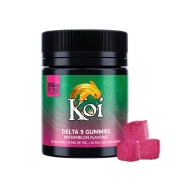
- Will my favorite delta-8 gummies still be legal after late 2026?
- A
- Most likely not-if they exceed 0.4 mg total THC per container or contain synthesized cannabinoids, they will fall outside the new hemp definition and be federally illegal.
- Q
- Can I still buy CBD products that contain trace THC?
- A
- Yes-products with natural trace THC under the 0.4 mg limit and no synthetic cannabinoids remain compliant. Look for lab-tested, clearly labeled options.
- Q
- Will this federal change affect state-legal cannabis dispensaries?
- A
- No-state-legal cannabis markets operate under different laws and are not impacted by the federal hemp definition change.
- Q
- Should I stock up now on hemp-derived THC products?
- A
- Stock-up may be risky-supply could dry up, but legality may shift. Instead, explore compliant alternatives and diversify your options.
As the ban deadline approaches, the hemp-derived THC market faces an uncertain future. Consumers and brands alike must adapt-relying on transparency, compliance, and innovation to navigate the shifting regulatory terrain.
Shop What You Just Read About
Every product is COA-verified and blockchain-anchored on Chow420.