




Alabama's First Medical Cannabis Dispensary Nears Patient Launch - What Hemp-Derived CBD/THC Shoppers Should Watch
Alabama's Medical Cannabis Debut: A Turning Point for Hemp-Derived CBD/THC Shoppers
The long-delayed Alabama medical cannabis program is finally on the brink of reality. Callie's Apothecary in Montgomery is mere days away from opening its doors to patients-marking the first legal medical marijuana sales in the state since prohibition nearly a century ago. This development signals meaningful shifts for hemp-derived CBD/THC consumers and the broader supply chain.
Disclaimer: This article is for informational purposes only and does not constitute medical or legal advice.
How Alabama's Licensed Model Alters the Hemp-Derived Access Landscape
Alabama's program is structured around vertically integrated licenses-operators who cultivate, process, and dispense under one roof. This approach limits supply-chain fragmentation but creates a tightly controlled environment with only a handful of players authorized to operate multiple storefronts across the state. That makes market entry much harder for hemp-derived CBD/THC sellers compared to states with looser frameworks.
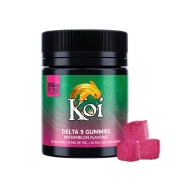
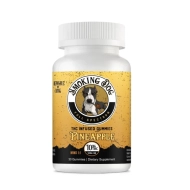
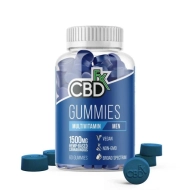
Since these licensed dispensaries will offer only state-tested, non-smokable forms-such as tinctures, gummies, patches, and oils-the traditional hemp-derived products like delta-8 THC vapes or smokable flower remain in a legal gray zone. Consumers seeking those products may continue relying on unregulated sources or out-of-state online vendors, increasing both legal risk and product uncertainty.
Patient Access vs. Hemp Shopper Behavior: A Regulatory and Behavioral Crossroads
To purchase medical cannabis in Alabama, patients must register, obtain a physician's certification, and present a state-issued medical cannabis card. The program currently limits most patients to 50 mg per day unless they qualify for exceptions. That sets up a scenario where medically eligible individuals may migrate from general hemp-derived products to regulated medical options-but only if they navigate the bureaucratic process.
Conversely, hemp-derived CBD/THC shoppers without medical needs or those deterred by the process may stick to over-the-counter options. That bifurcation may further entrench unregulated markets, especially in areas where traditional hemp products remain accessible.
Supply Constraints and Price Dynamics: Pricing Implications for Hemp-Derived Products
With only a limited number of dispensaries cleared to open-Callie's Apothecary in Montgomery being the first-product supply will likely be tight early on. Testing, seed-to-sale tracking, and security requirements add complexity and cost, which may translate into higher prices for patients.
That dynamic could make hemp-derived CBD/THC products more attractive price-wise, especially for consumers seeking lower-cost alternatives. But the lack of regulatory oversight raises concerns about safety, dosage accuracy, and consistency-factors that licensed medical dispensaries are legally required to address.
Brand Strategy Implications: Regional Operators vs. National Hemp Brands
No multi-state medical cannabis operators secured Alabama licenses, leaving the market to regional and Alabama-based entities. That contrasts sharply with the hemp-derived CBD/THC space, where national brands dominate online and retail shelves. The divergence creates a strategic opportunity for those regional medical cannabis brands to capture patient loyalty by offering reliable, state-compliant products.
Meanwhile, hemp-CBD/THC brands might need to adapt messaging-either emphasizing compliance and transparency or differentiating on convenience, price, or alternative delivery forms not yet available in medical dispensaries.
Internal Links to Explore
- Explore our Shop Hemp Wellness Products | Buy Online | Chow420 for a wide selection of tinctures, gummies, and more.
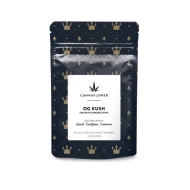
- Looking for THCA flower? Browse our Shop THCA Flower collection.
- Check out the Koi THCA Pre-Roll, Diamond-Infused Strawberry Cough (Sativa) - 1 g, 5-pack for premium options.
- Or try the nama Nighttime Microdosed THC Gummies with Chamomile for a gentle, hybrid blend.
- Need data on hemp brands and retailers? Visit our ChowIndex: Hemp Product Directory and ChowIndex: Hemp Businesses Directory.
Frequently Asked Questions
- Q
- Will Alabama's medical cannabis dispensaries sell hemp-derived CBD or delta-8 products?
- A
- No. The dispensaries are limited to state-tested, non-smokable medical cannabis forms like gummies, tinctures, patches, and oils. Hemp-derived delta-8 or smokable products are not part of the medical program.
- Q
- Can hemp-derived shoppers use medical dispensaries if they don't have a qualifying condition?
- A
- No. Only patients with a certified qualifying condition, a physician's recommendation, and a state medical cannabis card can purchase from the dispensaries.
- Q
- Could price differences push consumers toward hemp-derived products?
- A
- Yes. Early supply constraints and compliance costs may make medical cannabis more expensive, potentially driving price-sensitive shoppers toward cheaper, unregulated hemp-derived options.
- Q
- How might this affect national hemp brands?
- A
- National hemp brands may need to emphasize convenience, variety, and competitive pricing, while regional medical operators may lean on compliance and patient trust to build brand equity.
Alabama's first medical cannabis dispensary opening is more than a program milestone-it's a structural shift that will impact how hemp-derived CBD/THC products are perceived, regulated, and consumed. As the state program evolves, both patients and hemp shoppers will need to navigate a changing landscape where access, safety, and legitimacy increasingly intersect.
Looking ahead, keep an eye on patient enrollment trends, qualifying condition expansions, and price comparisons. These factors will shape the next chapter of hemp-derived shopping in Alabama and beyond.
Shop What You Just Read About
Every product is COA-verified and blockchain-anchored on Chow420.