




Delaware's Hemp-THC Rulebook: A New Retail Frontier for Intoxicating Products
Delaware's Hemp-THC Rulebook: A New Retail Frontier for Intoxicating Products
A wave of legislation in Dover is poised to rewrite how hemp-derived THC products are tested, sold, and regulated in Delaware. Competing bills propose either folding intoxicating hemp items into the marijuana system, or carving out a new regulated retail path-with implications for safety, supply chains, and how shoppers find their products.
Disclaimer: This article is for informational purposes only and does not constitute legal or medical advice.
How Delaware's Hemp-THC Debate Is Redrawing Retail Boundaries
At the center of the debate is House Bill 395, which would require intoxicating hemp-derived products-defined by total THC content exceeding 0.4 mg per container-to be sold exclusively through licensed marijuana outlets. This would align state law with an emerging federal standard and tighten age-verification and testing controls. But small businesses warn it would immediately shutter existing hemp retailers operating openly today.
By contrast, House Bill 401 and companion Senate Bill 298 envision a new regulated channel for hemp-THC. HB 401 would allow current hemp retailers to apply for special licenses, sell low-dose THC products (up to 10 mg), require lab testing, warnings, packaging rules, and impose a 6 percent excise tax-lower than marijuana's 15 percent. SB 298 adds clarity on distinguishing hemp from marijuana, and aims to protect hemp retailers from criminal penalties for otherwise legal products.
Regulatory Ripples: Testing, Tax, and Retail Strategy
HB 401 mandates accredited lab testing-think chromatography and certificate of analysis-to verify THC potency and contaminants. Retailers must comply with age checks, display restrictions, and packaging that avoids appealing to minors. A 6 percent tax is designed to generate revenue without stifling market access.
Meanwhile, HB 395 would eliminate retail choice for hemp shops by requiring their intoxicating inventory to shift into the marijuana system-despite that system still ramping up operations. Marijuana Commissioner support for HB 395 stems from concerns that unregulated hemp products undercut the regulated adult-use rollout.
Marketplace Impact: Business Survival vs. Consumer Safety
- For hemp retailers, HB 401 offers a lifeline-rewarding early adopters with a clear path to compliance and legitimacy.
- For marijuana operators, HB 395 promises to streamline competition-but risks alienating hemp entrepreneurs who helped build product awareness.
- For consumers, either bill raises safety-but HB 401 may preserve access points, while HB 395 could force a temporary vacuum if marijuana outlets can't meet demand.
Statewide Patchwork: THC Isomers and Legal Clarity
Law enforcement and regulators point to delta-8, delta-10, THCA, HHC, and other isomers as loopholes in current law. SB 298 seeks to close those by clarifying which compounds fall under hemp vs. controlled substances. Still, enforcement questions remain-can regulators inspect, seize, or enforce against retailers if definitions are unsettled?
Where Does This Leave You? A Shopper's Map to Hemp-THC Access
If HB 395 passes, expect hemp-derived THC products to vanish from gas stations and smoke shops, reappearing only in marijuana dispensaries. Under HB 401, existing hemp stores could continue-but you'll see clearer labels, lab-tested claims, and a modest excise tax. In both scenarios, safety and oversight would rise-but access and retail convenience will hinge on which path wins.
- Q
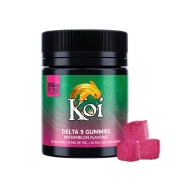
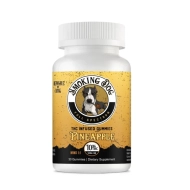
- Will my local hemp shop still sell gummies with THC if HB 401 passes?
- A
- Yes-if they secure the new hemp-THC license, they could continue selling low-dose THC products under testing and packaging rules.
- Q
- Could THC-infused beverages be sold under these bills?
- A
- No-HB 401 explicitly excludes drinks from the hemp-THC licensing path, so those would likely fall under separate regulation.
- Q
- If HB 395 passes, will marijuana dispensaries be ready to stock hemp-THC items?
- A
- Not immediately-many dispensaries are still opening and may lack capacity to absorb hemp product demand right away.
- Q
- How will the THC tax differ between hemp and marijuana under HB 401?
- A
- Hemp-THC products would carry a 6 percent excise tax, compared to 15 percent for marijuana sales-making hemp potentially more affordable.
As Delaware's legislature inches toward a decision, the outcome will reshape how hemp-derived THC products flow through the state-impacting retailers, regulators, and shoppers alike. Whether the state opts for integration into the marijuana system or a standalone hemp-THC framework, one thing is clear: the rules of engagement for intoxicating hemp in Delaware are being rewritten, and the retail map is being redrawn.
Looking ahead, Delaware's choice will serve as a model for other states wrestling with the hemp-THC grey zone-balancing consumer access, public safety, and market fairness in a fast-evolving cannabis landscape.
Shop What You Just Read About
Every product is COA-verified and blockchain-anchored on Chow420.