




South Carolina's Hemp THC Crackdown: What CBD/THC Shoppers Must Know
South Carolina's Hemp THC Crackdown: What CBD/THC Shoppers Must Know
A heated showdown in South Carolina's Statehouse is putting intoxicating hemp-derived products-like THC gummies and beverages-under the microscope, and shoppers are feeling the ripple effects. As lawmakers grapple with how to regulate access, the outcome will redefine retail strategy, supply chains, and consumer confidence.
Disclaimer: This article is for informational purposes only and does not constitute medical or legal advice.
Regulatory Turning Point: From Gray Zone to Liquor-style Oversight
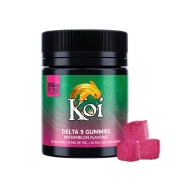
Hemp-derived products containing psychoactive THC currently operate in a legal gray area in South Carolina. Products like delta-8 or low-dose delta-9 gummies are sold widely, yet lack clear regulation-raising concerns over youth access and enforcement inconsistency. That ambiguity is now under fire as lawmakers push to bring structure to the market.
Senators have proposed a framework that treats hemp beverages akin to alcohol: 12-ounce drinks with up to 5 mg THC available in grocery and convenience stores; stronger 10 mg versions relegated to liquor stores, with strict age limits of 21+. Gummies and other consumables face potential bans or tighter restrictions. These proposals aim to close loopholes and improve public safety while preserving some adult access.
Impact on Retailers: Strategic Shifts Ahead
Retailers face a pivotal moment. Convenience stores and gas stations that currently stock hemp-THC drinks may lose access to popular SKUs if stronger products are confined to liquor stores. That could open the door for liquor retail chains to capture new revenue, while smaller hemp wellness shops must adapt by focusing on non-intoxicating CBD offerings or redirecting demand to compliant products.
Supply chains will need to pivot quickly. Manufacturers may reformulate to stay under new thresholds, or shift to CBD-only lines to avoid licensing burdens. Meanwhile, logistics and shelf placement strategies must align with any three-tier alcohol-style distribution system, introducing a fresh layer of complexity.
Consumer Behavior: From Browsing to Compliance
Shoppers will need to get savvy. If access to intoxicating products becomes restricted to liquor stores, consumers will have to adjust their buying habits-shopping in different locations, verifying age, and navigating new labels and packaging rules. Those who rely on hemp for medical relief, such as seizure control or PTSD support, may face new hurdles in finding effective products.
That risk is real: families have already voiced concern that sweeping bans or overly narrow restrictions could cut off essential access for medical users. The debate now balances public safety against preserving therapeutic availability.
Brand Strategy: Reformulation, Messaging, Licensing
Brands must read the room-and the law. With THC limits, age gating, and possible licensing requirements looming, companies should consider reformulating products to comply while still delivering value. Clear messaging on potency, effects, and legal status will be crucial to maintain trust.
Licensing may soon be required for manufacturers and sellers of hemp-THC consumables. Brands that anticipate this shift and invest early in compliance infrastructure may emerge as trusted leaders in the regulated market. Others risk being shut out entirely.
Legal Patchwork: When Federal Caps Meet State Controls
South Carolina's moves come as federal policy tightens. A looming November 2026 farm-bill update will redefine hemp to include total THC-including delta-8 and other isomers-and impose a strict cap of 0.4 mg THC per container. That change could outlaw most intoxicating products nationwide unless Congress acts or states carve out exceptions.
In this context, South Carolina's regulatory efforts aren't just state-level housekeeping-they may serve as a model (or cautionary tale) for navigating an impending federal crackdown. Retailers, brands, and consumers must track both levels to stay ahead.
Where To Shop Safely Now
- For non-intoxicating options, explore Shop Hemp Wellness Products | Buy Online | Chow420 for a wide selection of CBD-focused wellness items.
- Looking for convenient in-store pickup? Visit Chow420 Smart Dispensary - Pasadena, CA 91106 or Chow420 Smart Dispensary - Pearland, TX 77584 for local offerings.
- Compare product rankings and trusted brands via our ChowIndex: Brand & Product Rankings and explore retailers across the region with ChowIndex: Hemp Businesses in South Carolina.
FAQ
- Q What happens if the bill passes and I still want intox hemp beverages?
- A You may be limited to purchasing low-dose drinks in grocery stores or higher-dose versions only in liquor stores, subject to age verification.
- Q Will CBD-only products remain unaffected?
- A Yes, current proposals keep CBD products legal under existing rules, though labeling and marketing may face new oversight.
- Q How can families who use hemp-THC medically cope with these changes?
- A They may need to switch to compliant formulations or work with providers to find legal alternatives that meet therapeutic needs.
- Q Are there risks of federal THC caps making South Carolina's rules obsolete?
- A Potentially. A federal cap of 0.4 mg THC per container could override state allowances, making many products illegal unless federal relief arrives.
- Q Should brands start applying for licenses now?
- A It's prudent. Licensing requirements may roll out soon, and early compliance could offer a competitive edge.
South Carolina's hemp-THC debate is far from settled, but its direction is clear: the era of unregulated access is ending. As the policy landscape shifts, shoppers, retailers, and brands alike must adapt-fast, informed, and strategically.
Shop What You Just Read About
Every product is COA-verified and blockchain-anchored on Chow420.