




Trump's November 2026 Hemp Redefinition Sparks CBD Industry Alarm
Trump's November 2026 Hemp Redefinition Sparks CBD Industry Alarm
A quiet legislative change signed in November 2025 is now looming as a deadline for the hemp-derived CBD and THC market-by November 12, 2026, a sweeping redefinition of "hemp" will render most full-spectrum CBD products federally unlawful. As brands scramble to revise formulations and Congress debates carve-outs, shoppers face an uncertain future for their favorite wellness items.
Disclaimer: This article is for informational purposes only and does not constitute medical or legal advice.
How the New Definition Alters Hemp-Derived Product Legality
Section 781 of the 2026 appropriations law, enacted in November 2025, replaces the familiar delta-9 THC threshold with a "total THC" standard capped at 0.3% by dry weight. On top of that, any final hemp-derived cannabinoid product must contain no more than 0.4 milligrams of total THC per container. That dual restriction is projected to eliminate roughly 95% of current full-spectrum CBD products by the deadline. This change is shaking up product development, supply chains, and risk exposure across the industry.
Regulatory Fallout and Legislative Maneuvers
The White House has signaled a desire to preserve access to non-intoxicating CBD even while supporting enforcement against intoxicating hemp derivatives like delta-8. The 2026 National Drug Control Strategy frames such intoxicating products as enforcement targets, while the president has publicly urged Congress to amend the law to spare CBD products. But so far, the House-passed Farm Bill retains the restrictive language intact, and Senate negotiations are heating up.
Market Disruption and Brand Strategy Pressures
With the November 2026 deadline less than six months away, manufacturers face urgent choices: reformulate to meet the new cap, shift to zero-THC isolates, or risk being shut out of the federal market. The law's ambiguous language around "synthetic" or "THC-like" cannabinoids threatens innovation in new product types. Meanwhile, retailers and insurers are recalibrating their exposure, and capital investors are delaying funding until clarity emerges.
Consumer Access and Shopper Behavior Shifts
Full-spectrum CBD shoppers may soon find their favorite oils, gummies, and topicals vanish from shelves. Some may pivot to zero-THC alternatives or state-legal cannabis markets, while others may turn to unregulated or black-market options. The public sentiment among CBD users is rising pressure on legislators to act-especially given the economic footprint of hemp farming and product sales.
How to Navigate in This Transition
- Explore zero-THC isolate options available via Shop Hemp Wellness Products | Buy Online | Chow420 to maintain legal access.
- Compare product formulations and COAs on ChowIndex: Brand & Product Rankings to identify compliant, transparent brands.
- Stay informed on evolving state rules through our Hemp State Laws (State-by-State) guide.
- Visit local smart dispensaries, such as Chow420 Smart Dispensary - Santa Monica, CA | Fast Delivery, for in-person advice on compliant products.
FAQ
- Q
- Will zero-THC CBD products remain legal after November 12, 2026?
- A
- Yes-products with no detectable THC are likely to comply with the new definition, though they may still face regulatory scrutiny depending on FDA enforcement and labeling rules.
- Q
- Can state-legal cannabis markets fill the gap left by banned hemp products?
- A
- Possibly. In states with recreational or medical cannabis programs, consumers may find alternative full-spectrum options through licensed cannabis channels, even if hemp-derived versions disappear.
- Q
- What happens if Congress does not amend the law before November?
- A
- If no legislative fix occurs, most full-spectrum hemp products will become federally illegal and could be classified as Schedule I substances under the Controlled Substances Act.
- Q
- Are there still CBD products that comply with the new limits?
- A
- Yes-products formulated with minimal or no THC, such as broad-spectrum or isolate formulations, may still meet the container-level cap and remain legal.
As November 12, 2026 approaches, the hemp-derived CBD industry stands at a crossroads. Will Congress deliver a carve-out for full-spectrum CBD, or will the redefinition usher in a new era of zero-THC dominance? Brands, retailers, and shoppers will all be watching the Senate closely for the next twist in this high-stakes regulatory saga.
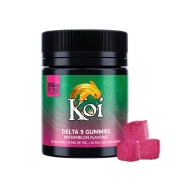
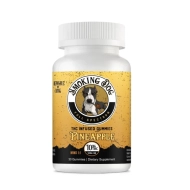
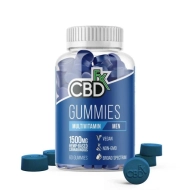
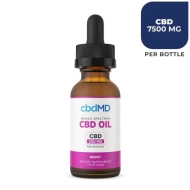
Shop What You Just Read About
Every product is COA-verified and blockchain-anchored on Chow420.