




Federal Redefinition of Hemp Poised to Upend Intoxicating CBD/THC Market
Federal Redefinition of Hemp Poised to Upend Intoxicating CBD/THC Market
As the clock ticks toward November 12, 2026, a seismic regulatory shift is looming over the intoxicating hemp product category. Lawmakers have redefined "hemp" to impose a strict total THC cap per container and ban synthesized or converted cannabinoids-threatening the very foundation of the current CBD/THC product ecosystem.
Disclaimer: This article is for informational purposes only. It does not constitute legal or medical advice.
What the New Regulation Means for Hemp-Derived CBD/THC Shoppers
Under the newly enacted federal framework, hemp is redefined using a "total THC" threshold rather than just delta-9 THC content. This means all THC isomers-including THCA, delta-8, delta-10, HHC-and synthetic analogues now count toward the limit. Any product exceeding 0.4 milligrams of total THC per package will be federally illegal. Moreover, cannabinoids manufactured outside the plant or marketed as having effects similar to THC are explicitly banned. This effectively removes the legal status of most intoxicating hemp offerings.([akerman.com](https://www.akerman.com/en/perspectives/congress-enacts-sweeping-recriminalization-of-hemp-derived-thc-products-in-federal-spending-bill-ending-government-shutdown.html))
Why This Redefinition Marks a Compliance Cliff for Consumers and Retailers
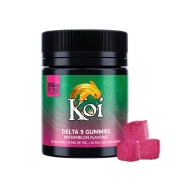
The shift dismantles the so-called "hemp loophole" created by the 2018 Farm Bill, which allowed intoxicating cannabinoids to proliferate under delta-9 THC limits. Now, products like THCA flower, delta-8 gummies, and HHC beverages-once commonplace in convenience stores and online-will fall outside federal legality. The result is a looming compliance cliff: retailers will need to reevaluate inventory, consumers may lose access to familiar products, and the supply chain could face abrupt disruption.([budpedia.com](https://budpedia.com/articles/2026-farm-bill-hemp-intoxicating-product-ban))
Strategic Shifts in Retail and Product Positioning
For hemp wellness retailers and brands, this is a strategic inflection point. Companies must triage product lines to ensure legal alignment, especially for items that skirt the new THC threshold. Retailers should prioritize transparent testing protocols, update contracts to account for regulatory shifts, and consider pivoting toward non-intoxicating CBD formulations that comply with the new definition. Advocacy efforts are also gaining urgency, with proposals emerging to replace the ban with a regulated framework for intoxicating hemp products.([sheppard.com](https://www.sheppard.com/insights/blogs/cannabis-in-2026-part-ii-hemp-tightening-in-2026-the-compliance-cliff-cbd-carve-out-signals-and-business-risk))
Consumer Behavior: From Convenience to Caution
Consumers who relied on hemp-derived THC alternatives-especially in non-legal cannabis states-now face a narrowing of options. Without regulated access, some may turn to unregulated markets, raising safety and quality concerns. This shift could also drive demand toward state-regulated cannabis markets, where access is maintained under licensure and testing standards.([healthline.com](https://www.healthline.com/health-news/federal-ban-hemp-thc-products-could-limit-cbd-access))
Regulatory Ripple Effects Across Healthcare and Public Policy
The new definition doesn't just impact retail-it also threatens emerging health programs. For example, Medicare and Medicaid pilot programs offering reimbursement for hemp-derived products may be undermined if the products fall outside legal definitions. This could reverse progress toward integrating cannabinoid wellness into public health systems.([theguardian.com](https://www.theguardian.com/us-news/2026/may/17/hemp-ban-medicare-medicaid))
What This Means for Brands and the Future of Hemp Wellness
Brands must adapt quickly. Those specializing in full-spectrum CBD may need to reformulate to eliminate any THC, or shift focus toward broad-spectrum and isolate-based products. Meanwhile, the industry's attention is turning to proposed legislation that would regulate intoxicating hemp rather than ban it outright-potentially offering a lifeline if passed.([convenience.org](https://www.convenience.org/stay-current/news/2026/february/16/1-fight-to-keep-hemp-derived-thc-in-c-stores_gr))
How to Navigate the Transition: Action Steps for Shoppers and Retailers
- Stock up now on favorite hemp-derived THC products before the November 12, 2026 deadline.
- Watch for reformulated products labeled explicitly as compliant with total THC limits.
- Check for updated lab testing and COAs reflecting total THC content and absence of banned cannabinoids.
- Engage with advocacy groups or check for new legislation that may preserve access under regulated frameworks.
Related Topics for Further Reading
- Shop Hemp Wellness Products | Buy Online | Chow420
- Tillmans Tranquils Strawberry Lemonade THC Gummies, 15mg CBD, 15mg THC
- Tillmans Tranquils CBD:THC Gummies for Sleep - Blackberry
- ChowIndex: Hemp Product Directory
- ChowIndex: Brand & Product Rankings
Frequently Asked Questions
- Q
- Why will even trace-THC full-spectrum CBD products become illegal?
- Q
- How can I identify products that meet the new 0.4mg total THC per container limit?
- Q
- Are non-intoxicating CBD isolates still legal after November 2026?
- Q
- Will state-legal cannabis markets absorb demand for banned hemp-derived THC products?
- Q
- Is there a chance that new legislation will reinstate regulated access to intoxicating hemp products?
Looking ahead, the hemp-derived CBD/THC market is at a crossroads. The next months will determine whether reforms emerge to preserve consumer access within a regulated framework-or whether the category will shrink under federal prohibition. Stay informed, check labels, and be ready to pivot.
Shop What You Just Read About
Every product is COA-verified and blockchain-anchored on Chow420.