




Navigating the Evolving Landscape of CBD and THC in Maine: Insights and Guidance
Navigating the Evolving Landscape of CBD and THC in Maine: Insights and Guidance
The cannabis landscape in the United States is continuously evolving, with states like Maine leading the way in both legalization and regulation of hemp-derived products. As the market for CBD and THC expands, understanding the legal framework and shopping options becomes crucial for consumers. This article delves into the current state of CBD and THC in Maine, offering practical guidance for navigating this complex landscape.
The Current Legal Status of CBD and THC in Maine
Maine has been at the forefront of cannabis legalization, having legalized recreational marijuana in 2016. However, recent efforts to repeal this legislation have sparked discussions about the future of cannabis in the state. While a campaign to repeal the legalization law has missed its 2026 deadline, the implications for consumers and retailers remain significant.
Understanding Maine's Hemp Laws
Before diving into shopping options, it’s essential to understand the legal framework surrounding hemp-derived products in Maine. The state has established regulations that govern the cultivation, processing, and sale of hemp and its derivatives, including CBD and THC. Here are some key points:
- Legalization of Hemp: Hemp cultivation is legal in Maine, provided it complies with federal and state regulations.
- CBD Regulations: CBD products must contain less than 0.3% THC to be considered legal under both state and federal law.
- Retail Sales: Licensed retailers can sell hemp-derived CBD and THC products, ensuring compliance with labeling and testing requirements.
Shopping for Hemp-Derived CBD & THC Products in Maine
With a clear understanding of the legal landscape, consumers can confidently explore the variety of hemp-derived products available in Maine. Here are some practical tips for shopping:
1. Know Your Product Types
Hemp-derived products come in various forms, each catering to different preferences and needs. Some popular categories include:
- Hemp-Derived CBD & THC Products
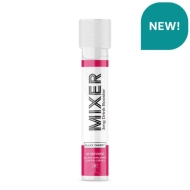
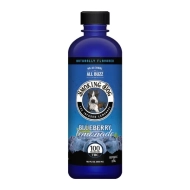
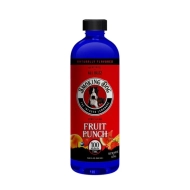
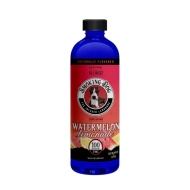
- CBD & THC Drinks for Reduced Stress and Anxiety
- CBD & THC Drinks for Relaxation and Calming
2. Research Brands and Products
Not all products are created equal. When shopping for CBD and THC products, consider the following:
- Look for brands that provide third-party lab testing results to ensure product quality and safety.
- Read customer reviews to gauge the effectiveness and reliability of the products.
- Check for clear labeling that includes cannabinoid content and ingredient lists.
3. Take Advantage of Deals
Many retailers offer promotions and discounts on hemp-derived products. Keep an eye out for:
- Reduced Stress and Anxiety Drinks Deals Today | CBD & THC
- Relaxation and Calming Drinks Deals Today | CBD & THC
Future Trends in Maine's Cannabis Market
As Maine continues to navigate its cannabis policies, several trends are emerging that could impact consumers and retailers alike:
- Increased Product Variety: Expect to see a broader range of products, including innovative formulations and delivery methods.
- Focus on Sustainability: Many brands are prioritizing sustainable practices in cultivation and packaging.
- Education and Transparency: Consumers are becoming more informed, leading to a demand for transparency in sourcing and manufacturing processes.
Frequently Asked Questions
Is CBD legal in Maine?
Yes, CBD is legal in Maine as long as it contains less than 0.3% THC and complies with state regulations.
Where can I buy CBD and THC products in Maine?
You can purchase CBD and THC products from licensed retailers throughout Maine, including dispensaries and specialty shops.
What should I look for when buying CBD products?
Look for third-party lab testing, clear labeling, and reputable brands to ensure product quality and safety.
Conclusion
As the cannabis landscape continues to evolve in Maine, consumers have more options than ever for hemp-derived CBD and THC products. By understanding the legal framework, researching products, and staying informed about market trends, shoppers can make educated decisions that align with their wellness goals.
Related Chow420 Pages
Shop What You Just Read About
Every product is COA-verified and blockchain-anchored on Chow420.