




Missouri's New Hemp Rules and Final Social-Equity Cannabis Lottery: What CBD/THC Shoppers Should Know
Missouri's New Hemp Rules and Final Social-Equity Cannabis Lottery: What CBD/THC Shoppers Should Know
A wave of regulatory change is converging in Missouri, where new limits on hemp-derived intoxicants are set to shift product availability into licensed dispensaries, even as the state prepares for its final lottery of microbusiness cannabis licenses under its social-equity program. For hemp-derived CBD/THC shoppers, these developments signal a pivotal moment in access, retail channels, and market dynamics.
Disclaimer: This article is for informational purposes only and does not constitute medical or legal advice.
How Missouri's Hemp Reform Is Rewriting Retail Norms
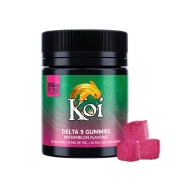
In April 2026, Missouri enacted legislation that channels many intoxicating hemp-derived products-like THC seltzers and high-THC gummies-into the state's regulated cannabis dispensary system. Previously sold through convenience stores or bars, these products must now be sold through licensed marijuana outlets, effectively narrowing unregulated retail paths. This shift also reclassifies certain hemp-derived products as marijuana when they exceed specific potency thresholds, tightening oversight and potentially impacting product availability and pricing for shoppers.
This regulatory pivot not only protects minors by curbing access to appealing intoxicants in unregulated venues but also reshapes the supply chain-moving production and distribution under stricter control, with implications for farms, retailers, and consumers alike.
Final Microbusiness Lottery: A New Chapter for Equity and Access
Meanwhile, Missouri's Division of Cannabis Regulation is gearing up for the final round of its microbusiness cannabis license lottery. This round will award 77 licenses, aiming to fulfill the constitutional mandate of 144 equity-focused licenses. Unlike previous rounds, regulators will now conduct ownership and compliance reviews before licenses are issued, aiming to prevent predatory deals and license revocations that plagued past rounds.
These changes strengthen the integrity of the equity program and may boost the number of locally controlled cannabis businesses entering the market. As more microbusiness facilities open, shoppers may see a broader, more localized cannabis retail presence-possibly blending hemp-derived offerings with licensed marijuana products.
Retail Strategy: Where Will Shoppers Find CBD/THC Products?
Here's how these shifts might play out in your shopping experience:
- Intoxicating hemp-derived products will now largely be found in licensed cannabis dispensaries, reducing impulse buys at convenience stores.
- CBD-dominant, non-intoxicating products that remain below potency thresholds will continue to be available in general retail, provided they meet hemp compliance standards.
- New microbusiness dispensaries may offer curated blends of hemp and cannabis products, potentially creating hybrid shopping destinations.
What This Means for Brands and Farms
For hemp producers and brands, the reform signals a need to adapt. Products now must comply with stricter potency testing and may require distribution through licensed channels-raising compliance costs and potentially limiting reach. Family farms and small producers may face hurdles unless they can partner with licensed dispensaries or pivot to compliant CBD products.
On the cannabis side, microbusiness licensees entering the market could bring fresh competition and innovation. These small businesses may emphasize local sourcing, community ties, and transparent practices-qualities that appeal to discerning CBD/THC shoppers seeking authenticity and equity-aligned brands.
Consumer Behavior: Navigating a Changing Landscape
Shoppers are likely to respond to these changes in several ways:
- Seeking clarity on labeling and potency as product categories blur between hemp and marijuana.
- Shifting loyalty toward dispensaries with diverse hemp-derived choices.
- Exploring microbusiness retailers as alternative sources for novel CBD/THC blends and local options.
Internal Resources to Guide Your Next Purchase
Explore these helpful links for more depth on products, retailers, and rankings:
- Shop Hemp Wellness Products | Buy Online | Chow420 for curated CBD/THC blends.
- Shop Hemp Products for Focus to browse targeted formulations.
- Tillmans Tranquils THC Sleep Gummies for nighttime relief.
- nama Nighttime Microdosed THC Gummies for gentle effects.
- Check ChowIndex: Hemp Product Directory to compare product offerings.
- Visit ChowIndex: Hemp Businesses in Missouri to discover emerging microbusiness retailers.
- Q
- Will all hemp-derived products now require a marijuana license to be sold?
- A: Only intoxicating hemp-derived products that exceed specific THC thresholds must be sold through licensed marijuana dispensaries. Non-intoxicating CBD products that comply with hemp rules remain available in general retail.
- Q
- How might the final microbusiness lottery affect product availability?
- A: New microbusiness licensees may introduce fresh retail locations offering both hemp-derived and cannabis products, expanding access and diversifying offerings.
- Q
- Are family farms at risk under the new hemp rules?
- A: Some may face challenges if their products are reclassified or must move through dispensaries. However, compliant CBD products may still be viable in general retail.
- Q
- Will pricing change for hemp-derived THC products?
- A: Prices may rise due to added licensing and compliance costs, especially as distribution shifts into regulated dispensaries.
- Q
- How can shoppers find compliant hemp products post-reform?
- A: Look for clear labeling, certificates of analysis, and visit licensed dispensaries or trusted online directories for verified products.
As Missouri finalizes its equity lottery and tightens hemp-derived regulations, shoppers stand at the crossroads of a more structured, compliant cannabis ecosystem. The path forward may narrow traditional retail choices, but it also opens doors to locally rooted microbusinesses offering quality, clarity, and consumer-centric innovation.
Shop What You Just Read About
Every product is COA-verified and blockchain-anchored on Chow420.