




Congress Moves to Preserve Hemp-Derived THC Access with New Amendments
GOP Lawmakers Propose Legislative Lifeline for Hemp-Derived THC Products
A trio of Republican representatives have stepped into the spotlight with amendments aimed at preventing the scheduled federal recriminalization of hemp-derived THC products this coming November. Their proposals span from redefining hemp, to delaying the ban, to blocking enforcement funding altogether-moves that could reshape the legal landscape for hemp wellness shoppers.
Disclaimer: This article is informational only and does not constitute medical or legal advice.
Navigating a Looming Federal Crackdown
Last November, a federal funding bill quietly rewrote the definition of hemp under the Agricultural Marketing Act. That change introduced a strict total-THC limit-0.4 mg per container-that will render most existing hemp-derived THC products illegal starting November 12, 2026. It also excludes synthetic cannabinoids from the hemp definition altogether, ending the so-called "Farm Bill loophole."
Here's how three GOP amendments aim to counter that change:
- Lawful Hemp Protection Act (Rep. Andy Barr, R-KY): Seeks to redefine hemp to allow up to 1% delta-9 THC on a dry-weight basis, measured in finished products-not raw material. It also adds age verification, labeling standards, bans look-alike packaging, and calls for state alignment on hemp-impaired driving enforcement.
- Rep. Russell Fry (R-SC): Proposes a two-year delay to the November cutoff by revising the agricultural spending bill's language from "365 days" to "three years."
- Rep. James Comer (R-KY): Attempts to defund enforcement of the new hemp restrictions by prohibiting use of federal dollars to implement that section of the appropriations law.
Why These Amendments Matter for Hemp-Wellness Shoppers
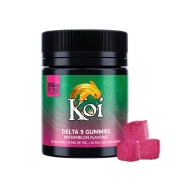
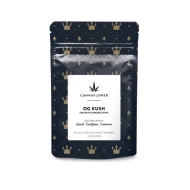
These legislative moves reflect a growing recognition that hemp-derived THC products-especially full-spectrum CBD, delta-8 gummies, and THCa flower-have become staples for wellness consumers, veterans, and seniors. A sudden federal ban risks shutting down a robust industry and pushing shoppers toward unregulated black-market alternatives without age verification or quality controls.
If any of these amendments succeed, they could preserve legal access to a wide range of hemp-derived products for at least a few more years. Shoppers may continue to find offerings like nama gummies or mushroom-enhanced blends at trusted outlets like Shop Hemp Wellness Products | Buy Online | Chow420, while brands listed in the ChowIndex: Hemp Product Directory could maintain shelf presence. Meanwhile, product pages such as nama Anytime Microdose - 20-Count and nama Clarity Mushroom Gummies may remain available longer than previously expected.
Supply Chain Ripples and Market Confidence
For retailers and brands, the uncertainty surrounding November's enforcement deadline complicates inventory planning, compliance testing, and marketing strategy. A delay would buy time to adjust product formulations to meet stricter total-THC thresholds, or to pivot toward compliant alternatives. Conversely, a failure to pass these amendments could force a rapid transition-forcing some businesses to shutter or shift entirely to state-legal cannabis markets.
State-Federal Patchwork: Why It's Getting Harder to Navigate
The new federal definition threatens to override state-level frameworks that allow hemp-derived THC products. States with permissive rules may see their markets evaporate unless Congress intervenes. That makes internal resources like Hemp State Laws (State-by-State) and Is CBD Legal? (State-by-State) even more essential for shoppers tracking local availability and compliance.
Q&A: What You Might Be Asking Next
- Q
- What happens if none of these amendments pass?
- A
- If the federal ban takes effect in November, most hemp-derived THC products will become illegal nationally, even in states where hemp was previously allowed. Consumers may lose access to many wellness formulations.
- Q
- Could these amendments allow synthetic cannabinoids back into the market?
- A
- No. Even the most permissive proposal-Barr's-explicitly excludes synthetic or lab-converted cannabinoids from the hemp definition.
- Q
- How would age-verification requirements impact online hemp shopping?
- A
- Retailers would need to implement robust verification-virtually or in-person-to ensure buyers are 21+. This could slow checkout or require new vendor systems.
- Q
- Will full-spectrum CBD products still be legal under Barr's proposal?
- A
- Yes-if delta-9 THC remains under 1% dry weight and total-THC per container stays within allowable limits, full-spectrum products could remain legal under the revised definition.
- Q
- What's the timeline for these amendments?
- A
- The House Rules Committee is expected to decide within days which amendments will advance to a floor vote on H.R. 8646-the agriculture appropriations bill.
Looking Ahead: What Hemp-Wellness Shoppers Should Watch
The coming weeks are critical. If any amendment passes, it could safeguard access to popular hemp-derived products into 2028. But if all fail, shoppers may need to pivot to state-legal dispensaries or reformulated products quickly. Stay informed via resources like ChowIndex: Brand & Product Rankings to track which brands adapt fastest-and which may drop off the map.
The fate of hemp-derived THC access now hinges on whether Congress chooses regulation over recriminalization-and whether the industry can hold its ground until then.
Shop What You Just Read About
Every product is COA-verified and blockchain-anchored on Chow420.