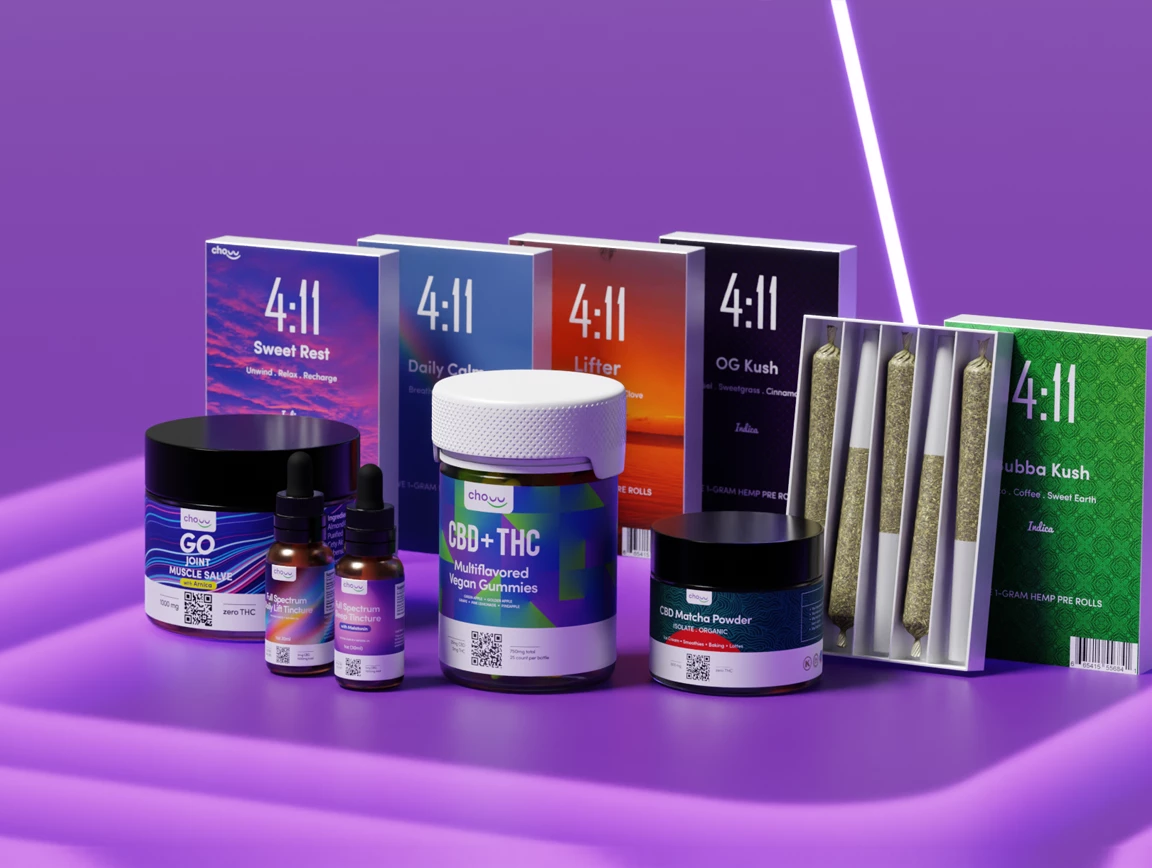
Summer Bundle BLAST · World Cup Sale · UP TO 60% OFF Summer BLAST · UP TO 60% OFF Stock the cooler · gift the crew · matchday-ready savings Shop Bundles →
Go back
Refer
$20
Refer
Get $20 in Chowcash when you refer friends, stores, and brands to Chow420. Your friends also get $20 towards their first purchase when they accept your invitation.
Login to Refer

<p>Learn more about wellness products on Vliso</p>

blog

Virginia's Cannabis Retail Veto: A Lifeline for Hemp-Derived CBD/THC Sellers

Virginia's Cannabis Retail Veto: A Lifeline for Hemp-Derived CBD/THC Sellers The decision by Governor Spanberger to veto the legislation establishing Virginia's first regulated retail cannabis market has unexpectedly extended a lifeline to hemp-derived CBD/THC businesses. While recreational cannabis remains legal to possess and grow, the absence of a retail framework keeps hemp-derived products at the forefront of consumer access-and opens a rare window for industry stakeholders to influence the next chapter. Disclaimer: This article is for informational purposes only and does not constitute medical or legal advice. Regulatory Delay Creates Strategic Space for Hemp-Derived Sellers By vetoing House Bill 642 and Senate Bill 542 on May 19, 2026, Governor Spanberger postponed the launch of legal adult-use cannabis sales-despite broad legislative support and a Democratic trifecta. The veto underscores concerns about implementation readiness, regulatory structure, and enforcement capacity. For hemp-derived CBD/THC retailers, this delay buys critical time. Without a legal recreational cannabis market launching in 2027, hemp products remain one of the few widely available sources of psychoactive cannabinoids. That continued access helps preserve revenue streams for small operators and avoids a sudden policy shift that could disrupt existing business models. Industry groups including the Cannabis Small Business Association and the U.S. Hemp Roundtable welcomed the veto as an opportunity to push for more inclusive regulations-especially those that do not marginalize hemp-derived offerings in favor of well-capitalized cannabis companies. Market Dynamics: From Gifting Gray Zone to Structured Opportunity With no retail cannabis shops, Virginia's market remains dominated by "gifting" storefronts-informal operations that skirt legal boundaries by selling trivial items and "gifting" cannabis. This gray market is estimated at $2.4 billion annually, and the veto prolongs this informal status quo. Hemp-derived sellers can capitalize on this dynamic by positioning themselves as the safer, more transparent alternative-especially if they advocate for regulatory frameworks that integrate hemp products without penalizing them under new THC thresholds. Policy Influence: Hemp Industry Gains Leverage The veto amplifies the voice of hemp industry advocates. In urging the governor to veto, groups argued that the bills would have imposed sweeping restrictions on hemp products-potentially limiting THC per package and disadvantaging small businesses. The delay allows these stakeholders to lobby for revisions that preserve hemp-derived formulations and supply chains. As the next legislative session approaches in 2027, hemp businesses have a stronger platform to push for balanced rules that acknowledge the existing hemp market infrastructure and consumer demand. Consumer Behavior: Continued Reliance on Hemp-Derived Options Consumers seeking psychoactive relief will likely continue turning to hemp-derived CBD/THC products in the absence of legal cannabis retail. That sustained demand reinforces the relevance of hemp sellers in the cannabis-adjacent ecosystem. Retailers should emphasize product safety, lab testing, and transparent labeling-capitalizing on consumer trust and differentiating themselves from unregulated gifting operations. Brand Strategy: Positioning for Transition and Resilience Brands in the hemp-derived space now face a strategic inflection point. They must balance immediate market stability with preparation for eventual cannabis retail competition. That means maintaining consumer loyalty through quality assurance while engaging with policymakers to ensure hemp products remain viable under evolving THC caps and licensing regimes. Forward-looking brands might invest in compliance infrastructure (e.g., COAs, testing labs) to strengthen their legitimacy and readiness for a regulated marketplace. Retail Implications: Anchoring Hemp in the Future Landscape Physical dispensaries remain absent, but hemp retailers-both brick-and-mortar and online-can reinforce their presence. Internal links like Shop Hemp Wellness Products | Buy Online | Chow420 provide visibility and access for shoppers seeking hemp-derived options today. Retailers may also highlight specific product offerings such as Tillmans Tranquils Relax Gummies Mango or Tillmans Tranquils Euphoria Gummies, reinforcing variety and compliance. Linking to the ChowIndex: Hemp Product Directory and ChowIndex: Hemp Businesses in Virginia helps customers explore trusted products and vendors. Key Action Points for Hemp-Derived Sellers Maintain market visibility through Shop Hemp Wellness Products | Buy Online | Chow420 and product detail pages. Invest in lab testing and compliance to reinforce trust. Engage with policymakers ahead of 2027 to advocate for inclusive regulation. Educate consumers on safe hemp-derived options versus gray-market alternatives. Monitor legislative developments and adapt brand strategy accordingly. QHow does this veto affect hemp-derived product compliance? QCan hemp sellers influence THC limits in future legislation? QWill consumer demand shift once legal cannabis retail opens? QHow should hemp brands prepare for potential licensing regimes? QWhat messaging reassures shoppers during this regulatory limbo? Looking ahead, the veto has turned a setback into a strategic pause. Hemp-derived CBD/THC businesses now have the rare advantage of time-to strengthen operations, shape policy, and secure their place in Virginia's future cannabis ecosystem. The choices made during this interlude will determine who thrives when retail finally arrives....

blog

Americans' Legalization Surge and What It Means for Hemp-Derived CBD/THC Shoppers

Americans' Legalization Surge and What It Means for Hemp-Derived CBD/THC Shoppers Even without a traditional newsy intro, here's what matters: a newly released Pew survey shows 55% of U.S. adults now favor legalizing marijuana for both medical and recreational use, while another 33% support medical use only-leaving only about 11% opposed to legalization entirely. That level of public support is reshaping how hemp-derived CBD and THC products flow through consumer channels, supply chains, and retail strategies. Disclaimer: This article is for informational purposes only and does not constitute medical or legal advice. Legalization Momentum Meets Hemp-Derived Product Strategy The Pew poll, conducted in late January 2026, marks a watershed: a majority of Americans now support full legalization. Younger adults are especially supportive-63% of those aged 18-29 are in favor-while even among Republicans, 44% back both medical and recreational use ([pewresearch.org](https://www.pewresearch.org/short-reads/2026/05/26/facts-about-marijuana/)). This shift in sentiment is having ripple effects on how hemp-derived CBD/THC brands position themselves. For brands and retailers, rising acceptance translates into broader mainstream appeal. Products that were once niche or fringe-like low-dose THC gummies or CBG-CBD blends-are now gaining shelf space in both specialty and general wellness channels. As normalization grows, companies can lean into messaging that emphasizes wellness, relaxation, or recovery, rather than fringe psychoactive experiences. Supply-Chain Ripples from Public Opinion Shifts With consumer demand diversifying, suppliers and manufacturers are retooling. Cultivators are investing in hemp varieties that yield not just CBD, but also minor cannabinoids like CBG or delta-8 THC variants. Meanwhile, processors are upgrading extraction and conversion technologies to meet demand for consistent dosing and novel formats-edibles, beverages, tinctures. These shifts also pressure lab testing infrastructure. As products become more complex, the need for accurate cannabinoid profiles and COAs intensifies. Retailers are forming tighter relationships with compliant labs to avoid mislabeling risks and ensure consumer trust. Retail Strategy: From Gray Market to Mainstream Display As public support climbs, retailers are rethinking where and how they stock hemp-derived products. Once relegated to counter displays or behind glass, THC-adjacent gummies or CBD blends are now moving into health-and-wellness aisles or dedicated hemp endcaps. This reflects both consumer comfort and retailer confidence in regulatory compliance. Brands are also embracing storytelling that aligns with legalization trends-highlighting quality, transparency, and state-of-the-art testing. In some regions, retailers are even training staff to guide shoppers through cannabinoid ratios, effects, and product formats, building a more educational, curated experience. Consumer Behavior: From Experimentation to Informed Choice With social stigma fading, more consumers are entering the hemp-derived market with intent. They research cannabinoid blends, dosing conventions, and delivery formats before buying. This has elevated the importance of product descriptions, lab data, and even peer reviews. As a result, many shoppers are shifting from impulse purchases to considered selections-favoring products that deliver predictable effects, convenience, or targeted wellness benefits. The rising demand for multi-cannabinoid formulations, like CBD-CBG or balanced CBD-THC, reflects a more sophisticated consumer base. State-Level Legal Patchwork and Brand Adaptation Despite growing support, legalization remains uneven across states. Some jurisdictions still restrict THC content, while others impose stringent labeling or testing requirements. Brands must navigate this patchwork carefully-customizing formulations, packaging, and compliance protocols state by state. This complexity pushes brands toward agile manufacturing and modular packaging strategies. Some even pre-label products differently for each state or region, ensuring they meet local THC thresholds and naming rules. That nimbleness becomes a competitive advantage. Looking Ahead: What Hemp-Derived CBD/THC Shoppers Should Watch As public acceptance continues to climb, hemp-derived CBD/THC products are moving into the mainstream. The evolving regulatory environment and consumer expectations demand smarter supply chains, lab testing, and retail presentation. Brands that lean into transparency, product education, and state-specific compliance will be best positioned to capture both new and seasoned shoppers. QHow is rising legalization support changing product expectations among hemp-derived CBD/THC shoppers? AShoppers now expect clear cannabinoid profiles, consistent dosing, and wellness-focused branding-moving away from novelty and toward reliability. QWhat should retailers do differently as public support increases? ARetailers should integrate hemp-derived products into mainstream wellness displays, offer staff education, and emphasize quality and compliance in product presentation. QHow can brands manage state-by-state regulatory differences? ABy adopting flexible manufacturing and packaging strategies tailored to regional THC limits and labeling rules, brands can stay compliant while scaling. QWhat role does lab testing play as legalization sentiment grows? AAccurate lab testing becomes critical for transparency and consumer trust, especially as multi-cannabinoid products and precise dosing become the norm. As the tide of public support continues to rise, hemp-derived CBD/THC products are poised for broader acceptance and more sophisticated market dynamics. For shoppers, that means better-crafted options; for brands and retailers, it demands smarter strategy and deeper trust-building. Explore our curated selections in the Shop Hemp Wellness Products | Buy Online | Chow420, check standout options like Tillmans Tranquils Strawberry Lemonade THC Gummies, and dive into the full landscape with the ChowIndex: Hemp Product Directory. Continue your journey with insights into hemp-derived wellness-right here at Chow420....

blog

Americans' Shifting Views on Marijuana Legalization and What It Means for Hemp-Derived Products

Public Opinion Surges on Marijuana Legalization - What That Means for Hemp-Derived CBD/THC Shoppers A recent national poll reveals an overwhelming majority of Americans now support legalizing marijuana for medical and recreational use - a seismic shift in public sentiment that is poised to reshape the hemp-derived CBD/THC market. As support climbs, retailers, brands, and consumers in the hemp wellness space are navigating a rapidly changing regulatory and competitive landscape. Disclaimer: This article is for informational purposes only and does not constitute medical or legal advice. Public Opinion Tops 80%-A Game-Changer for Reform Momentum The latest Pew Research Center survey, conducted in January 2026, shows that 55% of U.S. adults believe marijuana should be legal for both medical and recreational use, with an additional 33% supporting legalization for medical purposes only - leaving just 11% opposed to legalization in any form. This marks a continuation of a long-term trend toward broader acceptance. Support has remained consistently strong for years, but the current level indicates a near-consensus on cannabis reform. Younger adults and Democrats show especially high levels of support, though majorities across age and political groups now back legalization. Another polling source reports that 68% of Americans now support marijuana legalization overall - a dramatic swing from past decades and one of the most rapid shifts in public policy opinion in modern U.S. history. These numbers underscore a powerful mandate for reform at both state and federal levels, and create a downstream effect on hemp-derived product markets. How Public Sentiment Fuels Market and Regulatory Shifts With such overwhelming public backing, lawmakers and regulators face mounting pressure to align policy with constituent views. Federal rescheduling efforts, proposals to change taxation on hemp-derived THC products, and state-level rulemaking are all gaining traction. The growing consensus also emboldens retailers to expand product offerings and marketing, confident that consumer demand and public support are aligned. For hemp-derived CBD/THC brands, this shift opens new opportunities - especially in regions where regulatory uncertainty once restrained product innovation. Expect to see more investment in compliance, lab testing, and product transparency, as brands position themselves for a future where hemp and cannabis markets converge. Retail Strategy in a Post-Prohibition Landscape As public stigma wanes, mainstream retail channels are increasingly embracing hemp-derived products. Brick-and-mortar shops and e-commerce platforms are broadening their assortments - from high-potency gummies to topicals and tinctures - targeting both wellness users and recreational shoppers. Retailers that adapt quickly to changing consumer expectations and regulatory openings will likely gain market share. Consumers, meanwhile, are becoming more discerning. With normalization comes the demand for quality, consistency, and lab-verified potency. Companies that invest in third-party testing and transparent labeling will build trust in a crowded marketplace. Regulatory Patchwork: States Move Faster Than Federal Reform While federal law still classifies marijuana as a Schedule I substance, the tide of public opinion is pushing states to act. Many have already legalized medical or recreational cannabis, and some are considering reforms specific to hemp-derived THC thresholds or retail frameworks. The patchwork nature of these rules creates both challenges and opportunities for multi-state hemp retailers. Brands and distributors must navigate varying THC limits, licensing requirements, and testing standards. At the same time, this fragmentation allows nimble businesses to pilot new products or regional rollouts before broader federal alignment - capitalizing on early mover advantages. Consumer Behavior Trends: Familiarity Breeds Acceptance Polling shows that people with personal or social experience using marijuana are far more supportive of legalization. Familiarity reduces stigma and increases consumer confidence in hemp-derived products. As cannabis becomes normalized across communities, mainstream wellness shoppers are more open to integrating CBD/THC items into daily routines - boosting demand for edibles, beverages, and lifestyle formulations. What This Means for Hemp Wellness Shoppers Expect broader access to hemp-derived CBD/THC products as regulatory barriers fall. Look for improved product quality, transparency, and lab-verified potency as consumer expectations rise. Prepare for a regional patchwork of rules - stay informed about local THC limits and retail requirements. Consider early access to innovative formats (e.g., gummies, tinctures) as brands test new markets. Explore our curated selection of trusted hemp wellness picks: Shop Hemp Wellness Products | Buy Online | Chow420. Discover standout options like Tillmans Tranquils Relief CBD Gummies and Tillmans Tranquils Green Apple 2:1 CBD:THC Gummies, ideal for both wellness and mild psychoactive use. Check our ChowIndex: Hemp Product Directory for rankings and insights to guide smarter buying decisions. Q How might growing legalization support affect the availability of high-THC hemp edibles? A As public support increases, regulators may ease restrictions on hemp-derived THC levels, allowing broader distribution of higher-potency edibles - but this depends on state-level rule changes. Q Will more retailers carry hemp-derived THC products as public stigma falls? A Yes. As acceptance grows, mainstream retailers are more likely to stock these products - especially those with strong compliance credentials and COA transparency. Q How can shoppers navigate inconsistent THC regulations across states? A Shoppers should check local THC limits and licensing rules, and rely on trusted brands with clear labeling and lab-verified content. Looking ahead, the momentum behind legalization suggests the hemp-derived CBD/THC market is entering a new era - one defined by regulatory clarity, consumer confidence, and product innovation. Retailers and shoppers alike stand to benefit from a landscape where public opinion, policy, and market opportunity finally align....

blog

Federal Redefinition of Hemp Threatens Intoxicating CBD/THC Products by Late 2026

Federal Redefinition of Hemp Threatens Intoxicating CBD/THC Products by Late 2026 A sudden shift in federal law has dramatically narrowed the legal definition of hemp, casting uncertainty over the future of intoxicating hemp-derived CBD/THC products. A new total-THC limit of just 0.4 mg per container-set to take effect on November 12, 2026-means many existing products may become illegal overnight. Disclaimer: This article is for informational purposes only and does not constitute medical or legal advice. How the Total-THC Redefinition Disrupts Product Legality Under the 2018 Farm Bill, hemp was defined solely by delta-9 THC content (? 0.3 % by dry weight), enabling a booming market of hemp-derived intoxicating products like delta-8, delta-10, THCA flower, edibles, and beverages. The new federal law replaces that standard with a total-THC measurement-including delta-9, THCA, and other psychoactive cannabinoids-and imposes a strict 0.4 mg per-container cap. That change effectively eliminates most current intoxicating CBD/THC offerings from the legal market. The law includes a one-year transition window, but after November 12, 2026, many products will fall outside the new hemp definition. Supply-Chain Ripples: From Extractors to Retail Shelves Extractors and processors face immediate pressure: intermediate materials and extracts with elevated THC levels may no longer qualify under the hemp framework. Retailers-including convenience stores and beverage distributors-must reassess inventory, reformulate products, or risk being wiped out. This shift threatens both production and sales channels across the supply chain. Consumer Behavior Under Strain: What Buyers Will Face Consumers accustomed to low-dose THC gummies, seltzers, and tinctures may suddenly find their go-to products vanish. Without reformulation or regulatory relief, shoppers may gravitate toward state-regulated cannabis markets or illicit sources. The abrupt nature of the change could drive confusion and disrupt purchasing habits. Industry Advocacy and Legislative Pushback Industry groups are mobilizing to preserve access. A bipartisan bill aims to delay the ban until November 2028, giving producers and lawmakers time to craft a balanced regulatory framework. Other efforts include proposals for a regulated licensing system to keep intoxicating hemp products accessible under safety and age-verification standards. State-Level Turbulence: Patchwork Responses Unfold States are reacting in varied ways. In Texas, new rules banning smokable hemp-including THCA flower and pre-rolls-are already in effect, and industry groups are preparing legal challenges. In Minnesota, lawmakers are considering delaying in-state testing mandates for low-dose THC seltzers to ease strain on labs and preserve availability until at least mid-2027. Brand Strategy: Reformulate, Rebrand, or Retreat? Brands now must decide whether to reformulate products to comply with the 0.4 mg cap, pivot to non-intoxicating offerings, or exit the hemp-derived THC space. Those who adapt quickly-by lowering THC levels and enhancing compliance-may gain a competitive edge. Others may shift focus to full-spectrum CBD or pursue licensure in state cannabis systems. Chow420 Resources for Shoppers and Sellers Explore Shop Hemp Wellness Products | Buy Online | Chow420 for compliant alternatives. To compare brands and product quality, consult the ChowIndex: Brand & Product Rankings and explore the ChowIndex: Hemp Product Directory. If you are unsure about legal access in your area, check Is CBD Legal? (State-by-State) and review Hemp State Laws (State-by-State). Frequently Asked Questions Q Why must I act before November 12, 2026? The new law becomes enforceable on that date. After then, products over 0.4 mg total THC per container will be illegal under federal law. Q Can synthetic cannabinoids like delta-8 still be sold? No-synthetically derived cannabinoids are explicitly excluded from the hemp definition and will be prohibited. Q Will full-spectrum CBD products be affected? Yes. Even trace THC in CBD tinctures may exceed the per-container cap, potentially rendering them non-compliant. Q Are there bills in Congress to delay or change the ban? Yes. A bipartisan bill proposes delaying implementation until 2028, and other legislation seeks to establish a regulated framework for intoxicating hemp products. Q How can retailers prepare now? Retailers should audit inventory, assess THC levels, plan reformulations, and engage in advocacy to shape future regulation. As November 12, 2026 draws near, the hemp-derived CBD/THC market stands at a crossroads. Brands, retailers, and consumers must adapt-whether through reformulation, regulatory engagement, or strategic pivoting-to navigate the end of the hemp loophole and the dawn of a new compliance era....

blog

Veterans, Ibogaine Research Bottleneck and What It Means for CBD/THC Wellness Shoppers

When Ibogaine Research Stalls, What It Signals For Hemp-Derived CBD/THC Markets Veterans Affairs officials are pushing to expand ibogaine research for PTSD and addiction, but delays in sourcing the compound and navigating safety protocols are slowing progress. This bottleneck may reshape how hemp-derived CBD/THC brands position themselves, how supply chains adapt, and how consumers perceive therapeutic alternatives. Disclaimer: This article is provided for informational purposes only and does not constitute medical or legal advice. Why Ibogaine Sourcing Stalls Matter for Hemp-Derived Product Strategy At a recent congressional hearing, the VA Secretary acknowledged that while MDMA trials are progressing, ibogaine research has hit a snag due to the absence of a reliable federal supply and unresolved FDA sourcing approval. Without a secured pipeline, timelines for clinical studies remain uncertain. These delays matter because CBD/THC brands are increasingly positioning products as supportive adjuncts to emerging therapeutic modalities. If ibogaine research stalls, brands may pivot messaging toward better-established compounds-or emphasize compliance and safety assurances to build consumer trust in the interim. State-Level Funding-A Market Signal in Motion Meanwhile, states like Texas and Ohio are mobilizing substantial public funds-tens of millions of dollars-to support ibogaine clinical trials, often with matching private dollars. These initiatives indicate growing political will at the state level, even as federal sourcing remains uncertain. For hemp-derived CBD/THC businesses, this signals potential shifts in regulatory tone. States investing in psychedelic research may simultaneously advance more flexible frameworks for hemp-derived products. Brands should monitor legislative developments in these states closely. Safety and Science: How Research Hurdles Influence Shopper Expectations Ibogaine's well-documented cardiac risks and the preliminary nature of existing studies mean that regulators and researchers are proceeding cautiously. Scientists emphasize the need for rigorous protocols and monitoring, especially given the drug's Schedule I status and safety profile. In parallel, consumers are becoming more discerning. Hemp-derived wellness shoppers increasingly expect transparency around lab testing, COAs, and safety standards. Brands that demonstrate rigorous compliance may gain a competitive edge as research ecosystems evolve. Retail and Distribution Implications for Hemp-Derived Segments As ibogaine remains inaccessible, retailers may shift shelf space and marketing focus toward CBD or THC products with better regulatory clarity. For instance, hemp-derived THC drinks or gummies might be highlighted as safer interim options-especially in states where psychedelic research is gaining momentum. Retailers and brands can leverage this moment by spotlighting compliant, lab-tested products. Internal links to product pages and wellness collections can guide shoppers toward trusted alternatives: Shop Hemp Wellness Products | Buy Online | Chow420 - explore verified hemp-derived options Check out specific items like Tillmans Tranquils Blueberry Cheesecake Delta 9 THC Syrup or Tillmans Tranquils Cherry Pie THC Chill Gummies for compliant alternatives See what products and brands rank highly in the ChowIndex: Brand & Product Rankings or explore offerings via the ChowIndex: Hemp Product Directory Consumer Behavior: The Ripple Effect of Research Delays When a high-profile therapeutic candidate like ibogaine hits delays, it creates both anxiety and opportunity. Some consumers may double down on hemp-derived CBD/THC as a stopgap, while others may await clarity. Brands that communicate transparently about safety, testing, and legal status can capture shifting demand. Marketing narratives may pivot toward "science-backed wellness" or "clinically tested alternatives," drawing contrast with the still-nascent ibogaine space. FAQ Q How does the delay in ibogaine sourcing affect hemp-derived THC product regulation? A It may shift regulatory attention toward more established hemp-derived products, potentially accelerating clarity on THC thresholds and testing requirements. Q Should I expect new CBD/THC labels referencing therapeutic support for PTSD or mental health? A Brands may cautiously reference general wellness benefits, but direct claims related to PTSD or psychedelic therapy will likely remain restricted without clear approval. Q Will state-funded ibogaine research change where I can buy CBD or THC products? A Possibly. States that back psychedelic research may also explore relaxed hemp-derived product frameworks, affecting retail availability. Q Can I still rely on hemp-derived products for therapeutic use while ibogaine remains unavailable? A Many consumers use hemp-derived CBD/THC for wellness, but it's important to choose products with transparent testing, clear labeling, and reputable sourcing. As ibogaine research resolves sourcing and safety hurdles, federal and state policy may realign-potentially opening new paths for both psychedelic and hemp-derived wellness products. Until then, brands that emphasize compliance, transparency, and science-backed alternatives will likely lead the evolving marketplace. Looking ahead, if ibogaine trials secure reliable supply and safety protocols, we may see a new wave of integrated therapeutic approaches-where hemp-derived supplements complement emerging psychedelic modalities. For now, the ripple effect of this research delay is reshaping shopper expectations, brand strategy, and retail dynamics in the CBD/THC space....

blog

Consumer Advocates Push to Be Heard at DEA's June Cannabis Rescheduling Hearing

Consumer Advocates Push to Be Heard at DEA's June Cannabis Rescheduling Hearing A coalition of adult-use cannabis consumer advocates has formally petitioned to participate in the DEA's upcoming administrative hearing, arguing that the rescheduling debate cannot be complete without consumer voices. Their involvement could carry significant consequences for hemp-derived CBD/THC product access, testing standards, and regulatory clarity. Disclaimer: This article is for informational purposes only and does not constitute medical or legal advice. Why Consumers Want a Seat at the Table in Federal Rescheduling The National Organization for the Reform of Marijuana Laws (NORML) has filed a Notice of Intention to Participate in the DEA's rescheduling hearing set to begin June 29, 2026. They argue that excluding adult-use consumers from the process would render the hearing record incomplete and fail to represent the millions purchasing hemp-derived products outside medical frameworks. While the current federal order moves FDA-approved and state-licensed medical cannabis to Schedule III, most hemp-derived CBD/THC products-especially those sold for adult wellness or recreation-remain in Schedule I. NORML contends that this bifurcated approach ignores the reality of consumers operating legally under state adult-use laws but still treated as offenders under federal rules. How This Hearing Could Reshape Hemp-CBD/THC Access Landscape This hearing is not just symbolic. If consumer advocates like NORML are accepted, they may influence how the DEA weighs evidence on product testing, labeling, and regulatory frameworks tailored to adult-use markets. That could affect how hemp-derived CBD/THC products are treated under federal law, especially regarding safety standards, quality control, and access. The current Schedule III classification applies only to medical cannabis. Hemp-derived products-especially those with low levels of THC-remain in regulatory limbo. Inclusion of consumer testimony may help bridge that gap, potentially paving the way for more consistent federal recognition of state-legal adult-use products. Implications for Industry, Retailers, and Shoppers Retailers dealing in hemp-derived CBD/THC products may gain clearer compliance guidelines if consumer perspectives influence hearing outcomes. Shoppers could benefit from improved product safety and accurate labeling if federal frameworks begin to account for non-medical adult-use demand. Brands may reorient strategy toward transparency and consumer trust, anticipating tighter oversight or new federal standards. How Shoppers Can Stay Ahead During This Transition Track developments from the DEA hearing to anticipate regulatory shifts affecting hemp-derived CBD/THC products. Evaluate brands that prioritize lab testing and transparent COAs-especially those featured in internal resources like ChowIndex: Brand & Product Rankings or ChowIndex: Hemp Businesses Directory. Explore trusted options via Shop Hemp Wellness Products | Buy Online | Chow420 and review specific offerings like Tillmans Tranquils Blue Dream Gummies or Tillmans Tranquils Pumpkin Spice THC Gummies, which may gain new clarity under evolving rules. Questions Raised by This Hearing for Hemp-CBD/THC Consumers QWill adult-use hemp-derived products ever be treated like medical cannabis under federal law? QCould consumer testimony influence DEA standards for testing and labeling of CBD/THC products? QWhat does Schedule III status mean for retail access to hemp-derived products in non-medical contexts? QHow might this hearing affect state dispensary operations featured in internal listings like Chow420 Smart Dispensary - Murrieta, CA or Chow420 Smart Dispensary - Murfreesboro, TN? QCould consumer representation shift the timeline or scope of rescheduling outcomes? As the June 29 hearing approaches, consumer representation may be the missing link in shaping federal cannabis policy that reflects real-world use. For hemp-derived CBD/THC shoppers, this could mark the beginning of a more inclusive and transparent regulatory era. Looking ahead, the inclusion of adult-use voices in the DEA process may open pathways for clearer federal recognition of hemp-derived CBD/THC access-potentially aligning product safety, consumer protection, and legal clarity in ways not seen before....

blog

Delaware's 'Ryan's Law' Opens Hospital Doors to Medical Cannabis for Terminal Patients

Delaware's 'Ryan's Law' Opens Hospital Doors to Medical Cannabis for Terminal Patients A quietly transformative moment has arrived for hemp-derived CBD/THC consumers in Delaware. With the recent enactment of Senate Bill 226-modeled after California's "Ryan's Law"-terminally ill patients holding medical cannabis cards will, for the first time, be permitted to use their non-smokable cannabis products while admitted to licensed acute care hospitals. This marks a significant shift in how medical cannabis is treated within clinical settings. Disclaimer: This article is for informational purposes only and does not constitute medical or legal advice. How the New Law Operates and What It Means for Shoppers The law takes effect one year after signing, placing responsibility firmly on patients or their caregivers to bring, store, and administer cannabis products. Hospitals are not tasked with providing, handling, or dispensing any product. Instead, patients must keep their cannabis in a locked container and notify attending physicians, ensuring transparency in care coordination. Facilities retain full discretion to prohibit use if it could interfere with treatment, pose medical risks, or if federal agencies like DOJ or CMS take action or issue guidance against such use. Liability protections shield compliant patients and institutions from penalties-unless there's gross negligence or intentional misconduct. Why This Matters for Hemp-Derived Product Retailers Though the law targets medical cannabis, its ripple effects reach hemp-derived CBD/THC markets. By normalizing institutional acceptance of cannabinoid products, it signals a broader shift in consumer behavior and brand strategy. Retailers may see increased demand for non-smokable formats compliant with hospital policies-such as tinctures, capsules, and edibles-especially those with clear labeling and locked-container packaging. For brands, aligning with the safeguards outlined in the law-secure packaging, COA transparency, and caregiver-friendly dosing-could become a differentiator. Products featured in internal directories like ChowIndex: Hemp Product Directory will likely gain visibility among consumers seeking medically robust options. Hospital Policy Meets Hemp-THC Retail Evolution Hospitals will now need written policies governing cannabis use, adding a layer of administrative complexity. This creates a new market opportunity for hemp-derived CBD/THC retailers to collaborate with healthcare systems on compliant product lines. Retailers could offer patient-oriented kits or caregiver bundles accessible via links like Shop Hemp Wellness Products | Buy Online | Chow420 or via direct product pages such as nama Anytime Gummie, 10mg CBD per Gummy, 30 Count and Tillmans Tranquils THC Grape Syrup - Indica - 420mg. Moreover, hospitals' need for secure storage and patient-controlled administration aligns with the design of certain products-like softgels or pre-measured drops-that offer both dosing precision and containment. Retailers that highlight these features in their listings can tap into emerging institutional demand. Strategic Insights for Hemp-Derived Brands Prioritize non-smokable formats with clear, tamper-resistant packaging. Ensure products have up-to-date COAs and dosing guidance suitable for caregiver administration. Use internal linking to boost visibility: include links like ChowIndex: Brand & Product Rankings to showcase compliance credentials, and ChowIndex: Hemp Businesses in Delaware for local presence. Leverage product pages such as nama Extra Strength Sleep Drops with Delta-9 THC and CBD as examples of hospital-friendly design. Patient Behavior and Healthcare Integration Terminally ill patients often seek consistency in symptom relief. Traditionally, hospitalization disrupts access to familiar cannabinoid regimens. With this law, patients can maintain continuity, reducing reliance on sedatives or opioids and improving quality of life. This may shift consumer expectations toward products that integrate seamlessly with clinical care. Caregivers, now officially part of the administration chain, may also become key purchasers-seeking products optimized for ease of use in hospital settings. Retailers should consider caregiver-focused messaging and bundles that include storage and dosing tools. Looking Ahead: What Hemp-Wellness Shoppers Should Watch As Delaware implements this law, other states with medical cannabis programs may follow suit. Retailers should monitor state legislative calendars and align product development with emerging hospital-friendly standards. Expect a growing premium on products that offer compliance, clarity, and caregiver usability. QHow will caregiver responsibility change product demand? A caregivers may prefer pre-dosed, easy-to-administer formats with secure packaging. QAre all hemp-derived products now hospital-eligible? A Only non-smokable medical cannabis is covered; hemp-derived products may still face hospital policy restrictions unless clearly compliant. QCould this law expand to include hemp-THC items? A Possibly-if hospitals and regulators observe safe integration, the model could extend to low-THC hemp products. QWill hospitals stock these products? A No-patients/caregivers must supply and administer their own products; hospitals are not involved in distribution. QHow can shoppers verify product compliance? A Look for COAs, clear dosing, secure packaging, and brand transparency-especially those featured in ChowIndex directories. As Delaware pioneers the integration of medical cannabis into hospital care, hemp-derived CBD/THC retail is poised for evolution. Brands and shoppers alike should be ready for a landscape where hospital compatibility becomes a mark of product excellence. In the months ahead, we'll watch how hospitals operationalize these policies, how caregivers adapt, and whether similar reforms emerge elsewhere-potentially redefining the intersection of healthcare and hemp-derived wellness....

blog

How VA's Rescheduling Shift Could Reshape Hemp-Derived CBD/THC Access for Veterans

How a Schedule III Shift Could Unlock New Hemp-Derived CBD/THC Pathways for Veterans When the federal government formally reclassified cannabis to Schedule III in April 2026, it signaled more than a symbolic shift-it set the stage for potential changes in how veterans access and select hemp-derived CBD and THC products. While VA clinicians remain bound by longstanding rules, the ripple effects of rescheduling are already stirring consumer behavior, import pathways, and market dynamics in the hemp wellness space. Disclaimer: This article is for informational purposes only and does not constitute medical or legal advice. Rescheduling and Its Limits: What VA Policies Remain Unchanged Despite the rescheduling of cannabis, VA clinicians are still prohibited from recommending, referring, or completing paperwork for veterans to participate in state-approved medical cannabis programs. The federal directive that bars such actions remains in force, meaning veterans must continue to navigate access independently. This regulatory inertia underscores that rescheduling alone does not dismantle existing VA policy barriers. Quiet Wins: Research Import Pathways Open for Hemp-Derived Products One under-the-radar development is the VA's pending application with the DEA to import GMP-grade THC and CBD extracts for research purposes. If approved, this could catalyze clinical trials targeting PTSD, chronic pain, and other veteran-specific conditions. For the hemp-derived sector, such import permissions may spur parallel supply chain innovations, potentially easing access to high-quality cannabinoid extracts for broader wellness markets. Veteran Behavior: Self-Selection and the Rise of Hemp-THC Preference Studies of veterans who self-medicate indicate a strong preference for high-THC/low-CBD formulations and inhaled delivery methods such as smoking. Many also report using cannabis to treat both physical and mental health symptoms, and even substituting it for prescription medications. This behavioral trend highlights how veterans, when left to navigate the market on their own, gravitate toward products that deliver noticeable effects-often at the expense of CBD-dominant or milder formulations. Supply Chain Implications: Hemp-Derived Products in the Veteran Wellness Market The convergence of rescheduling and research access may prompt brands to refine their hemp-derived product lines. Expect increased investment in GMP-quality hemp-THC extracts, clearer labeling, and dosage consistency to align with emerging clinical standards. Retailers serving veterans may adjust inventory toward products that mirror research formulations-while still respecting existing legal limits on hemp-derived THC content. Brand Strategy: Building Trust Through Research Alignment Brands that proactively align with VA research trends-such as offering products with similar cannabinoid ratios or lab-certified purity-can gain a strategic edge. Messaging that emphasizes quality, transparency, and evidence-inspired formulations may resonate strongly with veteran shoppers, who prioritize reliability and therapeutic clarity. Consumer Behavior Shift: From DIY to Informed Selection As news of import-driven research filters into the hemp wellness ecosystem, veteran consumers may begin seeking products that reflect clinical-grade profiles. This shift could drive demand for third-party tested, hemp-derived CBD/THC blends with documented cannabinoid ratios, especially those that mirror research-grade standards. Integrating Internal Resources for Veteran-Focused Shopping Shop Hemp Wellness Products | Buy Online | Chow420 - explore curated hemp-derived options tailored for informed selection. Compare detailed offerings like Tillmans Tranquils THC Grape Syrup and nama Anytime Gummie 10 mg CBD for different cannabinoid balances. Leverage our ChowIndex: Hemp Product Directory and ChowIndex: Brand & Product Rankings to compare quality, lab testing, and veteran-relevant formulations. FAQ: What Veterans Want to Know After This News Q: Can VA doctors now prescribe hemp-derived CBD or THC? A: No. Despite rescheduling, VA clinicians remain barred from prescribing or recommending cannabis or hemp-derived THC/CBD products. Q: Will the VA cover hemp-derived products through insurance? A: Not at this time. Even for research imports, coverage remains limited to study contexts-not retail or wellness use. Q: Should I look for products that mirror VA research formulations? A: Yes. Products with lab-verified cannabinoid ratios and GMP-like quality may offer more predictable effects and align with emerging research standards. Q: Could rescheduling change access laws in my state? A: Possibly over time, but rescheduling itself does not override state or VA restrictions. Legislative and regulatory changes are still required. Q: How can I shop more safely for hemp-derived products as a veteran? A: Use trusted sources with transparent lab results, clear dosing, and formulations that match your therapeutic goals-especially those informed by research trends. As the VA inches toward greater research access via Schedule III imports, the hemp-derived wellness market may evolve in parallel-shifting toward higher-quality, research-inspired formulations. For veterans, this could mean smarter shopping and better-aligned product choices-if brands, retailers, and regulators move in step. Looking ahead, the real test will be whether research breakthroughs translate into policy revisions and broader access. In the meantime, veteran shoppers can benefit from staying informed, choosing lab-verified products, and watching how GMP-grade import initiatives reshape the hemp wellness landscape....

blog

NORML's Rescheduling Win: What It Means for Hemp-Derived CBD/THC Shoppers (May 26, 2026 #2079)

NORML's Rescheduling Win: What It Means for Hemp-Derived CBD/THC Shoppers When state-licensed medical cannabis was officially moved from Schedule I to Schedule III, it didn't just alter federal policy-it shifted how hemp-derived CBD and THC shoppers should think about access, safety, and product markets. This change isn't about abstract legal jargon; it ripples through supply chains, consumer expectations, and brand strategies. Disclaimer: This article is for informational purposes only and does not constitute medical or legal advice. Rescheduling Medical Cannabis: A Regulatory Turning Point The Department of Justice and DEA's decision to reclassify state-authorized medical cannabis to Schedule III signals a historic pivot. It acknowledges legitimate medical utility and opens new pathways for clinical research and federal registration of medical cannabis businesses. This move may lower tax burdens for licensed operators and create a clearer regulatory environment for them. While this rescheduling directly applies to medical cannabis, it sets a precedent that could influence future regulation of hemp-derived products, especially those with THC content. For consumers who rely on hemp-derived CBD or THC, the change underscores growing momentum toward formal oversight and legitimacy. Why Hemp-Derived CBD/THC Consumers Should Care Rescheduling boosts the credibility of cannabinoid products in the eyes of regulators and healthcare providers, potentially easing future acceptance of hemp-derived alternatives. As federal recognition of medical cannabis grows, shoppers may see shifts in product testing expectations, quality standards, and insurance coverage for cannabinoid therapies. Brands may respond by elevating transparency-highlighting Certificates of Analysis, sourcing, and lab-tested purity to align with the evolving regulatory landscape. Strategies for Hemp-Derived Product Shoppers in This New Context Here are practical considerations for shoppers navigating this pivotal moment: Prioritize products with transparent testing-inspect their COAs and look for lab-verified cannabinoid profiles. Watch for brands aligning with medical cannabis standards, signaling a commitment to safety and consistency. Use internal tools like ChowIndex: Brand & Product Rankings to evaluate product reliability and compliance history. Explore curated collections like Shop Hemp Wellness Products | Buy Online | Chow420 to access vetted options. Check product details-e.g., nama Anytime Gummie, 10mg CBD per Gummy, 30 Count or Tillmans Tranquils THC Grape Syrup - Indica - 420mg-for lab results and ingredient transparency. Rescheduling's Ripple Effect on Market Behavior From a market perspective, NORML's rescheduling victory may catalyze a rebranding of hemp-derived products. Expect a shift toward medical framing, with increased demand for quality assurance and compliance. Retailers and brands may lean into clearer labeling, stronger supply-chain documentation, and stronger legal positioning. At the same time, rescheduling does not automatically legalize intoxicating hemp products. The broader regulatory environment remains uncertain, especially with looming federal restrictions on total THC content per container. Shoppers and brands alike should stay alert to evolving definitions and thresholds. FAQ QWill rescheduling make hemp-derived THC products legal federally? A: No. The rescheduling applies only to state-licensed medical cannabis. Hemp-derived products remain subject to separate federal definitions and potential THC limits. QCould insurance cover hemp-derived CBD after this change? A: Not immediately. Though rescheduling may pave the way for expanded coverage, hemp-derived products still lack FDA approval and established reimbursement pathways. QShould I expect safer hemp-derived products now? A: Indirectly. The decision elevates the importance of safety and testing, which may influence brands to raise standards even in the hemp space. QDoes this affect the legal limit for THC in hemp products? A: No. THC limits for hemp-derived goods are governed by separate legislation, including upcoming total-THC caps that may restrict certain products. QWhat tools can help me shop smarter now? A: Use resources like ChowIndex: Hemp Product Directory and verified product listings in the Shop Hemp Wellness Products | Buy Online | Chow420 section to find products with compliance and testing data. As NORML's rescheduling milestone reshapes the cannabis policy landscape, hemp-derived CBD and THC shoppers have a front-row seat to regulatory evolution. Brands that lean into transparency and quality will likely lead the way, and informed consumers can use the moment to demand safer, more reliable products....

blog

Medicare's Hemp Pilot and the Safety-Sensitive Rescheduling Debate Unpacked

Medicare's Hemp Pilot and the Safety-Sensitive Rescheduling Debate Unpacked Medicare's new pilot program now allows providers to furnish hemp-derived CBD and low-level THC products to eligible seniors-up to $500 per year-launching a bold federal experiment in cannabinoid access. Simultaneously, GOP lawmakers are pushing for a "safety-sensitive carve-out" to ensure that transportation and other safety-critical workers remain subject to THC testing, even as medical cannabis is rescheduled. This dual shift puts hemp-derived product access and consumer trust at a crossroads. Disclaimer: This article is for informational purposes only and does not constitute medical or legal advice. How the Medicare Pilot Opens Doors-and Raises Stakes On April 1, 2026, the Centers for Medicare & Medicaid Services launched a pilot under its Innovation Center allowing participating providers to offer hemp-derived CBD and THC products-within defined potency limits-to Medicare beneficiaries, reimbursable up to $500 annually. The pilot is embedded in programs like ACO REACH and the Enhancing Oncology Model and marks a rare case of federally supported cannabinoid access outside the FDA drug approval pathway. Immediately, anti-marijuana groups filed suit, citing lack of FDA approval, absence of notice-and-comment rulemaking, and potential conflict with upcoming federal THC limits. The court has so far declined to block the program, dismissing the case on standing grounds but leaving open broader legal questions about CMS's authority under its demonstration model mandate. Implications for Hemp-Derived Shoppers Medicare beneficiaries may now access hemp-derived products with clinical oversight-raising expectations among wellness shoppers for credible delivery channels. Retailers and brands should monitor pilot outcomes; a successful demonstration could expand legitimate demand and spur regulatory clarity. Conversely, legal uncertainty and evolving THC thresholds may deter some suppliers from entering Medicare-linked markets. Labs and compliance services will need to align with both pilot requirements and the looming federal THC container limits coming in November 2026. The Safety-Sensitive Carve-Out: A Regulatory Aftershock Shortly after the rescheduling of medical cannabis to Schedule III, GOP lawmakers called for a carve-out to preserve THC testing requirements for safety-sensitive workers-particularly in transportation. They argue rescheduling could undercut existing drug-testing protocols, despite DOT affirming that safety-sensitive testing remains unaffected. The push reflects broader concerns that rescheduling may dilute workplace safety enforcement. Why It Matters to Hemp-Derived Consumers Employees in safety-sensitive roles may face continued testing and possible penalties-even when using legal hemp-derived products, raising inadvertent compliance risks. Brands targeting wellness consumers in regulated professions must emphasize low-THC profiles and third-party testing to mitigate workplace exposure concerns. Retailers should anticipate varied state-level enforcement and clarify product labeling and usage guidance accordingly. Strategic Takeaways for Hemp-Derived CBD/THC Shoppers Both developments-Medicare's pilot and the safety-sensitive carve-out push-signal a strategic inflection point in hemp-derived market evolution. Here's what shoppers and stakeholders should keep in mind: Track the Medicare pilot's data and legal outcome-its expansion could legitimize hemp-derived products in formal care settings. Ensure product compliance with both current and upcoming federal THC limits-container-level caps take effect November 12, 2026. Stay informed about workplace testing policies, especially for safety-sensitive professions, and adjust purchasing behavior accordingly. Look for providers and retailers participating in the pilot or offering transparent COAs to build trust and credibility. Explore vetted options through our internal resources like Shop Hemp Wellness Products | Buy Online | Chow420 or check performance insights in ChowIndex: Hemp Product Directory and ChowIndex: Brand & Product Rankings. For transparency tracking, visit Chow Watch (Testing & Transparency). Featured products that align with low-THC, high-quality standards include: nama Anytime Microdose 40-Count Gummies and nama Clarity Mushroom Gummies-both worth exploring for mindful microdosing. FAQ: What Shoppers Are Asking Now Q: Can I use hemp-derived products from the Medicare pilot if I work in transportation? A: Possibly, but safety-sensitive roles may still enforce THC testing regardless of rescheduling. Always review your employer's drug policy. Q: Will the Medicare pilot expand to general retail? A: Not yet. Expansion depends on pilot outcomes, legal rulings, and CMS evaluation of efficacy and cost. Q: How do new THC container limits affect products I buy now? A: Starting November 12, 2026, products must contain no more than 0.4 mg total THC per container-brands must adapt formulations accordingly. Q: Does the pilot guarantee product safety or FDA approval? A: No. The pilot operates under CMS demonstration authority and does not confer FDA approval or safety validation. Q: Should I prioritize COA-verified products amid this regulatory flux? A: Yes. Third-party testing and transparent COAs help mitigate legal and quality risks in the current landscape. Looking ahead, the interplay between Medicare's hemp pilot and safety-sensitive carve-out efforts will shape the next chapter of hemp-derived product access. Shoppers who stay informed, demand transparency, and align with compliant providers will be best positioned to navigate this evolving terrain....

blog

DOT Keeps Observed Urine Testing While Oral Fluid Labs Lag - What CBD/THC Shoppers Should Know

DOT Keeps Directly Observed Urine Testing Until Oral-Fluid Labs Catch Up - A Critical Signal for Hemp-Derived CBD/THC Consumers A recent decision by the Department of Transportation to extend directly observed urine collection for certain drug tests - rather than shifting to oral-fluid testing - may seem like a narrow technical fix. But for hemp-derived CBD/THC consumers, especially those in safety-sensitive or DOT-regulated roles, it highlights enduring gaps in testing methods, regulatory readiness, and consumer risk. Disclaimer: This article is for informational purposes only and does not constitute medical or legal advice. Why DOT's Delay in Oral-Fluid Testing Matters to Hemp-CBD/THC Users Effective June 10, 2026, the DOT's final rule clarifies that in situations requiring directly observed drug tests - such as return-to-duty or follow-up tests - urine collection remains the default when same-sex observers are unavailable. That holds until at least two HHS-certified oral-fluid labs exist, which has not yet occurred. Even when oral-fluid becomes an option, employers will have an 18-month window to transition. This means that directly observed urine testing remains the norm for now. For hemp-derived CBD/THC consumers, this matters because urine tests remain the primary detection method. These tests look for THC metabolites (not CBD), and even trace amounts of THC in legal hemp products can accumulate or cross-react, leading to positives. The shift to oral-fluid testing - with lower cutoffs and different detection profiles - remains out of reach. How DOT's Testing Update Exposes Persistent Gaps in Hemp Product Safety Urine tests detect THC-COOH metabolites, not impairment, and can flag past exposure even from low-THC products. Legal hemp with under 0.3% THC isn't immune. Oral-fluid testing would use much lower detection thresholds (e.g., 4 ng/mL screening, 2 ng/mL confirmation) - potentially even more sensitive. But without certified labs, the system remains stuck in the older, broader urine-based model. Consumers using full-spectrum or mislabeled products risk triggering positives despite legality. The DOT's rule underscores that testing methods haven't caught up with the evolving hemp marketplace. What This Means for Hemp-Derived Product Strategy and Labeling Brands and retailers must recognize that DOT-regulated shoppers face heightened uncertainty. Without reliable oral-fluid alternatives, the only safe path for users in safety-sensitive roles is to avoid THC exposure entirely. That elevates the importance of: Clear labeling and batch-specific COAs to minimize THC mislabeling risks. Promoting THC-free or broad-spectrum isolates, though even those can carry hidden risks due to contamination or assay cross-reactivity. Educating users about testing windows, metabolite persistence, and the lack of federal THC verification for products. Consumer Behavior Under the Microscope: Safety-Sensitive Workers at Risk For commercial drivers, pilots, transit workers, and others under DOT oversight, the rule reinforces that any THC in hemp-derived products remains a liability. The DOT continues to treat positive results as violations regardless of intent or product legality. Even with rescheduling reforms or broader hemp acceptance, the DOT's drug-testing framework has not shifted to accommodate legal CBD/THC use. This creates a chilling effect: many safety-sensitive workers will likely avoid hemp-derived products altogether to protect their livelihoods. Anchoring to Chow420 Resources for Smart Hemp Shopping To navigate these risks, shoppers and retailers can benefit from trusted Chow420 tools and directories: Shop Hemp Wellness Products | Buy Online | Chow420 - explore low-THC, broad-spectrum, and THC-free options. Shop Hemp Products for Stress & Anxiety - curated selections with transparency in mind. Chow Watch (Testing & Transparency) - track product testing performance and lab results. nama Anytime Microdose 20-Count and 10-Count - examples of low-THC formulations. Use ChowIndex: Hemp Product Directory and ChowIndex: Brand & Product Rankings to cross-compare COA transparency and THC levels across brands. FAQ - What Hemp-Derived CBD/THC Consumers Ask Next Q - If I use a THC-free or broad-spectrum CBD product, can I still fail a DOT drug test? A - Yes. Even products labeled THC-free can contain trace THC or cross-react in immunoassays, especially with repeated use or lax labeling standards. Q - When might DOT finally switch to oral-fluid testing? A - Only after two HHS-certified oral-fluid labs are operational and after employers complete an 18-month transition window following official notice. Q - Does oral-fluid testing reduce risk for hemp users? A - It may, since detection thresholds and metabolite profiles differ. But until labs are certified, this remains theoretical. Q - Are full-spectrum products more risky than isolates? A - Yes. Full-spectrum hemp may contain up to 0.3% THC, which can accumulate. Isolates are lower risk but still vulnerable to mislabeling or contamination. Q - How long can hemp-derived THC metabolites show up in urine? A - Depending on frequency and dose, THC-COOH can linger for days to weeks, even from trace consumption. Looking Ahead: What to Watch in Hemp-CBD/THC Drug-Testing Policy As oral-fluid testing infrastructure matures, the DOT rule offers a window into future shifts - though timelines remain uncertain. Hemp-derived product makers, retailers, and consumers must plan for a phased transition, invest in transparency, and advocate for testing methods aligned with modern hemp realities. Until then, the safest path for safety-sensitive users is to minimize THC exposure and rely on verified, low-risk formats....

blog

Delaware's Hemp-THC Rulebook: A New Retail Frontier for Intoxicating Products

Delaware's Hemp-THC Rulebook: A New Retail Frontier for Intoxicating Products A wave of legislation in Dover is poised to rewrite how hemp-derived THC products are tested, sold, and regulated in Delaware. Competing bills propose either folding intoxicating hemp items into the marijuana system, or carving out a new regulated retail path-with implications for safety, supply chains, and how shoppers find their products. Disclaimer: This article is for informational purposes only and does not constitute legal or medical advice. How Delaware's Hemp-THC Debate Is Redrawing Retail Boundaries At the center of the debate is House Bill 395, which would require intoxicating hemp-derived products-defined by total THC content exceeding 0.4 mg per container-to be sold exclusively through licensed marijuana outlets. This would align state law with an emerging federal standard and tighten age-verification and testing controls. But small businesses warn it would immediately shutter existing hemp retailers operating openly today. By contrast, House Bill 401 and companion Senate Bill 298 envision a new regulated channel for hemp-THC. HB 401 would allow current hemp retailers to apply for special licenses, sell low-dose THC products (up to 10 mg), require lab testing, warnings, packaging rules, and impose a 6 percent excise tax-lower than marijuana's 15 percent. SB 298 adds clarity on distinguishing hemp from marijuana, and aims to protect hemp retailers from criminal penalties for otherwise legal products. Regulatory Ripples: Testing, Tax, and Retail Strategy HB 401 mandates accredited lab testing-think chromatography and certificate of analysis-to verify THC potency and contaminants. Retailers must comply with age checks, display restrictions, and packaging that avoids appealing to minors. A 6 percent tax is designed to generate revenue without stifling market access. Meanwhile, HB 395 would eliminate retail choice for hemp shops by requiring their intoxicating inventory to shift into the marijuana system-despite that system still ramping up operations. Marijuana Commissioner support for HB 395 stems from concerns that unregulated hemp products undercut the regulated adult-use rollout. Marketplace Impact: Business Survival vs. Consumer Safety For hemp retailers, HB 401 offers a lifeline-rewarding early adopters with a clear path to compliance and legitimacy. For marijuana operators, HB 395 promises to streamline competition-but risks alienating hemp entrepreneurs who helped build product awareness. For consumers, either bill raises safety-but HB 401 may preserve access points, while HB 395 could force a temporary vacuum if marijuana outlets can't meet demand. Statewide Patchwork: THC Isomers and Legal Clarity Law enforcement and regulators point to delta-8, delta-10, THCA, HHC, and other isomers as loopholes in current law. SB 298 seeks to close those by clarifying which compounds fall under hemp vs. controlled substances. Still, enforcement questions remain-can regulators inspect, seize, or enforce against retailers if definitions are unsettled? Where Does This Leave You? A Shopper's Map to Hemp-THC Access If HB 395 passes, expect hemp-derived THC products to vanish from gas stations and smoke shops, reappearing only in marijuana dispensaries. Under HB 401, existing hemp stores could continue-but you'll see clearer labels, lab-tested claims, and a modest excise tax. In both scenarios, safety and oversight would rise-but access and retail convenience will hinge on which path wins. QWill my local hemp shop still sell gummies with THC if HB 401 passes? AYes-if they secure the new hemp-THC license, they could continue selling low-dose THC products under testing and packaging rules. QCould THC-infused beverages be sold under these bills? ANo-HB 401 explicitly excludes drinks from the hemp-THC licensing path, so those would likely fall under separate regulation. QIf HB 395 passes, will marijuana dispensaries be ready to stock hemp-THC items? ANot immediately-many dispensaries are still opening and may lack capacity to absorb hemp product demand right away. QHow will the THC tax differ between hemp and marijuana under HB 401? AHemp-THC products would carry a 6 percent excise tax, compared to 15 percent for marijuana sales-making hemp potentially more affordable. As Delaware's legislature inches toward a decision, the outcome will reshape how hemp-derived THC products flow through the state-impacting retailers, regulators, and shoppers alike. Whether the state opts for integration into the marijuana system or a standalone hemp-THC framework, one thing is clear: the rules of engagement for intoxicating hemp in Delaware are being rewritten, and the retail map is being redrawn. Looking ahead, Delaware's choice will serve as a model for other states wrestling with the hemp-THC grey zone-balancing consumer access, public safety, and market fairness in a fast-evolving cannabis landscape....