




Color-Coded Cannabis Drinks: How A New Labeling Bill Could Transform Hemp Beverage Markets
Color-Coded Cannabis Drinks: A New Way to Shop Smart
A proposed federal bill would require cannabis-infused beverages to carry a single, standardized color code on their packaging-a move that could redefine how hemp-derived THC drinks are marketed, regulated, and perceived by consumers.
Disclaimer: This article is informational only and does not constitute medical, legal, or regulatory advice.
Mapping the Safe Sips Act: A Labeling Revolution
The bill-known as the Safe Sips Act-mandates a uniform color-coded label for all intoxicating beverages including those containing THC, alcohol, or kratom. The aim: give shoppers immediate visual cues about a product's potency or legal status. Unlike multi-color branding or marketing embellishments, the requirement would standardize packaging to one singular hue, simplifying identification at a glance.
Why Color Coding Can Change the Game for Hemp Drinks
This is more than a cosmetic tweak. A unified color-coded system could help consumers easily distinguish THC beverages from non-intoxicating options or alcohol, reducing confusion at retail. It also opens new pathways for brand strategy-forcing companies to rethink product differentiation beyond packaging color.
Ripple Effects on Retailers and Brands
- Retailers may need to reorganize shelf layouts to align with color-coded categories.
- Brands must innovate beyond color-leveraging texture, typography, or structural design to stand out under the new constraints.
- Operationally, manufacturers will have to recalibrate packaging lines for compliance, potentially increasing costs but leveling the visual field across the category.
Regulatory Clarity Meets Consumer Behavior
From a regulatory standpoint, a single-color mandate simplifies enforcement. Inspectors can quickly assess whether a product belongs to the THC category without parsing fine print. For shoppers, it builds trust-colors are universally recognizable, even in low-light retail environments or for consumers unfamiliar with THC dose labeling.
Broader Context: Where This Fits in Cannabis Beverage Policy
This color-code proposal arrives amidst a broader push to standardize THC beverage regulation. Some states already use color strips to signal potency tiers, while others impose THC caps per serving or clear labeling mandates. A federal color code could harmonize these patchwork rules, paving the way for a more unified national market.
Shopping Smarter Under the New Regime
Here's how consumers and brands can prepare:
- Look for the mandated color cue-this will be your fastest guide to product category.
- Seek out other design elements-texture, logo placement, font-to identify your favorite brands.
- Shop confidently in both physical and digital aisles, as the color system will likely extend to e-commerce filters and menus.
- Compare THC milligram information across products to make informed choices beyond packaging.
Explore a curated selection of hemp-derived drink options today via our internal storefronts:
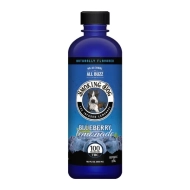
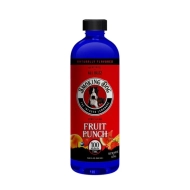
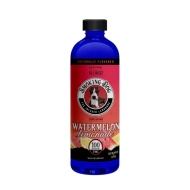
- Shop Hemp THC Drinks
- nama Euphoria Buzz Packs
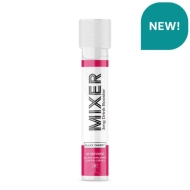
- cbdMD Delta 9 THC Drink Mixer
- ChowIndex: Hemp Product Directory
- ChowIndex: Brand & Product Rankings
Questions You Might Still Have
- Q: How will the color code affect products that mix THC with CBD?
- A: Even blended products would need to use the designated color if they contain intoxicating levels of THC, so shoppers should focus on the milligram breakdown and serving information alongside the color cue.
- Q: Could color coding reduce brand recognition?
- A: It might-but brands can counter this by emphasizing logo design, texture, packaging shape, and other visual cues that don't rely on color differentiation.
- Q: Will this apply to online listings too?
- A: Likely yes. E-commerce platforms may adopt the same color labels as visual icons or filters to help consumers identify THC beverages quickly.
- Q: How will this impact shelf placement in retail stores?
- A: Stores may group products by color category, simplifying navigation but also requiring brands to secure visibility through design elements other than color.
- Q: Does this change THC dosage disclosure requirements?
- A: No-dosage labels and milligram counts remain essential. The color code serves as an immediate category signal, not a replacement for accurate potency information.
Looking Ahead
If enacted, the Safe Sips Act's color-coded mandate could usher in a new era of clarity for hemp-derived THC beverages-aligning regulatory oversight, retail strategy, and consumer experience around a simple, intuitive visual standard. For brands, innovation beyond color will become key; for shoppers, swift identification will be the new normal.
Shop What You Just Read About
Every product is COA-verified and blockchain-anchored on Chow420.