




Alabama's First Medical Cannabis Sales Spark Ripple Effects for Hemp-Derived Shoppers
Alabama's First Medical Cannabis Sales Spark Ripple Effects for Hemp-Derived Shoppers
In the wake of Alabama's first legal medical cannabis sales-officially launched in early June 2026-registered patients have begun accessing products at Callie's Apothecary in Montgomery. That milestone marks a pivotal shift not only for medical cannabis recipients, but also for the broader hemp-derived CBD/THC shopping landscape across the state.
Disclaimer: This article is for informational purposes only and does not constitute medical or legal advice.
"One Dispensary, Many Implications": The New Reality for Hemp-Derived Shoppers
With just a single dispensary open so far, Alabama's medical cannabis market is still in its infancy. Callie's Apothecary began serving patients on June 4, 2026, welcoming 102 registered cardholders and generating nearly $15,000 in sales during its first week. This limited footprint means that hemp-derived CBD/THC products-particularly those offering mild THC-remain a critical access point for many consumers, especially in rural areas.
For hemp-derived shoppers, the launch of medical cannabis offers both clarity and competition. On one hand, it legitimizes cannabinoid therapies in the eyes of regulators and consumers alike, reinforcing the therapeutic value of alternatives to traditional pharmaceuticals. On the other, it introduces a new regulated channel that may draw demand away from hemp-derived products, especially as patients transition to physician-recommended medical cannabis.
"Regulatory Crosswinds": Alabama's Vertical Structure and Testing Bottlenecks
Alabama's medical cannabis program is built around a vertically integrated model: each licensee controls cultivation, processing, and one dispensary-only five such operations exist statewide. That consolidation, combined with the late certification of testing labs, limited initial product variety and supply. In contrast, the hemp-derived market is more decentralized, giving smaller brands and retailers an opportunity to fill gaps in availability and variety.
Reopened applications for additional testing labs signal that regulators are working to expand capacity. As testing infrastructure expands, more medical products may flow through dispensaries-but the timeline remains uncertain. In the meantime, hemp-derived brands may benefit from serving consumers who cannot easily access medical dispensaries or who seek alternative formats like beverages or gummies.
"Retail Strategy Shift": Hemp Shops vs. Medical Dispensaries
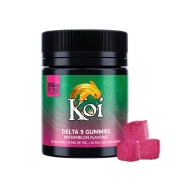
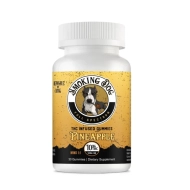
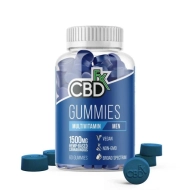
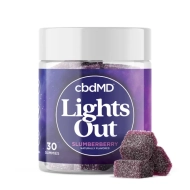
Hemp retailers now face a strategic inflection point. They must differentiate their offerings-whether through unique product formats, faster local delivery, or educational branding-to stay relevant in a landscape where medical cannabis carries added legitimacy. For example, products like gummies or syrups available through hemp channels may retain appeal for consumers who prefer discreet or familiar formats.
Internal anchors such as Shop Hemp Wellness Products | Buy Online | Chow420 and product detail links like nama Anytime Gummie, 10mg CBD per Gummy or Tillmans Tranquils THC Grape Syrup highlight how hemp-derived offerings can remain competitive in the absence of widespread medical supply. Brands may leverage their agility to introduce new formats or targeted wellness blends faster than the regulated dispensaries.
"Consumer Behavior in Transition": From Hemp-Derived to Medical Cannabis
Early anecdotal reports show patients transitioning from pharmaceuticals to medical cannabis for conditions like PTSD and chronic pain. This shift may draw some consumers away from hemp-derived products, especially those seeking stronger efficacy. Still, many users may continue to rely on hemp formats-particularly for maintenance dosing, lower-THC preferences, or convenience.
Hemp-derived products thus occupy a complementary niche: accessible, flexible, and often more familiar to non-medical shoppers. Retailers can position hemp-derived options as gateway or adjunct solutions, especially in areas where dispensaries are not yet open.
"Statewide Access Gaps": Geography, Physician Availability, and Market Reach
Alabama's dispensary rollout remains limited-initially confined to Montgomery, with others expected to open through summer 2026. That leaves large swaths of the state underserved. Internal links such as ChowIndex: Hemp Businesses in Alabama and Is CBD Legal? (State-by-State) provide resources for shoppers navigating state-level access challenges.
Similarly, physician participation is still ramping up-with only a few dozen certified to recommend medical cannabis. Hemp-derived products, by contrast, often require no physician involvement, offering a lower-barrier alternative for consumers navigating access constraints.
Forward-Looking FAQ
- Q: Will hemp-derived THC products face new restrictions now that medical cannabis is legal?
- A: Not necessarily. While medical cannabis is regulated, hemp-derived products still operate under federal hemp laws. Unless state policymakers act, hemp-derived formats remain available-especially in areas without dispensaries.
- Q: Can I use hemp-derived CBD/THC while also being a medical cannabis patient?
- A: Yes. Many patients use hemp-derived products in conjunction with medical cannabis, especially for lower-dose needs or when dispensary access is limited.
- Q: Will the price of hemp-derived products drop with medical competition?
- A: Possibly. As dispensaries scale, competition could pressure prices. But hemp-derived retailers may maintain pricing through product differentiation and local convenience.
- Q: Do hemp retailers need to change their marketing now that medical cannabis is available?
- A: Smart branding will emphasize wellness, transparency, and ease of access-especially for consumers not ready or able to visit a dispensary.
As Alabama's medical cannabis market unfolds, hemp-derived CBD/THC products continue to play a vital role. Their flexibility, variety, and accessibility make them key players in a shifting landscape. Brands and shoppers alike should watch closely how dispensary rollout, testing infrastructure, and consumer preferences evolve in the months ahead.
Looking ahead, the next few months will reveal how quickly dispensaries scale, whether testing bottlenecks ease, and how consumer behavior adapts-as well as how hemp-derived brands respond to this emerging medical frontier.
Shop What You Just Read About
Every product is COA-verified and blockchain-anchored on Chow420.