




Novel Pediatric Autism Trial Shows Promise for Terpene-Enriched Hemp Extract
Terpene-Enriched Hemp Extract Shows Early Promise in Pediatric Autism Trial
A new clinical trial exploring a hemp-derived, terpene-enriched cannabinoid oil with trace THC reports measurable reductions in behavioral severity among children with autism spectrum disorder. The study's findings offer a compelling glimpse into how nuanced botanical formulations may influence therapeutic outcomes-and what that could mean for CBD/THC shoppers navigating product innovation.
Disclaimer: This article is for informational purposes only and does not constitute medical or legal advice.
Study Highlights: Terpenes Meet Hemp Cannabinoids in Autism
A randomized, double-blind, placebo-controlled trial tested an oil formula combining cannabidiol (CBD), a small amount of THC (approximately 1/28 of the CBD dose), and terpenes. Children aged 4 to 13 participated, receiving either the active oil or placebo for eight weeks, followed by a crossover to an active THC-free formulation for another eight weeks. The trial measured behavioral severity using standardized scales and tracked safety indicators like body mass index and caregiver-reported side effects.
While full results are pending, early outcomes suggest a modest but meaningful reduction in behavioral severity. The inclusion of terpenes alongside a low-dose THC component appears to amplify the CBD's effect-even at minimal psychoactive levels-without serious adverse events reported.
How Terpenes May Shift Shopper Expectations
Terpenes, aromatic compounds found in hemp and other plants, are increasingly spotlighted for their potential to modulate cannabinoid effects. In this trial, their presence alongside CBD and low-dose THC may hint at an entourage-like synergy that elevates therapeutic response. For hemp-derived CBD/THC shoppers, this underscores a growing interest in formulations that go beyond isolated cannabinoids-especially those that balance potency with safety.
- Terpene-enhanced oils may deliver more targeted behavioral benefits.
- Low-THC inclusion maintains a mild profile while potentially boosting efficacy.
- Caregiver reports of tolerability reinforce appeal for sensitive populations.
Implications for Retail and Product Strategy
As the hemp retail landscape evolves, this trial illustrates a rising consumer appetite for nuanced, science-backed formulations. Retailers may differentiate offerings by highlighting terpene profiles and low-THC ratios tailored to pediatric or sensitive markets. Internally, brands could leverage this momentum by aligning product detail pages with emerging clinical nuance-guiding consumers toward terpene-enhanced oils with clear dosing transparency.
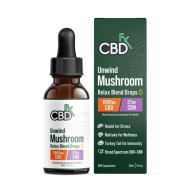
For example, shoppers exploring Shop Hemp Wellness Products | Buy Online | Chow420 may benefit from seeing terpene-rich options alongside best-sellers, or browsing specific formulations like Shop CBDfx Products | Buy Online | Chow420 or Shop Elite Hemp Products | Buy Online | Chow420. When a product aligns with emerging clinical evidence, such as low-THC plus terpene oils, linking to a ChowIndex: Hemp Product Directory can further build shopper confidence through transparency.
Consumer Behavior: Seeking Evidence and Nuance
Consumers who explore CBD/THC for sensitive use cases-such as pediatric or neurodiverse populations-are increasingly informed by clinical nuance. This trial reinforces a behavioral shift: shoppers are asking not just for "CBD oil," but for formulations with defined cannabinoid ratios, added terpenes, and documented safety. That trend may drive demand for more transparent labeling and education on product pages.
FAQ
- Q
- How significant was the behavioral improvement in children using the terpene-enriched oil?
- A
- While detailed numbers await publication, preliminary data indicate measurable reductions in standardized behavioral severity scores over eight weeks with the terpene-enriched CBD/THC oil.
- Q
- Were any adverse effects reported in the trial?
- A
- No serious adverse events were noted; caregivers reported good tolerability, and safety markers like BMI remained stable throughout the study.
- Q
- Does the trial suggest THC is necessary for benefit?
- A
- The study design included a switch to THC-free CBD plus terpenes after eight weeks. Comparative outcomes between the two phases will clarify whether low-dose THC adds meaningful benefit.
- Q
- What does this mean for everyday hemp-derived CBD/THC shoppers?
- A
- Shoppers seeking nuanced, research-aligned options may consider products with defined terpene profiles and low-THC ratios, especially if transparency and tolerability are priorities.
Looking ahead, longer-term and larger randomized studies will be key to validating these findings. For hemp shoppers, this trial opens a new dimension of product evaluation-one that values botanical synergy, precise cannabinoid ratios, and real-world safety. As clinical insight deepens, expect product innovation and consumer education to follow suit.
Shop What You Just Read About
Every product is COA-verified and blockchain-anchored on Chow420.