





Does CBD Show Up on a Drug Test?
Short answer: the test is not looking for CBD. It is looking for a metabolite your body makes from THC — which is why the question is really about what else is in the bottle.
Updated October 14, 2026 · catalogue figures recomputed from 244 lab-tested products.
The other 161 showed a measurable amount. Most retailers describe this in the abstract. We publish the split because every product on this site carries a certificate we can read.
What a workplace screen actually measures
A standard five-panel or ten-panel urine screen does not test for cannabis in general, and it does not test for CBD. It tests for THC-COOH, an inactive compound the liver produces after processing Delta-9 THC. The initial screen is an immunoassay, which is fast and cheap but only asks whether the sample is above a threshold — conventionally 50 ng/mL. Anything that flags is normally sent for confirmation by GC-MS or LC-MS, a far more specific method that typically applies a lower cut-off around 15 ng/mL and identifies the molecule directly.
Two things follow from that. First, CBD does not metabolise into THC-COOH, so CBD on its own is not what triggers a result. Second, because the screen is a threshold test rather than a yes/no detection of any exposure, the practical question is not “did I consume any THC” but “did enough metabolite accumulate to cross the line”.
So why do people fail after taking CBD?
Almost always because the product was not THC-free and nobody checked. Three routes account for most of it:
- Full-spectrum by design. A full-spectrum extract deliberately retains the plant's other cannabinoids, THC included. That is the product working as intended, not a defect. The highest Delta-9 reading across our own lab-tested stock is 0.298%, which is small per serving and not small once multiplied by daily use.
- Accumulation. THC-COOH is stored in fat and cleared slowly. A per-serving amount far below any threshold can still build up across weeks of consistent dosing, which is why heavy users show far longer detection windows than occasional ones.
- Mislabelling. Products sold as “THC-free” have repeatedly been found to contain THC when independently tested. This is the entire reason a certificate of analysis matters more than a label.
What our own certificates show
These counts come from the certificates attached to the 244 lab-tested products currently on sale here. They change as stock changes, and this page recomputes them rather than quoting a figure typed in once.
| Cannabinoid | Products with a measurable reading | Share of tested stock |
|---|---|---|
| THCA | 29 | 11.9% |
| DELTA-9 THC | 158 | 64.8% |
| DELTA-8 THC | 38 | 15.6% |
| EXO THC | 0 | 0.0% |
| DELTA-10 THC | 0 | 0.0% |
| No THC-family cannabinoid detected | 83 | 34.0% |
THCA is listed separately because it is not intoxicating until heated, at which point it converts to Delta-9 THC. For drug testing purposes it should be treated as THC, since the conversion happens before the metabolite is ever produced.
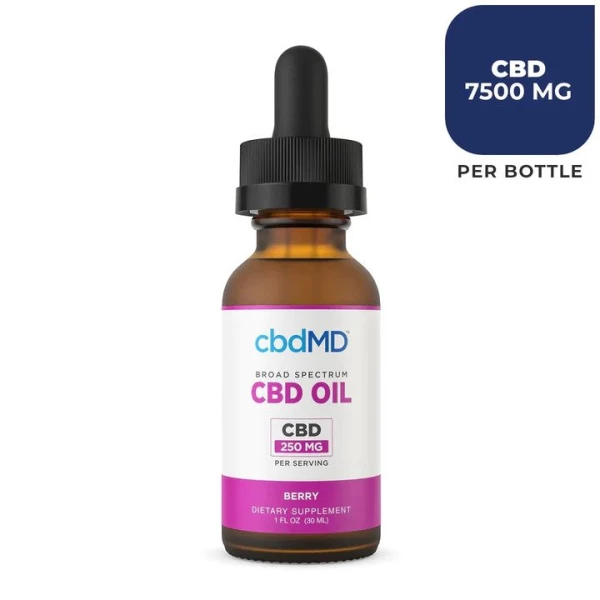
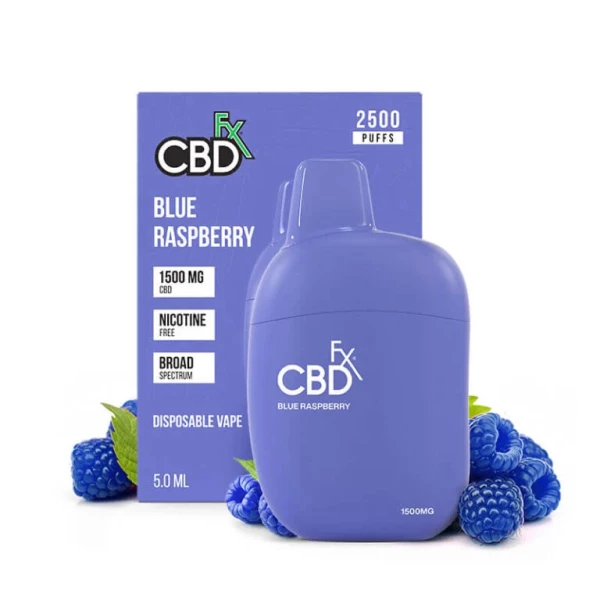
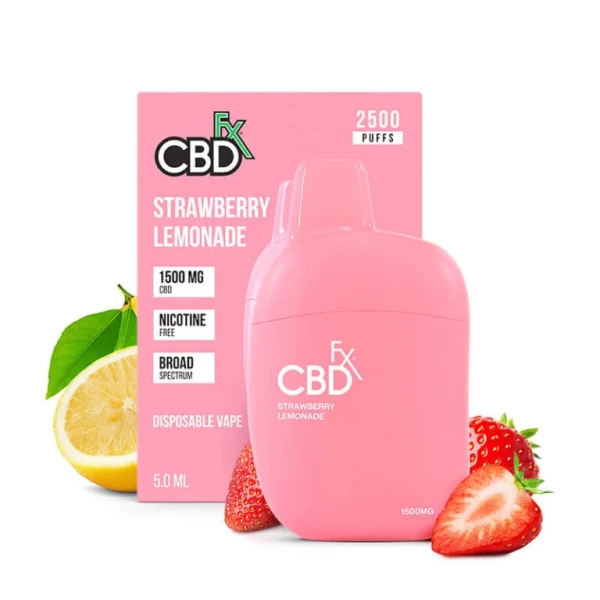
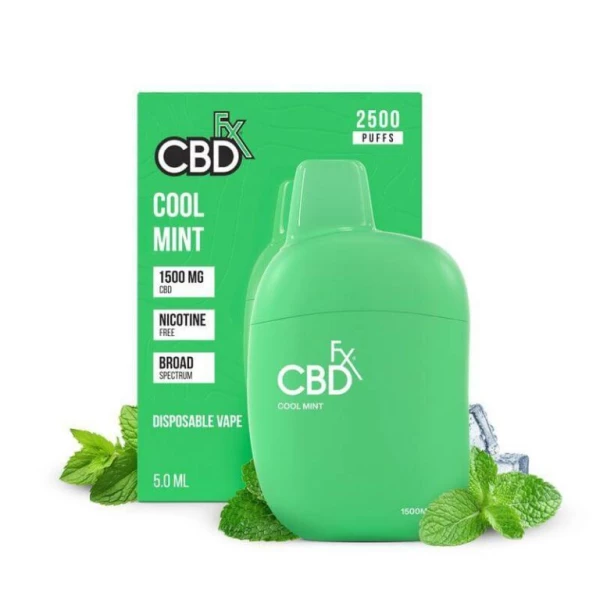
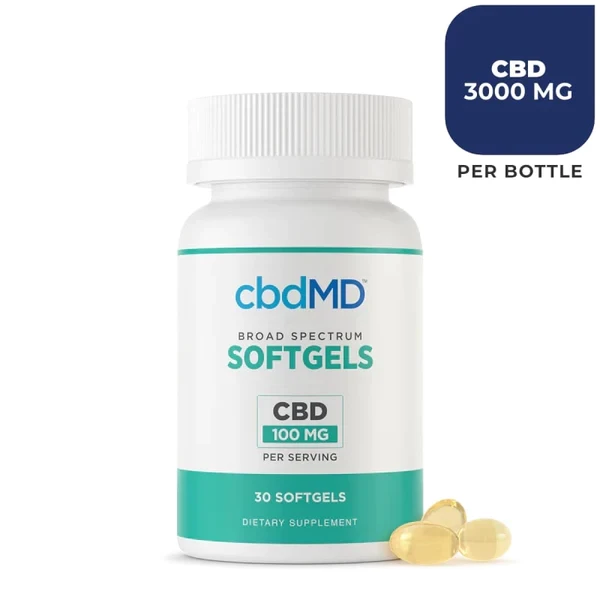
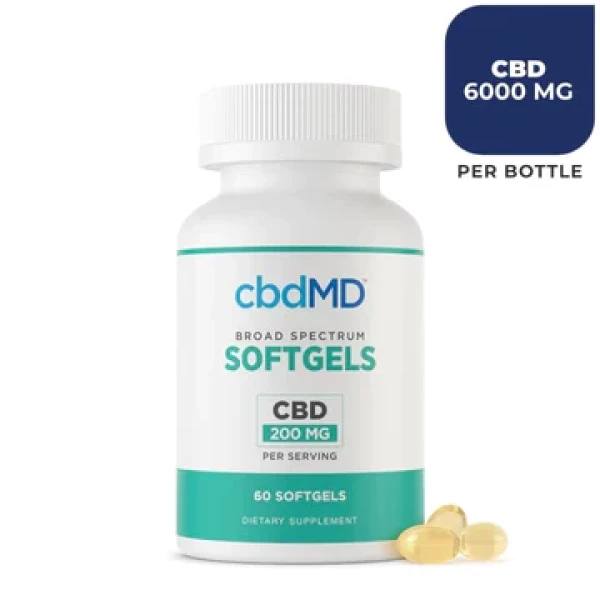
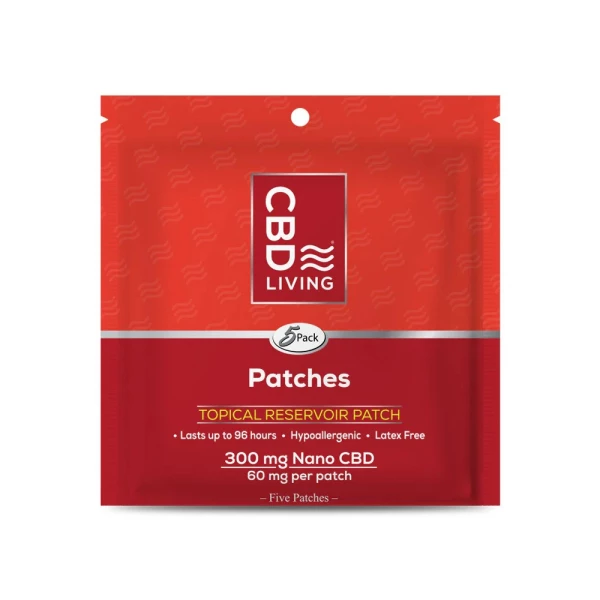
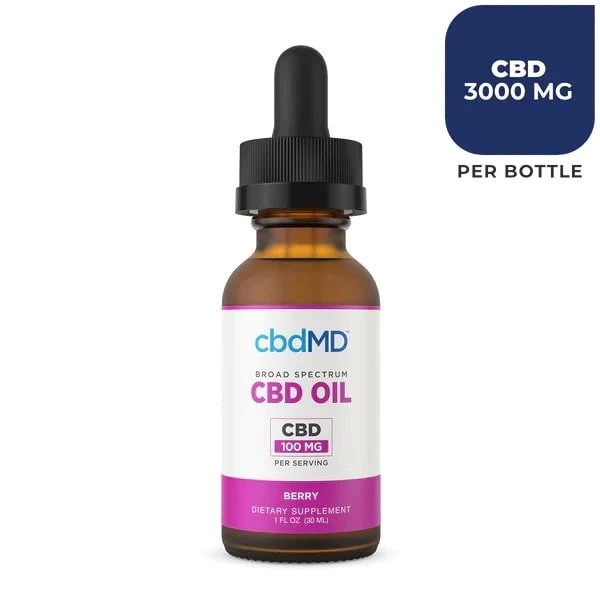
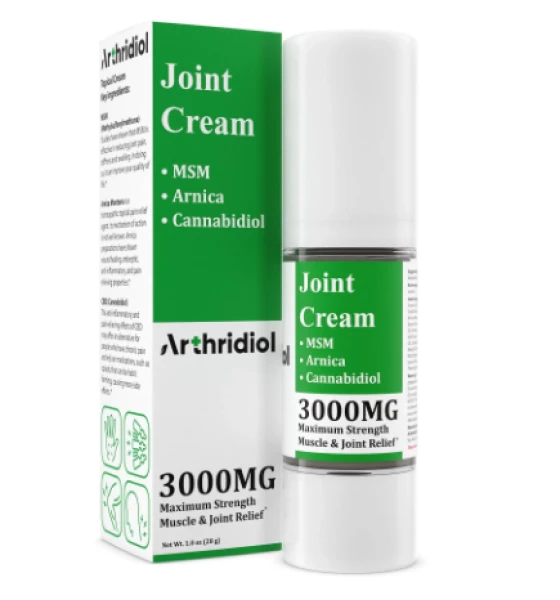
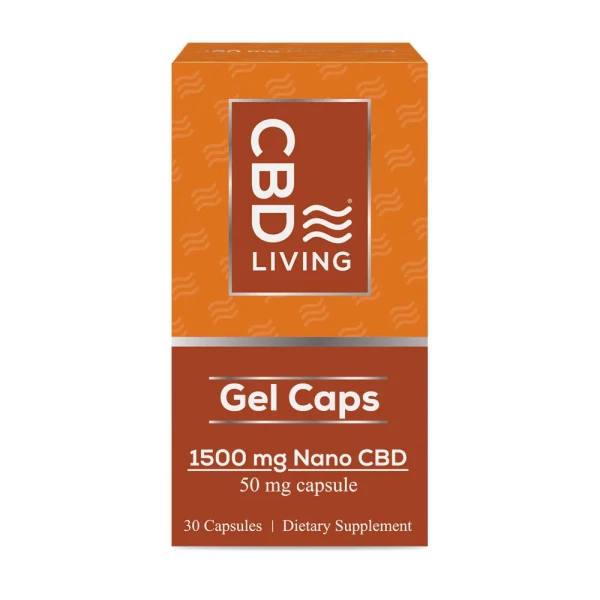
Products whose certificates showed no detectable THC
Ranked by measured CBD content. Each one is a product where the laboratory reported no quantifiable Delta-9, Delta-8, Delta-10, THCA or Exo-THC in the batch it tested.


How long THC stays detectable
Every figure below is a commonly published population range, not a prediction. Clearance depends on frequency, dose, body composition, hydration and the cut-off the laboratory uses.
| Pattern of use | Typical urine detection window |
|---|---|
| Single use | about 3 days |
| Moderate use, 4x/week | about 5 to 7 days |
| Daily use | about 10 to 15 days |
| Heavy daily use | 30 days or more |
Blood and saliva windows are much shorter, commonly measured in hours to a couple of days. Hair testing is much longer, commonly cited at around 90 days. Urine is the format used for most employment screening.
How to read a certificate of analysis
A certificate is only useful if it matches what you are holding. Four checks do most of the work:
- Batch number. It should match the batch printed on your package. A certificate for a different batch tells you nothing about yours.
- Date. Cannabinoids degrade. THCA converts to Delta-9 over time and with heat, and CBD degrades toward CBN. An old certificate describes an older chemical profile.
- The full cannabinoid panel. A report showing only CBD and Delta-9 is hiding THCA, Delta-8 and Delta-10. Total THC should be stated, not just Delta-9.
- Who signed it. An accredited third-party laboratory, not the brand's own bench. The laboratory name should be on the report.
You can check any batch we carry against its certificate using our COA verification tool, which looks the batch up directly rather than asking you to trust a product page.
What about CBN, CBG and the rest?
A standard immunoassay is raised against the THC metabolite. CBG, CBC, CBDV and CBDA are not its target and are not screened for on employment panels. CBN deserves one caveat: it forms as THC degrades, so a product with a meaningful CBN reading has usually been in contact with THC at some point. That makes its certificate worth reading closely — not because CBN is itself screened for, but because of what its presence implies about the rest of the panel.
If you want the chemistry behind each of these compounds, we maintain individual explainers for CBD, CBN, CBG and THCA, plus a direct CBD vs THC comparison.
Common questions
Does CBD show up on a drug test?
CBD itself is not what a standard workplace panel looks for. A urine screen targets THC-COOH, a metabolite the body produces from THC. Pure CBD does not metabolise into it. The risk comes from the THC that sits alongside CBD in full-spectrum products, not from the CBD.
Will I fail a drug test for CBD?
It depends on what else is in the product and how much of it you take. A full-spectrum product can legally contain THC, and repeated daily servings can accumulate enough metabolite to cross a screening cut-off. A product whose certificate of analysis shows no detectable THC carries far less of that risk, though no lab report can predict an individual test result.
How long does THC stay in your system?
Published detection windows vary widely with frequency of use, body composition and the cut-off the laboratory applies. Single use is commonly cited at roughly 3 days in urine, while daily use is commonly cited at 30 days or more. These are population ranges, not individual predictions.
Does full-spectrum CBD contain THC?
Yes, by definition. Full-spectrum means the extract retains the plant's other cannabinoids, including THC within the legal limit. Broad-spectrum and isolate products are processed to remove it. The only way to know what a specific batch contains is to read its certificate of analysis.
Can CBN or CBG cause a positive drug test?
Neither CBN nor CBG is the target of a standard THC immunoassay. CBN is a degradation product of THC, so a product containing meaningful CBN has often been in contact with THC, and its certificate is worth checking for that reason rather than because CBN itself is screened for.
What does "non-detect" on a certificate of analysis mean?
It means the compound was below the laboratory's limit of quantitation for that run. It is a measurement floor, not proof of absolute zero, and it applies to the batch that was tested rather than to every batch of that product.
This page explains how cannabinoid screening works and what our published certificates record. It is not medical, legal or employment advice, and it does not predict the outcome of any test.
