




10 mg Edible vs Joint Comparison
Comparing a 10 mg edible to a joint involves understanding differences in dosage control, onset time, and duration of effects. Edibles provide a precise THC measurement, while the THC content in joints can vary. Edibles also have a delayed onset of effects, typically taking 30 minutes to 2 hours to be felt, whereas the effects of smoking a joint are almost immediate but may last for a shorter duration.
What is a 10 mg edible?
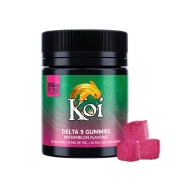
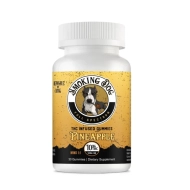
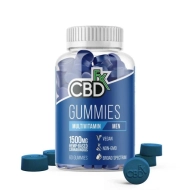
A 10 mg edible refers to a hemp-derived cannabis product that contains 10 milligrams of cannabinoids, typically THC. These products come in various forms such as gummies, chocolates, or beverages. Edibles are known for their precise dosage, which allows consumers to control their intake more accurately than with inhaled products. The effects of edibles are also noted for having a delayed onset, as the cannabinoids are absorbed through the digestive system before entering the bloodstream.
What is a cannabis joint?
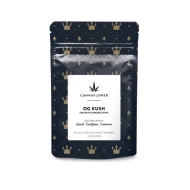
A cannabis joint is a rolled cigarette filled with cannabis flower. The content of THC in a joint can vary significantly depending on the strain and the amount of flower used. Smoking a joint allows for rapid absorption of THC into the bloodstream through the lungs, leading to almost immediate effects. However, unlike edibles, it is more challenging to precisely control the dosage of THC consumed when smoking a joint.
How do the effects of edibles compare to those of a joint?
The effects of a 10 mg edible are generally longer-lasting and may feel more intense than those from smoking a joint, due to the different metabolic processes involved. When THC is ingested, it is converted by the liver into a more potent form before entering the bloodstream, which can enhance its effects. In contrast, the effects of a joint are typically shorter in duration but occur more quickly because the THC bypasses the liver and enters the bloodstream directly through the lungs.
What are the onset times for edibles and joints?
The onset time for 10 mg edibles can range from 30 minutes to 2 hours, depending on individual metabolism and whether the stomach is empty or full. In contrast, the effects of smoking a joint are almost immediate, usually felt within minutes. This rapid onset is due to the direct pathway THC takes from the lungs to the brain, bypassing the slower digestive process required for edibles.
How long do the effects of edibles and joints last?
The effects of a 10 mg edible can last anywhere from 4 to 8 hours, significantly longer than those experienced from smoking a joint. The duration of effects from a joint typically ranges from 1 to 3 hours. This difference is primarily due to the metabolic processes involved in digesting edibles, which extend the release and effects of THC in the body.
Are there differences in health considerations between edibles and joints?
Consuming a 10 mg edible involves ingestion, which does not expose the lungs to smoke, potentially reducing respiratory concerns associated with smoking. On the other hand, smoking a joint involves inhalation of smoke, which can carry tar and other byproducts of combustion. Consumers looking to avoid these byproducts might prefer edibles as an alternative method of consumption.
How can consumers choose between an edible and a joint?
Choosing between a 10 mg edible and a joint depends on personal preferences regarding onset time, duration of effects, and consumption method. Those seeking longer-lasting effects and precise dosage might opt for an edible. Conversely, individuals looking for immediate effects might prefer smoking a joint. It's important for consumers to consider their own needs and circumstances when making this decision.
What are the legal considerations for edibles and joints?
Legal considerations for consuming 10 mg edibles and joints vary by state in the United States. While some states have legalized recreational and medicinal use of cannabis products, others have not. Consumers should verify the legal status of these products in their specific location before purchasing or consuming them. Always ensure that any cannabis product is purchased from a reputable source to guarantee compliance with local laws and regulations.
How do dosage controls differ between edibles and joints?
Dosage control is more precise with 10 mg edibles because each product is designed to contain a specific amount of THC. This contrasts with joints, where the amount of THC can vary widely depending on the cannabis strain and how the joint is prepared. For consumers interested in specific dosing, edibles may offer a more reliable option.
What should first-time consumers know about edibles and joints?
First-time consumers should be aware that the effects of 10 mg edibles can be significantly different from those of smoking a joint. Due to the delayed onset and potentially more intense effects of edibles, it is advisable to start with a low dose and wait to understand the full effects before consuming more. In contrast, the effects of a joint are felt quickly, allowing users to gauge their reaction sooner. Caution and moderation should guide initial experiences with both forms of cannabis.
What types of 10 mg edibles are available?
Consumers interested in 10 mg edibles will find a variety of product types available. These include:
- Gummies: Perhaps the most popular form, gummies come in numerous flavors and shapes, providing a familiar and discreet consumption method.
- Chocolates: These can range from small squares to full chocolate bars, segmented into doses for easy consumption.
- Beverages: Drinks infused with 10 mg of cannabinoids offer an alternative to traditional edibles and can include teas, sodas, and other liquid forms.
- Hard Candies: Like gummies, these offer a discreet way to consume cannabinoids and often come in a variety of flavors.
- Cookies and Baked Goods: These are another tasty option, though they tend to vary more in terms of exact dosage per piece.
Each type of edible offers a different experience in terms of taste and convenience, catering to personal preferences.
How does the flavor experience differ between a joint and an edible?
The flavor experience between consuming a 10 mg edible and smoking a joint varies significantly due to the method of consumption:
- Edibles: The flavors of edibles are primarily influenced by the other ingredients used in the product. For instance, chocolate or gummies will have a taste profile similar to non-infused versions of these products, masking the inherent taste of cannabis.
- Joints: Smoking a joint offers a more direct flavor of the cannabis strain used, including its terpenes, which are compounds responsible for the aroma and flavor. The taste can be earthy, fruity, spicy, or floral, depending on the strain.
Preference for flavor experience is subjective and varies from person to person. Some may prefer the direct cannabis taste offered by joints, while others might favor the variety and subtlety of flavors available in edibles.
What are the storage requirements for edibles and joints?
Proper storage is crucial for maintaining the quality and longevity of both edibles and joints. Here are some guidelines:
- Edibles: Most edibles should be stored in airtight containers to prevent exposure to air, which can degrade potency over time. Refrigeration is recommended for perishable products like baked goods and chocolates to prevent spoilage.
- Joints: Joints should be kept in a cool, dry place away from direct sunlight to preserve their potency and prevent mold. Many users opt for specialized cannabis storage containers that control humidity and protect from light.
Always check the packaging for specific storage instructions to ensure optimal preservation of these products.
Can edibles and joints be combined in use?
Combining different cannabis products, such as edibles and joints, is a practice some consumers might explore. However, it's important to consider several factors:
- Timing: Because edibles take longer to start working, the effects might overlap differently than expected if a joint is consumed simultaneously or close in time.
- Experience Level: Those new to cannabis might find it challenging to predict how combining these methods will affect their overall experience.
- Personal Tolerance: Individual tolerance levels can significantly influence how combining these products affects one.
Consumers should proceed with caution and consider their familiarity with each product type when combining forms of cannabis.
How does the social use of edibles compare to joints?
The social dynamics of using edibles versus joints can differ markedly:
- Edibles: Often consumed in settings where discretion is preferred or where smoke is inappropriate, edibles provide a smoke-free, more inconspicuous option. They are also easy to share in a social setting without the need for paraphernalia.
- Joints: Smoking joints is often associated with social rituals and can be a communal activity, such as passing a joint around a group. It also allows for immediate sharing and group participation.
Ultimately, the choice between edibles and joints for social situations depends on the setting, personal preference, and the social comfort with cannabis use among the group.
Related guides & shop on Chow420
- Shop lab-tested hemp products
- Cannabinoid guides (CBD, THC, THCA, CBN, CBG)
- Find your product
- Today's deals
- Hemp gummies & edibles
This guide is for general education only and is not medical, legal, or professional advice. Hemp-derived products are for adults 21+. Cannabinoid laws vary by state and change often, so check your local rules. These statements have not been evaluated by the FDA; our products are not intended to diagnose, treat, cure, or prevent any disease.
Frequently asked questions
How long does it take for a 10 mg edible to work?
The onset time for a 10 mg edible can vary from 30 minutes to 2 hours, depending on various factors such as metabolism and whether the stomach is empty or not.
Can you control THC dosage more accurately with edibles or joints?
THC dosage can be controlled more accurately with edibles, as they are specifically formulated to contain a precise amount of THC.
Are edibles or joints better for avoiding respiratory issues?
Edibles do not involve inhaling smoke and therefore may be preferred by those looking to avoid potential respiratory issues associated with smoking.
What are the legal restrictions on edibles and joints?
The legal status of edibles and joints varies by state in the U.S. Consumers should check local laws and regulations regarding the purchase and consumption of these products.
Shop What You Just Read About
Every product is COA-verified and blockchain-anchored on Chow420.