




Kentucky Broadens Medical Cannabis Access: What Hemp-Derived CBD/THC Shoppers Should Know
Kentucky Broadens Medical Cannabis Access: What Hemp-Derived CBD/THC Shoppers Should Know
Kentucky has just clarified and expanded who can access medical cannabis by adding 15 new qualifying conditions-from sickle cell anemia to fibromyalgia-offering a clearer path for patients while reshaping the hemp-derived CBD/THC market in the Bluegrass State.
Disclaimer: This article is for informational purposes only and does not constitute medical or legal advice.
New Eligibility Opens Doors for Patients-and Challenges Retailers
On June 2, 2026, Kentucky's governor signed an executive order directing the state's medical cannabis office to issue an emergency regulation that adds 15 conditions-such as ALS, Parkinson's disease, Crohn's disease, fibromyalgia, and glaucoma-to the list of qualifying diagnoses for medical cannabis access. This action clarifies eligibility where legislative efforts had stalled, enabling more patients to seek certified treatment.([kentucky.gov](https://www.kentucky.gov/Pages/Activity-stream.aspx?n=GovernorBeshear&prId=2766))
For hemp-derived CBD/THC shoppers, this expansion signals a potential shift in consumer behavior. Some individuals who previously relied on low-THC hemp products may now qualify for higher-THC medical cannabis through dispensaries-especially if they struggle to find relief within the 0.3% delta-9 THC legal limit.([legalclarity.org](https://legalclarity.org/is-thc-legal-in-kentucky-hemp-vs-marijuana-laws/))
Dual Pathways: Hemp-Derived vs Medical Cannabis
Kentucky operates two distinct regulatory tracks: one for hemp-derived products and another for medical cannabis. Hemp products containing no more than 0.3% delta-9 THC by dry weight are legal for adults 21+ and available through retail, subject to strict labeling, packaging, testing, and age restrictions.([legalclarity.org](https://legalclarity.org/is-thc-legal-in-kentucky-hemp-vs-marijuana-laws/))
In contrast, the medical cannabis program-now covering 15 additional conditions-allows for access to higher-potency products through licensed dispensaries for certified patients. These products are regulated separately and explicitly excluded from hemp definitions.([legalclarity.org](https://legalclarity.org/is-delta-9-thc-legal-in-kentucky-what-to-know/))
Drug-Test Risk: Hemp Legality Doesn't Guarantee Safety at Work
Even though hemp-derived THC is legal, standard workplace drug tests do not differentiate between hemp THC and medical cannabis THC. Regular use of hemp-derived THC products can trigger positive drug screens, potentially jeopardizing employment in zero-tolerance environments.([legalclarity.org](https://legalclarity.org/is-delta-9-thc-legal-in-kentucky-what-to-know/))
For individuals now eligible for medical cannabis, the dispensary route may offer more consistent dosing and clearer documentation-potentially reducing unintended workplace risk-though medical THC can still result in positive tests if not managed carefully.
Supply-Chain and Retail Impacts
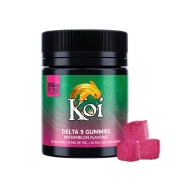
Retailers of hemp-derived products may see demand shift as eligible consumers migrate toward medical dispensaries for stronger relief. This could pressure hemp supply chains and retail inventory, especially for high-THC gummies and concentrates under the 0.3% limit.([legalclarity.org](https://legalclarity.org/are-thc-gummies-legal-in-kentucky/))
Meanwhile, dispensaries must prepare to serve a larger patient base, adjusting stock of products like THC gummies or tinctures, and ensuring compliance with medical program requirements.
Labeling and Testing Standards Remain Crucial
Kentucky's hemp-derived cannabinoid rules mandate third-party testing, accurate potency labeling, child-resistant packaging, and bans on marketing to minors. Any shifts in demand or crossover with medical products underscore the importance of these safeguards.([legalclarity.org](https://legalclarity.org/are-thc-gummies-legal-in-kentucky/))
Dispensaries face their own rigorous standards, but clearer patient guidelines may help prevent confusion and misuse between hemp-derived and medical products.
Key Takeaways for Hemp-Derived CBD/THC Consumers
- Check if your condition is now covered-medical access might offer stronger options.
- Understand that hemp products are capped at 0.3% THC and still pose drug-test risk.
- Expect shifts in retail-some shoppers may move to dispensaries, affecting hemp product availability.
- Watch for supply-chain pressures as demand reallocates.
- Stay informed on labeling and packaging rules to ensure safe purchasing.
Related Products and Resources
Consider exploring these offerings tailored to different needs:
- Shop Hemp Wellness Products | Buy Online | Chow420
- Tillmans Tranquils CBD:THC Gummies for Sleep - Blackberry
- nama Nighttime Microdosed THC Gummies with Chamomile
- Browse product rankings on ChowIndex: Brand & Product Rankings for top-reviewed options.
Questions Readers Might Ask Next
- Q
- How soon after the executive order will dispensaries begin offering products for the new conditions?
- Q
- Will hemp-derived THC gummies become harder to find if more patients switch to medical cannabis?
- Q
- Can people with newly covered conditions still choose hemp products, or must they go through the medical program?
- Q
- Will insurance ever cover medical cannabis if more conditions are added?
- Q
- How can consumers verify that a hemp product meets Kentucky's testing and labeling standards?
As Kentucky moves forward, the medical cannabis program's expansion may reshape how hemp-derived CBD/THC products are consumed, regulated, and marketed. For shoppers navigating this evolving landscape, staying informed and flexible will be key to finding the right path forward.
Shop What You Just Read About
Every product is COA-verified and blockchain-anchored on Chow420.