




Employers Dropping THC Screens: How It's Reshaping the Hemp-Derived Product Market
When Employers Stop Testing for THC, What It Means for Hemp-Derived CBD/THC Shopping
Nearly half of employers in the U.S. have now dropped cannabis from their pre-employment drug screens, and this shift is already rippling through the hemp-derived CBD/THC market-from product formulation and brand positioning to consumer confidence and retail strategy.
Disclaimer: This article is informational only and does not constitute medical or legal advice.
Employer Testing Retreat Sparks Market Recalibration
A recent survey of nearly 1,000 employers shows that about half no longer require cannabis testing during hiring-motivated by recruitment challenges and changing legal landscapes. Many employers cited talent acquisition and retention as key reasons for dropping THC screens, especially in competitive labor markets where a positive test could disqualify otherwise qualified candidates.
While some employers maintain testing for safety-sensitive roles, across sectors the trend is clear: presence-based testing is becoming increasingly unpopular, and companies are shifting toward impairment-based assessments or performance measures instead.
How This Trend Influences Hemp-Derived Product Strategy
- Brands can now emphasize compliance with evolving workplace norms-highlighting low-THC or THC-free formulations that reduce off-clock detection risks.
- Lab testing standards and Certificates of Analysis (COAs) gain prominence as consumers and employers alike seek assurance that products won't trigger metabolite thresholds.
- Retailers and brands may lean into messaging around quick-metabolizing cannabinoids, micro-doses, or broad spectrum options to align with employer-friendly profiles.
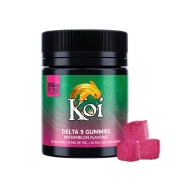
Consumers shopping for hemp-derived wellness products can explore offerings like Shop Hemp Wellness Products | Buy Online | Chow420 or specific calming brands such as Shop Koi for Relaxation And Calming | Buy Online | Chow420 and Shop Simple Leaf CBD for Relaxation And Calming | Buy Online | Chow420, which may highlight THC-minimized formulations.
Regional Legal Patchwork Still Matters
Even as many employers drop THC tests, state-level protections vary. In jurisdictions like California, New York, and Rhode Island, off-duty cannabis use is shielded from disciplinary action-unless the position is safety-sensitive or federally regulated. This legal nuance continues to influence how hemp-derived brands communicate product safety and compliance.
Consumers should remain aware of their local laws and workplace policies-especially if they rely on CBD products that may contain trace THC. Products labeled "THC-free" may still cross thresholds if not rigorously tested.
Consumer Behavior and Retail Dynamics Evolve
As employer screening relaxes, shoppers may become more open to hemp-derived products with modest THC. Yet, a segment of risk-averse consumers-especially those in regulated industries-will seek ultra-low-THC or CBD-only options with transparent lab results.
Retailers can adapt by creating clear product categories: "workplace-safe" offerings, micro-dose selections like cbdMD Delta 9 THC, Micro Mints, or soothing topicals such as Koi Dragon Balm that carry minimal systemic THC exposure. These distinctions help shoppers make informed choices aligned with their professional needs.
Brand Strategy: Trust Through Transparency
In this new era, brands that invest in rigorous third-party testing and clearly communicate THC levels will earn consumer trust. Highlighting rapid metabolite clearance, dosage control, or cannabinoid ratios becomes a strategic advantage.
Highlighting brand rankings or directories-such as ChowIndex: Brand & Product Rankings and ChowIndex: Hemp Product Directory-can help shoppers identify reputable options with workplace-friendly profiles.
FAQ
- Q
- Could using a full-spectrum CBD product still lead to a positive THC test despite employer leniency?
- A
- Yes. Even small amounts of THC in full-spectrum or mislabeled "THC-free" CBD products can produce metabolite levels detectable in urine weeks after use. Opt for rigorously tested broad-spectrum or isolate products with clear COAs.
- Q
- Are there product categories that are especially safe for workers in regulated roles?
- A
- Micro-dose edibles, topicals, and products with non-detectable THC levels are generally safer bets. For example, items like micro-mint gummies or CBD-dominant topicals typically pose lower detection risk.
- Q
- How can I find hemp-derived products that align with employer-friendly policies?
- A
- Look for products with transparent lab testing, minimal THC content, and clear labeling. Use Chow420's internal links like the hemp wellness shop and ChowIndex directories to compare options.
- Q
- Does the decline in employer testing mean I can use any hemp-THC product without risk?
- A
- No. While many employers are relaxing screens, safety-sensitive roles or those under federal regulation may still enforce strict testing. Always review your specific workplace policy.
- Q
- Will this shift affect future state or federal regulation of hemp-derived products?
- A
- Potentially. As employer norms evolve, regulatory agencies may tighten product standards to ensure workplace safety, including clearer THC thresholds and labeling requirements.
Looking ahead, the trend of employers dropping THC screening will continue to reshape shopper expectations and brand strategy in the hemp-derived space. Brands that prioritize transparency, testing, and careful formulation will thrive as consumer demand aligns with evolving workplace realities.
Shop What You Just Read About
Every product is COA-verified and blockchain-anchored on Chow420.