




Virginia's New Recovery Housing Rules Reshape Hemp-Derived CBD/THC Shopper Landscape
Virginia's Recovery Housing Regulation Reshapes Hemp-Derived CBD/THC Shopper Behavior
A recent change in Virginia law now prohibits recovery residences from requiring residents to participate in medical or psychological services-including cannabis-based treatments-as a condition of housing. While this move aims to safeguard housing access for individuals in recovery, its ripple effects are already influencing how hemp-derived CBD/THC shoppers navigate legal, therapeutic, and residential landscapes.
Disclaimer: This article is for informational purposes only and does not constitute medical or legal advice.
How Certification Standards and Treatment-Free Housing Intersect with CBD/THC Access
Virginia's newly enacted regulations require recovery residences to obtain certification from the Department of Behavioral Health and Developmental Services (DBHDS), including conditional certification for up to nine months while pursuing full accreditation. Critically, these rules bar facilities from mandating any medical or psychological services tied to financial benefit, including cannabis-based treatments, as a condition of residency.
For hemp-derived CBD/THC shoppers-especially those using these compounds for therapeutic purposes-this creates a complex scenario. Individuals seeking housing in recovery environments may now feel freer to self-medicate with CBD or low-dose THC without fear of eviction, but the tension between state housing rules, federal cannabis prohibition, and hemp-THC retail access remains high.
The Regulatory Balance: Housing Rights vs Hemp Product Constraints
On one hand, recovery housing operators must now avoid conditioning residency on any form of treatment, opening the door for residents to use hemp-derived CBD/THC discreetly. On the other hand, state-level hemp enforcement in Virginia remains stringent: hemp products must not exceed 0.3% total THC and 2 mg per package, with violations risking civil penalties.
This regulatory patchwork means hemp-derived shoppers must carefully navigate product choices-particularly in recovery contexts where discretion and compliance both matter. Consumers may gravitate toward microdose-friendly formats or CBD-dominant products that fall within legal thresholds while still offering perceived therapeutic benefit.
Consumer Behavior Shift: From Recovery Bias to Hemp Product Strategy
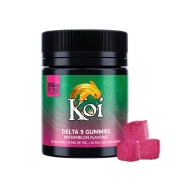
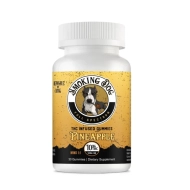
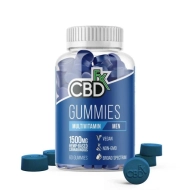
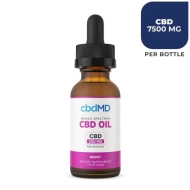
Recovery housing's non-treatment mandate allows residents to make independent choices-potentially increasing demand for discreet, compliant hemp-derived CBD/THC products. Shoppers may favor gummies or tinctures that offer low-level THC or CBD without triggering certification scrutiny or exceeding legal limits.
At the same time, this dynamic could drive increased interest in lab-tested, transparent products, as residents seek assurance that what they're consuming won't jeopardize housing status or violate state hemp rules. Brands offering clear COAs and low-THC formulations may gain traction among this audience.
Brand Strategy Implications: Trust, Transparency, and Recovery-Friendly Positioning
Brands in the hemp-derived CBD/THC space may now find an opportunity to tailor messaging toward individuals in recovery or those seeking housing stability. Emphasizing third-party lab testing, adherence to Virginia's THC limits, and microdose-friendly profiles can establish trust with consumers operating under recovery residence constraints.
Moreover, aligning with recovery-supportive values-such as non-coercive wellness and harm reduction-can differentiate products in a crowded market. Brands that communicate empathy for recovery housing challenges, while staying within regulatory boundaries, may win loyalty from this nuanced consumer segment.
Supply-Chain and Retail Distribution Considerations
Retailers serving Virginia's hemp-derived CBD/THC market should also adapt. Offering product lines that clearly state total THC per package and ensuring compliance with state disclosure forms can reduce retailer risk. Highlighting products with CBD-to-THC ratios that stay within legal margins may appeal to recovery housing residents and operators alike.
Additionally, stocking microdose gummies or tinctures with clear dosing can meet the discreet needs of shoppers who prioritize housing stability alongside wellness support.
Internal Resources for Hemp-Derived Shoppers in Virginia
- Shop Hemp Wellness Products | Buy Online | Chow420 - explore compliant CBD/THC options
- Shop Foy Products | Buy Online | Chow420 - trusted low-THC formulations
- Shop Koi Products | Buy Online | Chow420 - microdose-friendly selections
- ChowIndex: Hemp Product Directory - compare lab-tested items
- ChowIndex: Brand & Product Rankings - see top-rated recovery-sensitive offerings
- Virginia Hemp & Cannabinoid Law Guide 2026 - understand legal thresholds
FAQ
- Q
- Can residents of recovery housing use hemp-derived CBD/THC without violating housing rules?
- A
- Yes-as long as the product remains within Virginia's hemp-derived THC limits and is not mandated by the housing provider, individuals can use such products independently.
- Q
- How can I ensure a hemp product complies with Virginia's legal thresholds?
- A
- Look for lab-tested products under 0.3% total THC and no more than 2 mg THC per package, with clear COAs and product disclosures.
- Q
- Are recovery residences allowed to reject residents who use CBD or low-dose THC?
- A
- No-Virginia law prohibits recovery residences from requiring participation in medical or psychological services, including cannabis-based treatments, as a condition of housing.
- Q
- What product formats are most discreet and compliant for recovery housing residents?
- A
- Microdose gummies or tinctures with clear THC per package labeling are both discreet and compliant with state rules.
As Virginia's regulatory landscape evolves, the intersection of recovery housing and hemp-derived CBD/THC access will continue shaping shopper behavior. Consumers and brands alike must remain informed, compliant, and sensitive to housing stability concerns in this emerging dynamic.
Shop What You Just Read About
Every product is COA-verified and blockchain-anchored on Chow420.