




Scheduling Shift Sparks Hemp-Derived Market Strategy Shake-Up
Scheduling Shift Sparks Hemp-Derived Market Strategy Shake-Up
A quiet yet consequential push to reschedule certain cannabis products is rippling through the hemp-derived CBD and THC market, prompting retailers, brands, and shoppers to adjust strategies well before enforcement deadlines arrive.
Disclaimer: This article is for informational purposes only and does not constitute medical or legal advice.
Rescheduling Momentum Meets Shopper Access Realities
Federal authorities have taken the first step toward reclassifying state-authorized medical cannabis from Schedule I to Schedule III, a move that underscores growing alignment between policy and public sentiment. At the same time, a looming federal rule set for November 2026 threatens to redefine hemp in a way that could sweep most intoxicating hemp-derived products off the market by capping total THC per container and excluding synthetic cannabinoids.
These parallel developments are creating a strategic crossroads for hemp-derived CBD/THC brands and retailers: how to maintain consumer access and product variety amid regulatory upheaval.
Consumer Behavior and Market Composition Under Pressure
Survey data shows more than one-third of U.S. adults have tried CBD products, and nearly 8 percent have used delta-8 THC-often synthesized from CBD-particularly in regions where traditional cannabis remains unavailable. Usage of novel hemp-derived cannabinoids continues rising, especially where legal recreational cannabis is absent.
Meanwhile, commercial analysis reveals that THC (including hemp-derived variants) makes up over 90 percent of cannabis market value across states, regardless of legalization status. That dominance suggests any disruption in hemp-derived THC access could reverberate industry-wide.
Retail Strategy Scramble Ahead of THC Cap Enforcement
Starting in November 2026, enforcement of a strict 0.4 mg total-THC per container limit threatens the legality of most current hemp-derived CBD and intoxicating products. This could force convenience stores and online platforms to reevaluate inventory, especially items containing delta-8, delta-10, or other synthetic cannabinoids.
Retailers must now anticipate a narrowing of product offerings, while brands need to accelerate reformulation or pivot to non-impairing options to stay compliant.
Policy Uncertainty Demands Agile Brand Positioning
The rescheduling hearings-launching in mid-2026-are not only reshaping legal definitions but also influencing brand positioning. Some stakeholders argue Schedule III status may pave the way for pharmaceutical integration, while others worry about a bifurcated market between federally regulated medical THC and consumer-facing hemp products.
Brands must navigate both federal ambiguity and state-by-state policy patchworks, balancing compliance, consumer trust, and innovation.
Key Strategic Moves for Hemp-Derived CBD/THC Stakeholders
- Review and reformulate products to comply with the upcoming total-THC cap, focusing on low-THC or non-impairing formulations.
- Monitor rescheduling hearings and legal filings closely to anticipate shifts in regulatory classification and testing requirements.
- Educate consumers on changes in product availability and legal status across states, reinforcing transparency and trust.
- Invest in testing and labeling accuracy to preempt enforcement and retain shelf visibility.
- Align brand messaging with evolving policy-emphasizing safety, compliance, and differentiation.
Internal Resources for Product Discovery and Market Insight
Explore curated selections to adapt your offerings:
- Shop Hemp Wellness Products | Buy Online | Chow420 - for compliant CBD and wellness staples.
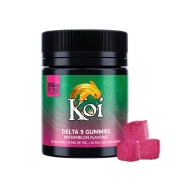
- Shop Koi Products | Buy Online | Chow420 - low-THC options gaining traction.
- Shop Snoozy Gummy Products | Buy Online | Chow420 - consumer-friendly, mild formulations.
- Tillmans Tranquils Cherry Delta 9 THC Syrup - product detail - example of current high-THC offerings at risk.
- Tillmans Tranquils Mango Delta 9 THC Syrup - product detail - illustrates formulation trends.
- ChowIndex: Hemp Product Directory - track compliant and trending products.
- ChowIndex: Brand & Product Rankings - benchmark performance amid regulatory shifts.
- Q
- How will rescheduling to Schedule III affect hemp-derived product testing standards?
- Q
- Can products reformulated to stay under the 0.4 mg THC cap remain legal post-November 2026?
- Q
- What should consumers expect in terms of product availability in states with differing cannabis laws?
- Q
- How can brands communicate compliance without confusing shoppers about medical vs hemp-derived status?
Looking ahead, the interplay between rescheduling developments and the impending THC cap will define the competitive landscape for hemp-derived CBD/THC. Stakeholders who act now-through reformulation, education, and agile positioning-will be best poised to navigate what comes next.
Shop What You Just Read About
Every product is COA-verified and blockchain-anchored on Chow420.