




Hawaii's Hemp Retailers Challenge Total-THC Crackdown Amid Registration Enforcement
Hawaii's Hemp Retailers Challenge Total-THC Crackdown Amid Registration Enforcement
When Hawaii's Office of Medical Cannabis Control and Regulation (OMCCR) began enforcing its long-anticipated hemp retailer and distributor registration requirements on July 1, 2026, many local shops found themselves in the crosshairs of a sweeping regulatory shift. The state's insistence on a "total-THC" standard-rather than simply delta-9 THC under federal law-has prompted a federal lawsuit that could reshape access to hemp-derived products for consumers and retailers alike.
Disclaimer: This article is for informational purposes only and does not constitute medical or legal advice.
Hawaii's New Retailer Registration Push: A Turning Point
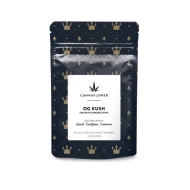
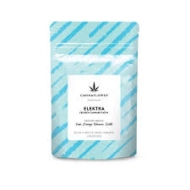
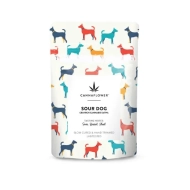
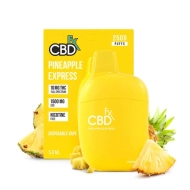
Under Act 269 (2025), Hawaii mandated that all sellers of manufactured hemp products-including out-of-state and online sellers-must register with OMCCR beginning January 1, 2026. A grace period ended June 30, and enforcement officially began July 1, 2026, with inspections, fines, product embargoes, and destruction of non-compliant items looming for violators. Among the most targeted items: hemp flower, pre-rolls, vapes, and products exceeding total-THC thresholds. The state insists these measures are vital for consumer safety and fair competition.
Retailers Strike Back: Federal Lawsuit Seeks to Halt Enforcement
Small hemp businesses, including O'ahu Dispensary and Provisions, have filed suit in federal court, arguing Hawaii's total-THC standard diverges from the federal Farm Bill's delta-9 THC limit and unfairly criminalizes products retailers believed were lawful. The plaintiffs seek a preliminary injunction to pause enforcement while the case proceeds, warning that enforcement actions-including inventory seizures-could devastate their operations before legal clarity arrives.
Regulatory Disruption Meets Market Reality
For years, hemp businesses in Hawaii operated under federal guidelines, investing in inventory, storefronts, and legitimate commerce based on the 0.3% delta-9 THC threshold. The abrupt shift to total-THC measurements has triggered uncertainty, job losses, and the risk of businesses closing-even as consumer demand continues. Critics argue that pushing these products underground may undermine transparency and safety, as compliance-driven retailers are replaced by unregulated supply chains.
What This Means for Hemp-Derived Product Shoppers
- Product availability may shrink sharply in Hawaii, especially for smokables, vapes, and certain edibles previously considered federally legal.
- Consumers may need to verify product testing for total-THC compliance and purchase only from registered retailers.
- Uncertainty persists: if the federal court grants an injunction, enforcement could be paused temporarily, restoring access to some items.
Retail Strategy and Brand Implications
Brands and retailers must adapt quickly. Some may shift inventory to topicals, tinctures, or other compliant formats. Others may pivot marketing to emphasize transparency and legal compliance. The registration process itself-$50 for a five-year certificate-adds a compliance cost, but failure to register invites steep penalties.
Looking Ahead: Legal and Consumer Access Unfolding
The federal court's decision on the injunction will likely determine whether Hawaii's total-THC crackdown stands, at least temporarily. Meanwhile, retailers must navigate evolving rules and consumers may face reduced access to products they once relied on.
- Q: What types of hemp products remain legal in Hawaii under the new rules?
- A: Only manufactured hemp products that meet total-THC limits (?0.3% by weight, ?1 mg per serving, ?5 mg per container), have proper testing, labeling, and are sold by registered retailers.
- Q: Can a registered retailer still sell hemp flower or pre-rolls?
- A: No. Flower, pre-rolls, vapes, and concentrates remain prohibited regardless of registration status.
- Q: What should shoppers look for to ensure a product is compliant?
- A: Confirm the retailer is registered, review lab results for total-THC levels, check for compliant packaging and labeling, and avoid products with synthetic cannabinoids.
- Q: Could enforcement be paused soon?
- A: Possibly. The lawsuit includes a motion for a preliminary injunction. If granted, enforcement may be delayed until the dispute is resolved.
- Q: What happens if a retailer is found non-compliant?
- A: The state may issue fines up to $10,000 per offense, embargo or seize products, and potentially shut down the business.
As this legal battle unfolds in federal court, Hawaii's hemp retail landscape remains volatile. Shoppers should stay informed and prioritize transparency and compliance. Retailers must weigh the risks-and opportunities-of operating under a shifting regulatory framework.
The outcome of this case could set a precedent for how state-level hemp enforcement intersects with federal standards-and shape the future of hemp-derived product access in Hawaii and beyond.
Shop What You Just Read About
Every product is COA-verified and blockchain-anchored on Chow420.