




Massachusetts' $10B Cannabis Boom and What It Means for Hemp-Derived CBD/THC Shoppers
Massachusetts' $10B Cannabis Boom and What It Means for Hemp-Derived CBD/THC Shoppers
Massachusetts has just crossed the $10 billion threshold in cumulative adult-use cannabis sales since legalization-an achievement that signals both maturity and turbulence in the broader cannabinoid marketplace. This milestone emerges amid rising supply, regulatory shifts, and a looming vote on rolling back recreational access-factors that ripple into the hemp-derived CBD/THC shopping ecosystem.
Disclaimer: This article is informational only and does not constitute medical, legal, or investment advice.
Why the $10 B Milestone Matters for Hemp-Derived Consumer Behavior
Hitting $10 billion in adult-use cannabis sales underscores how deeply regulated cannabis has penetrated Massachusetts' economy-even as hemp-derived products continue to proliferate outside that system. Regulated stores now generate reliable revenue, but hemp-derived offerings still appeal to price-sensitive consumers, especially in areas underserved by dispensaries.
While adult-use cannabis now averages over $1 billion in annual sales, hemp-derived products remain widely available in smoke shops and online. The competition between these markets is intensifying as consumers weigh convenience and cost against regulatory safety.
How Market Saturation and Pricing Pressure Affect Hemp-Derived Demand
Massachusetts' cannabis market is maturing fast, with monthly gross adult-use sales holding steady in the $120-160 million range-suggesting a plateau typical of a mature sector. That stagnation creates pressure on price and availability, which in turn drives some shoppers back toward hemp-derived channels that may offer lower costs or easier access.
For hemp-derived CBD/THC shoppers, this could mean better deals-but also greater exposure to products with less oversight. As regulated cannabis operators face tighter margins, hemp brands may lean harder into price competition, especially in rural or opt-out communities.
Regulatory Crosswinds: Social Consumption and Repeal Vote Loom
Massachusetts regulators are gearing up to issue social consumption licenses by early 2027, enabling cannabis cafes and event partnerships. That expansion could shift consumer behavior again, offering new, legitimized points of consumption that may draw hemp-derived shoppers into regulated venues.
Yet a November ballot measure threatens to reverse recreational legalization, potentially displacing 15,000+ jobs and eliminating hundreds of millions in annual tax revenue. If successful, that rollback could collapse the adult-use channel and push many consumers toward hemp-derived markets once again-this time as the only remaining legal option.
Supply Chain Ripple Effects and Brand Strategy Implications
As regulated dispensaries grow and diversify, supply chains for hemp-derived brands may face disruption. Retailers and brands will need nimble strategies to maintain shelf space in smoke shops and wellness stores. Hemp-derived products may also need to differentiate themselves via branding, formulation clarity, or value pricing to retain shoppers who now have more legal alternatives.
- Shop Hemp Wellness Products | Buy Online | Chow420 offers broad product categories that may appeal to shoppers priced out of dispensaries.
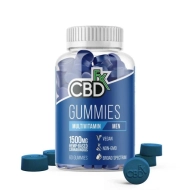
- Specialty hemp-derived lines like Shop CBDfx Products | Buy Online | Chow420 and Shop Elite Hemp Products | Buy Online | Chow420 must now reckon with increased competition from adult-use stores.
Data Patterns: Consumers Lean Toward Regulated Options-Sometimes
State surveys show that by 2023, 73 percent of cannabis users reported buying from a "store," including both regulated adult-use dispensaries and unlicensed outlets. That signals growing trust in retail channels-but also ambiguity in how consumers perceive hemp-derived vendors.
As adult-use access expands, especially with delivery and social consumption, hemp-derived sellers may lose ground-unless they clarify their value proposition. Knowing the difference between licensed dispensaries and hemp-derived outlets becomes increasingly important for shoppers.
Internal Links for Product Discovery
Explore hemp-derived alternatives that may appeal amid this shifting landscape:
- Shop Erth Wellness Products | Buy Online | Chow420
- Shop Foy Products | Buy Online | Chow420
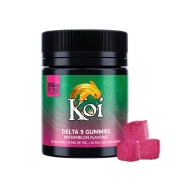
- Shop Koi Products | Buy Online | Chow420
- ChowIndex: Hemp Product Directory and ChowIndex: Hemp Businesses in Massachusetts are great starting points to compare local options.
FAQ
- Q How might the upcoming social consumption licenses affect hemp-derived product demand?
- A new category of cannabis cafes and event venues could draw shoppers into regulated environments, potentially reducing reliance on hemp-derived products for consumption in social settings.
- Q If the repeal ballot measure passes, what happens to hemp-derived products?
- Hemp-derived products would likely remain legal, becoming the primary legal route for psychoactive cannabinoids-though standards and oversight remain weaker than in adult-use systems.
- Q Are hemp-derived products cheaper than dispensary alternatives now?
- Often yes-hemp-derived goods may offer lower prices and broader distribution, but shoppers should weigh the trade-off in testing, transparency, and product consistency.
- Q How can shoppers tell regulated cannabis apart from hemp-derived products?
- Regulated products are sold through licensed dispensaries, come with lab testing, tax stamps, and age verification. Hemp-derived products often lack these markers and may be sold in non-age-restricted outlets.
As Massachusetts marks this $10 billion milestone, hemp-derived CBD/THC shoppers stand at a crossroads. With the regulated market expanding via delivery and soon social consumption, competition is intensifying. Yet political uncertainty looms, and price-sensitive consumers may still look to hemp-derived products for access. Watching how regulations, retail strategies, and consumer preferences evolve will be key for both brands and buyers navigating this turning point.
Shop What You Just Read About
Every product is COA-verified and blockchain-anchored on Chow420.