




Texas Hemp-THC Crackdown: Alcohol Donors, Legal Maze, Shopper Fallout
Texas Hemp-THC Crackdown: Alcohol Donors, Legal Maze, Shopper Fallout
Texas hemp-derived THC products are caught in a political crossfire, where campaign contributions from the alcohol industry appear to intersect with a legal crackdown that has sent ripples through the hemp wellness market. This story unpacks how policymakers' ties to big alcohol donors are reshaping availability, retailer strategy, and shopper behavior in the hemp-THC space.
Disclaimer: This article is for informational purposes only and does not constitute medical, legal, or financial advice.
Alcohol Industry's Financial Footprint Influencing Hemp-THC Policy
Campaign finance data shows that Ken Paxton, Texas Attorney General and GOP Senate candidate, received over half a million dollars in donations from alcohol distributors, brewers, and trade PACs between 2020 and 2026. Meanwhile, he issued formal legal opinions opposing multiple cannabis reform bills and supported emergency rules that effectively banned popular hemp-derived THC isomers like delta-8 and delta-10. This convergence of financial support and policy action raises questions about regulatory motivations and the future of hemp-THC access in Texas.
Alcohol trade groups also spent more than a million dollars lobbying against cannabis reform during the 2025 legislative session, dwarfing pro-legalization advocacy spending and helping stall reform despite strong voter support for expanded medical access.
Regulatory Shifts: From Loophole to Lockdown
Texas lawmakers have pursued sweeping bans on all forms of intoxicating THC in hemp consumables. Senate Bill 3, authored in 2025, aimed to outlaw any product containing THC-natural or synthetic-though it was initially vetoed. Subsequent special sessions and committee actions continued efforts to restrict THC, even as non-intoxicating cannabinoids like CBD and CBG remain legal under stricter oversight.
Emergency rules that took effect in mid-2026 capped allowable THC per serving at microscopic levels, effectively removing many hemp-derived products from shelves and raising compliance burdens for retailers.
Shopper Behavior and Market Disruption
As THC-infused gummies, drinks, and concentrates disappear, consumers are shifting their buying habits. Some are turning to unregulated online sources, while others pivot toward CBD-only products or cross state lines into more permissive markets. Retailers are adapting by expanding non-THC offerings, tightening age verification, and emphasizing lab-tested compliance to maintain trust.
These shifts are already reflected in product listings across the platform. For example, shoppers exploring hemp wellness can browse trusted options via Shop Hemp Wellness Products | Buy Online | Chow420. Brands like Foy, Koi, and Simple Leaf CBD offer alternatives for those seeking CBD-centric relief:
- Shop Foy Products | Buy Online | Chow420
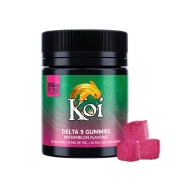
- Shop Koi Products | Buy Online | Chow420
- Shop Simple Leaf CBD Products | Buy Online | Chow420
Meanwhile, THC-heavy options like Tillmans Tranquils' flavored syrups are harder to access in Texas but remain listed for informational purposes:
- Tillmans Tranquils Cotton Candy Delta 9 THC Syrup - Indica - 420mg (Syrup)
- Tillmans Tranquils Mango Delta 9 THC Syrup - Hybrid - 420mg (Syrup)
To explore broader rankings and local business listings, shoppers can consult:
Legal and Tax Dynamics Deepen Market Unevenness
Texas's low-THC medical cannabis cap (1% by weight) remains among the strictest in the nation, limiting patient access and enrollment. Cannabis businesses operate under unfavorable tax treatment: under IRC §280E, they cannot deduct standard business expenses, resulting in effective federal tax rates as high as 70-85%. That gives alcohol competitors a structural advantage with standard corporate taxation.
These financial disparities, combined with aggressive legal stances, put hemp-THC retailers in Texas at a distinct disadvantage, constraining supply and raising prices for consumers.
Campaign Strategy and Policy Messaging
Paxton's political positioning links him to the alcohol industry's defense of market share amid declining beer sales. Opponents argue that restricting hemp-derived THC products serves those donors at the expense of consumer choice and small hemp businesses. As the 2027 GOP primary approaches, cannabis policy is becoming a central battleground, with challengers signaling support for expanding medical access.
- Q
- How are these changes affecting THC availability for hemp-THC shoppers in Texas?
- Access to intoxicating hemp-THC products has sharply declined due to emergency rules and legislative bans. Consumers are pivoting to CBD-only alternatives or turning to out-of-state sources.
- Q
- Why is the alcohol industry involved in cannabis policy debates?
- Alcohol trade groups have contributed heavily to political campaigns and lobbied against cannabis reform, likely to protect their market share as hemp-derived alternatives gain popularity.
- Q
- Are CBD consumers affected by these policy shifts?
- Non-intoxicating CBD products remain legal but face tighter oversight. Compliance requirements and age restrictions are increasing, affecting pricing and product availability.
- Q
- What should Texas hemp retailers do now?
- Retailers should prioritize transparency-lab testing, clear labeling, age verification-and diversify into CBD and CBG product lines to stay viable.
As the legal battle continues and campaign season heats up, Texas hemp-THC shoppers and businesses face an uncertain road ahead. Watch for shifts in policy and political alignment that could reopen access or cement the crackdown further.
Shop What You Just Read About
Every product is COA-verified and blockchain-anchored on Chow420.