




Massachusetts Ballot Fight and Its Ripple Effects on Hemp-Derived CBD/THC Shopping
Massachusetts Ballot Fight and Its Ripple Effects on Hemp-Derived CBD/THC Shopping
A wave of uncertainty is rolling through Massachusetts' hemp-derived CBD and THC marketplace as voters prepare to decide on Question 8 in the November 3, 2026 ballot. This vote aims to repeal legalized adult-use cannabis-a move that could dramatically reshape the landscape for hemp-derived cannabinoid shoppers, brands, and supply chains.
Disclaimer: This article is for informational purposes only and does not constitute medical or legal advice.
When the Ballot Question Threatens More Than Just Recreational Cannabis
Question 8 would repeal the legalized framework for adult-use cannabis in Massachusetts, ending licensed retail sales and home cultivation, though medical use and limited possession would remain permitted. The repeal could shutter hundreds of businesses and jeopardize thousands of jobs. It would also dismantle the regulated infrastructure that currently supports safe, tested products. Voters must decide whether to preserve or dismantle a mature system built over the past decade.
How Repeal Could Disrupt Hemp-Derived CBD/THC Supply Chains
- Manufacturers of hemp-derived CBD/THC products often rely on shared testing labs, distribution networks, and retail channels that overlap with adult-use cannabis. A repeal could strain this infrastructure, pushing more products into less transparent, unregulated channels.
- With licensed dispensaries potentially disappearing, shoppers may turn to gas stations or smoke shops for hemp-derived options-venues less equipped for age verification, labelling accuracy, and quality control.
Consumer Behavior in a Repeal Scenario
If adult-use cannabis sales vanish, shoppers seeking psychoactive effects may increasingly rely on hemp-derived products that skirt stronger regulation. This could elevate demand for higher-THC hemp derivates, potentially exposing consumers to inconsistent potency and labeling, and increasing the likelihood of inadvertent overconsumption.
Brand Strategy and Retail Readiness Amid Political Risk
Brands may pivot marketing strategies toward medical or wellness positioning, emphasizing CBD-forward formulations or low-THC profiles to align with a potentially more restrictive future. Retailers might stock more tinctures, topicals, or CBG-centric offerings that are less likely to be targeted by repeal efforts.
Regulatory Patchwork: State Law and Federal Gray Zones
Even without repeal, hemp-derived cannabinoid products exist in a gray area-federal rules cap total THC per package, and state law is still evolving. A repeal could further delay clarity by redirecting legislative and regulatory focus away from hemp-derived regulation and toward restoring the adult-use market instead.
Opportunities for Hemp-Derived Products if Question 8 Fails
Should voters reject the repeal, the regulated adult-use cannabis market remains intact-preserving infrastructure that benefits hemp-derived products too. Continued investment in lab testing, compliance, and retail transparency would support shopper confidence and market growth.
Where to Shop and What to Look For Now
- Explore trusted options like Shop Hemp Wellness Products | Buy Online | Chow420 for verified hemp-derived selections.
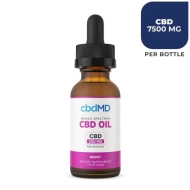
- Browse targeted offerings such as Shop Upaya Health, Shop CBDmd, or Shop Nama for precise cannabinoid ratios.
- Keep an eye on deals via Shop Hemp Wellness Deals and best-sellers at Shop Best-Selling Hemp Wellness.
- Check specific products like nama Euphoria Buzz Packs or cbdMD Deep Relax Tincture for current options.
- Track broader trends and business impact through the ChowIndex: Hemp Product Directory and ChowIndex: Hemp Businesses in Massachusetts.
- Q: How soon could hemp-derived products feel the impact if adult-use cannabis is repealed?
- A: The repeal would take effect as early as January 1, 2028, but uncertainty could begin affecting supply chains, retail behavior, and product availability well beforehand.
- Q: Would medical cannabis remain legal if the repeal passes?
- A: Yes. Repeal targets adult-use sales only. Medical cannabis programs and limited personal possession would stay intact.
- Q: Could repeal lead to more unregulated hemp-derived THC products on the market?
- A: Yes. Reduced oversight and fewer licensed outlets could push demand toward less regulated venues, increasing risks around potency, purity, and safety.
- Q: What should brands do to prepare?
- A: Diversify offerings toward wellness and medical positioning, emphasize low-THC or CBD-forward formulas, and stay agile in navigating shifting regulations.
As Massachusetts approaches the November 3, 2026 vote, hemp-derived CBD/THC shoppers and businesses face a pivotal moment. The outcome will determine whether the state maintains a robust, regulated cannabinoid market or risks fragmenting into uncertainty. Stay informed, stay prepared, and watch how the vote reshapes the future of hemp-derived shopping in the Commonwealth.
Shop What You Just Read About
Every product is COA-verified and blockchain-anchored on Chow420.