




Rhode Island Hemp Market on Edge as Federal THC Limits Loom
Rhode Island Hemp Market on Edge as Federal THC Limits Loom
On a windswept hemp field in Hopkinton, a farmer surveys rows of nearly harvested colas destined for THC-infused drinks. But the harvest may soon go unsold. A new federal rule set to take effect December 11, 2026 will cap hemp-derived products at just 0.4 milligrams of total THC per container-far lower than Rhode Island's current allowance of up to 1 mg per serving or 5 mg per package. The change threatens to disrupt a market where THC beverages already account for over 80 percent of $2.85 million in annual hemp sales.
Disclaimer: This article is for informational purposes only and does not constitute medical, legal, or regulatory advice.
How Rhode Island's Hemp-THC Beverage Boom Collided with Federal Caps
Rhode Island's hemp-derived THC beverage market has surged, with infused drinks and seltzers making up approximately 83 percent of the state's $2.85 million hemp segment in 2025. That success is built on state rules allowing up to 1 mg THC per serving and 5 mg per package.
But a federal shift to a "total THC" standard-limiting products to 0.4 mg per container-will render many current formulations noncompliant. Regulators have issued warnings that any product exceeding the new limit could face penalties starting December 11, 2026.
Decoding the Regulatory Tug-of-War: State Flexibility vs Federal Clampdown
State regulators, bound by Rhode Island law, are scrambling to interpret how to advise licensees under the new federal mandate. While state rules permit more potent formulations, the federal cap overrides those allowances and creates a compliance dilemma for producers.
At the same time, Rhode Island has imposed a moratorium on new hemp-derived consumable retail licenses at venues that also serve alcohol on-site. That move reflects growing concern over the combination of intoxicants in hospitality settings.
Market Ripples: What Farmers and Retailers Must Now Rethink
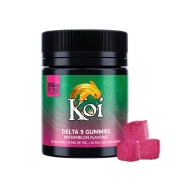
- Formulation Overhaul: Products like 5 mg THC seltzers and gummies now exceed the federal cap and will need reformulation.
- Inventory Risk: Existing stock may become unsellable unless adjusted or repackaged before December 11.
- Licensee Uncertainty: Growers and retailers await clear guidance from regulators who themselves are in limbo.
Inside the Chemistry: Why Hemp Became a THC Delivery Vehicle
The 2018 Farm Bill's 0.3 percent THC threshold by dry weight was intended to legalize agricultural hemp. But it failed to anticipate lab-enhanced products-like concentrated THC beverages-created a loophole. States like Rhode Island responded with their own dosage-based rules, enabling a wave of hemp-derived intoxicants.
Legislative Moves and Advocacy: Can the Tide Be Turned?
At the federal level, hemp advocates and some lawmakers are pushing to delay or soften the new cap, arguing it threatens a thriving industry. Rhode Island's attorney general has joined multistate letters urging Congress to reconsider the strict limits.
Meanwhile, state lawmakers introduced a "Hemp THC Beverage Act" to clarify regulatory authority, potentially shifting oversight of THC-infused beverages to the broader cannabis framework.
What Hemp-Derived THC Consumers Will Want to Know Next
- Q What happens to products already on shelves above the new THC cap?
- A Rhode Island regulatory bulletin indicates that any product exceeding 0.4 mg THC per container will be deemed noncompliant and potentially subject to enforcement actions starting December 11, 2026.
- Q Can producers reformulate existing beverages to meet the new limit?
- Yes-reformulation or repackaging to reduce total THC per container may be viable, but requires lab testing, updated labels, and possibly new packaging.
- Q Will Rhode Island offer exemptions or delays for small farms?
- As of now, no state-level exemptions have been granted. Regulators must enforce the federal cap, and any delay would need Congressional action.
- Q How does the moratorium on new licenses affect retailers?
- Businesses that combine alcohol service with hemp-derived THC sales cannot obtain new hemp-consumable licenses, tightening opportunities for expansion in mixed-use venues.
- Q Could this shift drive consumers toward licensed cannabis dispensaries?
- Potentially. If hemp-derived products disappear or shrink, consumers may migrate to cannabis retail channels, which allow higher THC thresholds under the cannabis-derived framework.
For hemp shoppers, this moment signals a turning point. Check our Shop Hemp Wellness Products | Buy Online | Chow420 section for compliant options, or explore alternatives like Tillmans Tranquils Blueberry Cheesecake Delta 9 THC Syrup or Tillmans Tranquils Cherry Pie THC Chill Gummies for products within evolving limits. You can also visit our ChowIndex: Hemp Product Directory or ChowIndex: Hemp Businesses in Rhode Island to track compliant brands and retailers.
As the December deadline approaches, Rhode Island's hemp ecosystem stands at a crossroads. Will businesses adapt to the new federal THC cap, or will this mark the end of a pioneering hemp-THC beverage era in the Ocean State? The next few weeks will determine which path the market takes.
Shop What You Just Read About
Every product is COA-verified and blockchain-anchored on Chow420.