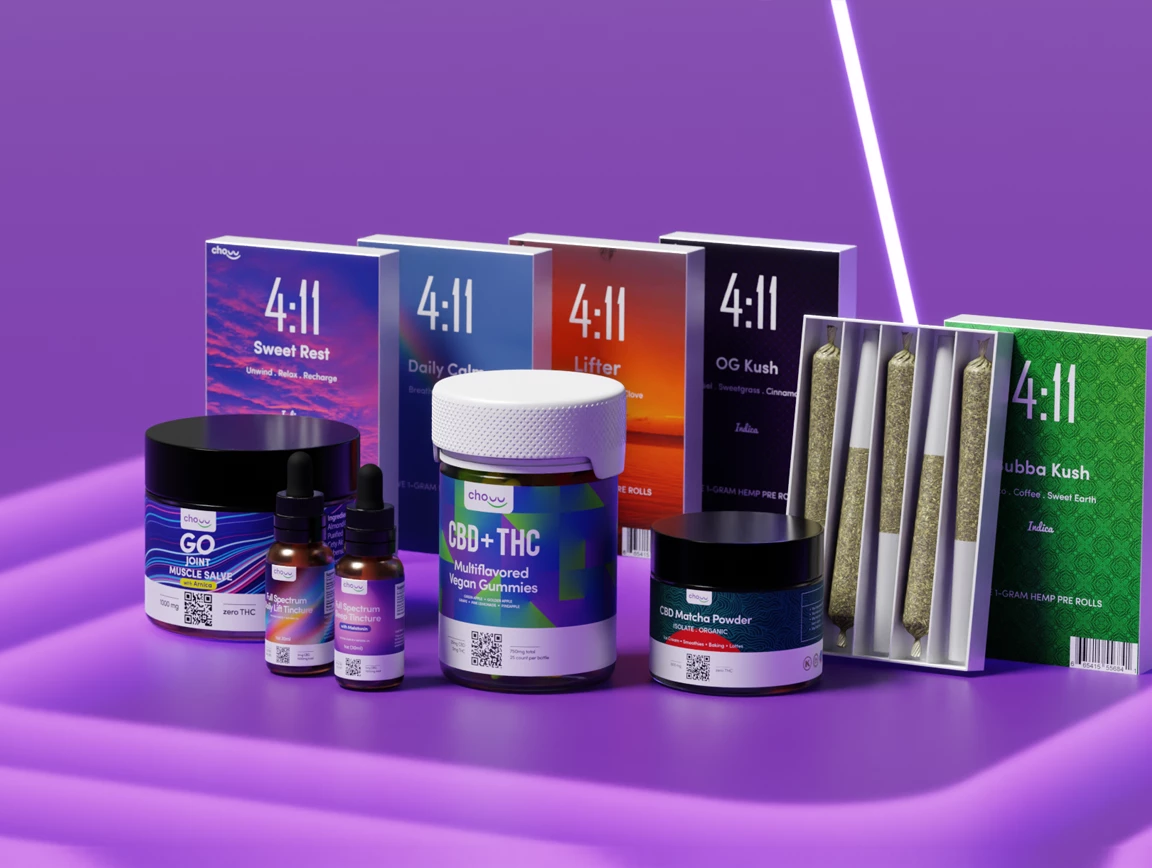
Summer Bundle BLAST · World Cup Sale · UP TO 60% OFF Summer BLAST · UP TO 60% OFF Stock the cooler · gift the crew · matchday-ready savings Shop Bundles →
Go back
Refer
$20
Refer
Get $20 in Chowcash when you refer friends, stores, and brands to Chow420. Your friends also get $20 towards their first purchase when they accept your invitation.
Login to Refer

<p>Learn more about wellness products on Vliso</p>

blog

Federal Cannabis Tax Snapshot: What Nearly $15 Billion in State Revenues Means for Hemp-Derived CBD/THC Shoppers

Federal Cannabis Tax Snapshot: What Nearly $15 Billion in State Revenues Means for Hemp-Derived CBD/THC Shoppers States collectively pulled in nearly $15 billion in tax revenue from legal marijuana sales between late 2021 and the first quarter of 2026, with Q1 2026 alone generating about $825 million. That surge in state-level cannabis funds is beginning to ripple through the hemp-derived CBD/THC market, affecting everything from product sourcing to consumer confidence. Disclaimer: This article is for informational purposes only and does not constitute medical or legal advice. State Tax Windfalls Reshape Hemp Product Supply Chains When states collect hundreds of millions each quarter from cannabis taxes, that money often supports regulatory infrastructure-inspections, tracking systems, licensing platforms-which in turn influences how hemp-derived CBD/THC products move through the supply chain. For example, states like California, Washington, Michigan, New York, Illinois, and Colorado-each pulling in tens of millions in Q1 alone-may reinvest into more robust compliance tools, raising the bar for lab testing and traceability. California reported $151.9 million in cannabis tax revenue in Q1 2026-more than any other state. Washington State followed with $98.9 million, Michigan $72.5 million, New York $69.6 million, Illinois $64.9 million, and Colorado $53.3 million. This kind of funding can fund better COA (Certificate of Analysis) standards and enforcement, indirectly elevating shopper expectations for hemp-derived products. Brands that prioritize lab transparency may gain an edge. Consumer Behavior Shifts Amid Greater Market Legitimacy As cannabis tax revenues mount, public perception shifts. When shoppers see states treating cannabis markets as serious economic engines, confidence in the broader hemp-derived CBD/THC sector grows. That legitimacy trickles down to products that skirt intoxicating thresholds yet still contain trace THC. Moreover, when adult-use cannabis revenue climbs, it can catalyze policy modernization-opening doors for clearer hemp-derived product definitions and labeling rules. Consumers may start demanding more precise potency indicators and sourcing details, especially where THC content hovers near legal limits. Brand Strategy: Navigating the Tax-Fueled Regulatory Terrain Brands in hemp-derived CBD/THC are increasingly strategizing around state-level tax landscapes. Heavy tax revenue states may tighten oversight, prompting brands to invest in compliance, third-party testing, and supply chain audits. In contrast, lighter-revenue states may offer more flexible retail environments, becoming testing grounds for innovative microdose or hybrid formulations. For example, California's robust tax intake can fund stricter enforcement, while emerging markets may remain more agile. Brands can tailor SKUs accordingly-emphasizing full-spectrum microdose lines in flexible states, and ultra-transparent, COA-backed offerings in tighter jurisdictions. Legal Patchwork and Shopper Risk Perception Despite federal prohibition, state-level tax revenue legitimizes local markets. Yet the patchwork remains: hemp-derived THC legality still varies widely, and enforcement is uneven. States flush with cannabis tax dollars may still crack down on unregulated hemp-derived products that mimic intoxicating effects without proper oversight. Shoppers may start viewing hemp-derived CBD/THC products through a regulatory lens, favoring those with clear lineage and state-compliant labeling. The tax revenue narrative reinforces the divide between regulated cannabis and loosely regulated hemp, prompting demand for legal clarity. Supply-Chain Pricing: Passing Tax Burdens and Opportunity As tax revenue grows, so do state budgets-and sometimes tax rates or compliance costs. That can inflate prices in legal cannabis markets, nudging budget-conscious consumers toward hemp-derived alternatives. Brands can position microdose or broad-spectrum CBD/THC blends as cost-effective yet compliant substitutes. Alternatively, rising costs may squeeze small hemp brands, prompting consolidation or innovation in cost-efficient production. The tax backdrop may accelerate product category shifts-such as concentrates, tinctures, or gummies with optimized THC/CBD ratios for affordability and compliance. Internal Resources and Shopping Paths To explore compliant hemp-derived CBD/THC options, check out our curated internal resources: Shop Hemp Wellness Products | Buy Online | Chow420 for a range of compliant offerings. Browse microdose gummy options like nama Anytime Microdose | 1mg THC | 20mg CBD | L-Theanine - 40 Count or nama Daytime Microdose | 1mg THC | 5mg THCV | 5mg CBG | 5mg CBD | B12. Compare product rankings in the ChowIndex: Brand & Product Rankings to see which brands lead in transparency and compliance. Discover broader product directories via ChowIndex: Hemp Product Directory. QHow does state cannabis tax revenue impact hemp-derived product pricing? QWhy are brands in high-revenue states investing more in lab testing? QDoes rising adult-use cannabis revenue make hemp-derived CBD/THC more or less accessible? QHow can shoppers identify hemp-derived products that comply with evolving state regulations? Looking ahead, as states continue to harvest cannabis tax revenue, we can expect regulatory systems to evolve-and with them, the hemp-derived CBD/THC market. Brands that preemptively align with tightening standards and shoppers who prioritize transparency will be best positioned in this shifting landscape....

blog

Federal Redefinition of Hemp Poised to Upend Intoxicating CBD/THC Market

Federal Redefinition of Hemp Poised to Upend Intoxicating CBD/THC Market As the clock ticks toward November 12, 2026, a seismic regulatory shift is looming over the intoxicating hemp product category. Lawmakers have redefined "hemp" to impose a strict total THC cap per container and ban synthesized or converted cannabinoids-threatening the very foundation of the current CBD/THC product ecosystem. Disclaimer: This article is for informational purposes only. It does not constitute legal or medical advice. What the New Regulation Means for Hemp-Derived CBD/THC Shoppers Under the newly enacted federal framework, hemp is redefined using a "total THC" threshold rather than just delta-9 THC content. This means all THC isomers-including THCA, delta-8, delta-10, HHC-and synthetic analogues now count toward the limit. Any product exceeding 0.4 milligrams of total THC per package will be federally illegal. Moreover, cannabinoids manufactured outside the plant or marketed as having effects similar to THC are explicitly banned. This effectively removes the legal status of most intoxicating hemp offerings.([akerman.com](https://www.akerman.com/en/perspectives/congress-enacts-sweeping-recriminalization-of-hemp-derived-thc-products-in-federal-spending-bill-ending-government-shutdown.html)) Why This Redefinition Marks a Compliance Cliff for Consumers and Retailers The shift dismantles the so-called "hemp loophole" created by the 2018 Farm Bill, which allowed intoxicating cannabinoids to proliferate under delta-9 THC limits. Now, products like THCA flower, delta-8 gummies, and HHC beverages-once commonplace in convenience stores and online-will fall outside federal legality. The result is a looming compliance cliff: retailers will need to reevaluate inventory, consumers may lose access to familiar products, and the supply chain could face abrupt disruption.([budpedia.com](https://budpedia.com/articles/2026-farm-bill-hemp-intoxicating-product-ban)) Strategic Shifts in Retail and Product Positioning For hemp wellness retailers and brands, this is a strategic inflection point. Companies must triage product lines to ensure legal alignment, especially for items that skirt the new THC threshold. Retailers should prioritize transparent testing protocols, update contracts to account for regulatory shifts, and consider pivoting toward non-intoxicating CBD formulations that comply with the new definition. Advocacy efforts are also gaining urgency, with proposals emerging to replace the ban with a regulated framework for intoxicating hemp products.([sheppard.com](https://www.sheppard.com/insights/blogs/cannabis-in-2026-part-ii-hemp-tightening-in-2026-the-compliance-cliff-cbd-carve-out-signals-and-business-risk)) Consumer Behavior: From Convenience to Caution Consumers who relied on hemp-derived THC alternatives-especially in non-legal cannabis states-now face a narrowing of options. Without regulated access, some may turn to unregulated markets, raising safety and quality concerns. This shift could also drive demand toward state-regulated cannabis markets, where access is maintained under licensure and testing standards.([healthline.com](https://www.healthline.com/health-news/federal-ban-hemp-thc-products-could-limit-cbd-access)) Regulatory Ripple Effects Across Healthcare and Public Policy The new definition doesn't just impact retail-it also threatens emerging health programs. For example, Medicare and Medicaid pilot programs offering reimbursement for hemp-derived products may be undermined if the products fall outside legal definitions. This could reverse progress toward integrating cannabinoid wellness into public health systems.([theguardian.com](https://www.theguardian.com/us-news/2026/may/17/hemp-ban-medicare-medicaid)) What This Means for Brands and the Future of Hemp Wellness Brands must adapt quickly. Those specializing in full-spectrum CBD may need to reformulate to eliminate any THC, or shift focus toward broad-spectrum and isolate-based products. Meanwhile, the industry's attention is turning to proposed legislation that would regulate intoxicating hemp rather than ban it outright-potentially offering a lifeline if passed.([convenience.org](https://www.convenience.org/stay-current/news/2026/february/16/1-fight-to-keep-hemp-derived-thc-in-c-stores_gr)) How to Navigate the Transition: Action Steps for Shoppers and Retailers Stock up now on favorite hemp-derived THC products before the November 12, 2026 deadline. Watch for reformulated products labeled explicitly as compliant with total THC limits. Check for updated lab testing and COAs reflecting total THC content and absence of banned cannabinoids. Engage with advocacy groups or check for new legislation that may preserve access under regulated frameworks. Related Topics for Further Reading Shop Hemp Wellness Products | Buy Online | Chow420 Tillmans Tranquils Strawberry Lemonade THC Gummies, 15mg CBD, 15mg THC Tillmans Tranquils CBD:THC Gummies for Sleep - Blackberry ChowIndex: Hemp Product Directory ChowIndex: Brand & Product Rankings Frequently Asked Questions QWhy will even trace-THC full-spectrum CBD products become illegal? QHow can I identify products that meet the new 0.4mg total THC per container limit? QAre non-intoxicating CBD isolates still legal after November 2026? QWill state-legal cannabis markets absorb demand for banned hemp-derived THC products? QIs there a chance that new legislation will reinstate regulated access to intoxicating hemp products? Looking ahead, the hemp-derived CBD/THC market is at a crossroads. The next months will determine whether reforms emerge to preserve consumer access within a regulated framework-or whether the category will shrink under federal prohibition. Stay informed, check labels, and be ready to pivot....

blog

Vermont's SB278 Paves New Path for Hemp-Derived CBD/THC Amid Increased Possession Limits

Vermont's SB278 Paves New Path for Hemp-Derived CBD/THC Amid Increased Possession Limits A subtle but strategic shift is unfolding in Vermont's cannabis landscape: SB278, now pending the governor's signature, doubles adult-use cannabis possession and transaction limits while enabling new event and delivery permits and laying the groundwork for interstate cannabis commerce. Disclaimer: This article is for informational purposes only and does not constitute medical or legal advice. Doubling Down on Possession: What SB278 Actually Changes The legislation raises the legal purchase and possession threshold for adults from one ounce to two ounces of cannabis flower, and doubles hashish limits from five grams to ten grams, eliminating misdemeanor penalties for amounts that previously crossed the threshold. These changes are slated to take effect on July 1, 2026, if the governor signs the bill. It also authorizes pilot event and delivery permits for licensed businesses and empowers the governor to negotiate interstate cannabis agreements if federal restrictions ease.([norml.org](https://norml.org/blog/2026/06/01/vermont-lawmakers-advance-bill-to-governor-doubling-adult-use-marijuana-possession-limits/)) Hemp-Derived CBD/THC Caught in Vermont's Tight Regulatory Web Vermont already treats hemp-derived intoxicating products-those exceeding low-THC thresholds or with certain CBD-to-THC ratios-as cannabis, mandating sale through licensed dispensaries. That framework remains unchanged by SB278. While the bill expands access for adult-use cannabis, hemp-derived products with total-THC above defined limits continue to be regulated as cannabis, limiting their availability through hemp retailers.([chow420.com](https://chow420.com/blog/cbd-thc-news-2026-06-21-2238-vermonts-sb278-how-doubling-possession-limits-and-interstate-plans-r)) Consumer Behavior: CBD Still Dominates, THC Derivatives Lag Market data shows cannabidiol (CBD) remains the most commonly used alternative cannabinoid, with about 28% of adults reporting use in the past month. In contrast, usage of delta-8 THC, delta-10, THCA, HHC, and hemp-derived delta-9 remains low-typically between 2% and 28%. This suggests that hemp-derived intoxicants still lack mainstream traction, even as regulatory shifts unfold.([legislature.vermont.gov](https://legislature.vermont.gov/Documents/2026/Workgroups/House%20Ways%20and%20Means/Cannabis%20Revenue/W~James%20Pepper~Cannabis%20Market%20Update~4-29-2026.pdf)) Retail and Brand Strategy: Two Distinct Pathways Hemp retailers: Must emphasize low-THC, high-CBD wellness products and steer intoxicating SKUs toward dispensaries. Dispensaries: Positioned to gain market share if interstate commerce materializes, potentially offering broader inventories and competitive prices. Brands: Those producing hemp-derived THC may benefit from new supply dynamics-but must navigate Vermont's total-THC rules and packaging limits carefully. Regulatory Nuance: Federal Redefinition Looms Large On the federal level, a sweeping redefinition of hemp will take effect on November 12, 2026, limiting total-THC per container to just 0.4 mg and excluding synthesized cannabinoids like delta-8 or HHC. This change threatens to outlaw most intoxicating hemp products nationally. Vermont's own regulatory posture aligns with this tightening trend, and SB278's interstate commerce clause may become a critical lever-if federal law evolves.([legalclarity.org](https://legalclarity.org/state-level-cbd-laws-bans-and-thc-limits/)) Retail Adjustments and Internal Links Shoppers and retailers should explore curated wellness options such as Tillmans Tranquils Relax Gummies Mango or browse the ChowIndex: Hemp Product Directory and ChowIndex: Brand & Product Rankings for guidance on compliant hemp-derived products. For general purchases, visit Shop Hemp Wellness Products | Buy Online | Chow420. FAQ QWill SB278 allow hemp-derived THC products to be sold interstate immediately? ANo. SB278 enables negotiation for interstate commerce if federal laws change, but Vermont's total-THC rules still restrict intoxicating hemp products to licensed dispensaries. QCan I still buy intoxicating hemp products in Vermont hemp stores? ANo. Vermont law already restricts intoxicating hemp (e.g., delta-9 over low-THC thresholds) to cannabis dispensaries, not hemp retail outlets. QHow will doubling possession limits affect hemp-derived CBD shoppers? AThis change primarily affects legal cannabis thresholds. CBD shoppers are unlikely to see direct impact unless they also purchase hemp-derived THC products that cross into cannabis territory. QWhat should hemp brands do now in Vermont? AFocus on compliant low-THC, high-CBD formulations. Monitor federal redefinition developments and SB278's interstate commerce framework as potential opportunities for expansion. Looking Ahead: A Regulatory Crossroads As SB278 moves toward enactment, Vermont's hemp-derived CBD/THC market stands at a crossroads. With possession limits doubling and interstate commerce on the horizon, dispensaries may expand reach while hemp retailers sharpen their wellness focus. But federal rules tightening total-THC thresholds may override state-level shifts. The months ahead will reveal whether Vermont's forward-looking stance positions it as a regulatory leader or simply a state caught between evolving laws....

blog

North Carolina's Hemp-Derived THC Market Faces Federal Redefinition and Ballot Vote Uncertainty

Hemp-Derived THC in North Carolina Caught Between Ballot Hope and Federal Redefinition North Carolina's burgeoning hemp-derived THC market-home to THCA flower, delta-8 vape carts, and THC-infused edibles-now finds itself in a legislative limbo. A proposed ballot measure could let voters weigh in on cannabis legalization, yet a sweeping federal redefinition of hemp looms this November, threatening to render most intoxicating hemp products technically illegal despite state law protections. Disclaimer: This article is for informational purposes only and does not constitute medical or legal advice. State Law Still Shields Hemp-Derived THC-for Now As of mid-2026, North Carolina law continues to allow hemp-derived products such as THCA flower and delta-8 edibles to be sold at retail. Session Law 2022-32 (SB 455) permanently excludes tetrahydrocannabinols found in hemp products from state controlled-substance scheduling, so long as they meet the delta-9 THC ? 0.3% dry-weight threshold. There are no statewide age restrictions, serving limits, or retailer licensing mandates under current law. However, this permissive environment is entirely state-driven. Federal legislation (P.L. 119-37) will redefine hemp to include total THC-not just delta-9-and impose a 0.4 mg per container cap, effective November 12, 2026. That change threatens to pull the rug out from under the state's unregulated intoxicating-hemp market unless Congress acts or North Carolina moves quickly to adapt. Ballot Measure Sparks Hope but Faces Political Headwinds Senate Bill 1072, introduced by Democratic legislators, aims to place two constitutional amendments on the November ballot: one to legalize recreational cannabis possession in limited amounts, and another to legalize medical cannabis for patients with qualifying conditions. If passed, the legislature would then be required to enact a regulated framework. While public polling shows strong support-over 70 percent in favor-Republican leadership has signaled skepticism, calling the bill's prospects uncertain. Even if SB 1072 passes, it does not currently define possession limits or establish a licensing or distribution system. Regulatory Strategy: Market Survival in the Balance This dual pressure-from a looming federal crackdown and a stalled state legalization effort-forces hemp retailers and brands to choose between two survival strategies: Push for urgent state legislation to create a hemp-derived THC regulatory framework that could potentially preserve product access after the federal redefinition takes effect. Support the ballot initiative to legalize cannabis and shift the market into a regulated adult-use or medical cannabis environment, giving businesses a path forward. Either path requires legislative momentum that has so far eluded advocates. Multiple 2025 bills aimed at regulating intoxicating hemp-covering licensing, age limits, retailer oversight, and lab testing-failed to become law. HB 328, which passed the Senate in a rewritten form, never advanced in the House. The window for meaningful state action is rapidly closing. Implications for Consumers, Retailers, and Brands Consumers face uncertainty: products widely available today may vanish or be federally banned next fall. Retailers must weigh investment risks-whether to stock up now or pivot toward future medical or recreational cannabis compliance. Brands, especially those with interstate distribution, must monitor both federal enforcement shifts and North Carolina's legislative developments to avoid running afoul of new definitions. Meanwhile, the ballot measure offers a potential lifeline-but only if it gains traction quickly and secures legislative follow-through. Until then, the state's hemp-derived THC industry remains on a collision course with federal law. Key Decision Points for Stakeholders Monitor the progress of SB 1072 and any companion bills in the General Assembly. Track federal enforcement plans for the November 2026 hemp redefinition. Advocate for state-level regulatory bills that could shield existing products from being swept up in the federal ban. Prepare for a pivot-whether into a regulated cannabis market or a scaled-back hemp business model. Explore our internal resources for product options and regional supply trends: Shop Hemp Wellness Products | Buy Online | Chow420 Tillmans Tranquils THC Grape Syrup - Indica - 420mg (Syrup) Tillmans Tranquils Mango Delta 9 THC Syrup - Hybrid - 420mg (Syrup) ChowIndex: Hemp Product Directory ChowIndex: Hemp Businesses in North Carolina Shop Hemp Wellness Products | Buy Online | Chow420 (second reference) Tillmans Tranquils Cherry Delta 9 THC Syrup - Indica - 420mg (Syrup) ChowIndex: Brand & Product Rankings QWill THCA and delta-8 products remain legal in North Carolina after November 12, 2026? ANot necessarily. Federal law will redefine hemp to include total THC, with a 0.4 mg per container cap-making most intoxicating hemp products illegal unless state legislation intervenes. QWhat happens if the ballot measure passes? AIf voters approve the amendments, the legislature must enact laws governing recreational and medical cannabis-but timing and details remain unspecified. QCan current hemp-derived THC businesses convert to licensed cannabis operations? APotentially-but only if the ballot measure passes and the legislature creates a regulatory framework, including licensing and distribution systems. Looking ahead, North Carolina's hemp-derived THC landscape hinges on whether state lawmakers act before the federal deadline or whether voters step in this November. Either could reshape the industry-or leave it scrambling for survival....

blog

Vermont's SB278: How Doubling Possession Limits and Interstate Plans Reshape Hemp-Derived CBD/THC Access

Vermont's SB278: How Doubling Possession Limits and Interstate Plans Reshape Hemp-Derived CBD/THC Access A quiet but consequential shift has emerged in Vermont: SB278, now awaiting the governor's signature, doubles the legal limits on adult cannabis possession and purchase-and for the first time builds in a framework for interstate cannabis trade, anticipating future federal reform. For shoppers of hemp-derived CBD/THC, this signals both opportunity and complexity. Disclaimer: This article is for informational purposes only and does not constitute medical or legal advice. SB278's Key Provisions and Their Strategic Implications The bill raises the legal purchase and possession limit from one ounce to two ounces of marijuana, and doubles the hashish threshold from five to ten grams-removing criminal penalties for amounts that previously triggered misdemeanor charges. It also authorizes cannabis businesses to host public events and empowers the governor to negotiate interstate commerce agreements if federal restrictions ease. These changes reflect a forward-looking regulatory strategy, positioning Vermont as ready for cross-state cannabis integration.([themarijuanaherald.com](https://themarijuanaherald.com/2026/05/vermont-double-marijuana-2/)) What This Means for Hemp-Derived CBD and THC Products Vermont already applies strict rules on hemp-derived intoxicants. Products with total-THC above 10 mg per package-or failing the 20:1 CBD-to-THC ratio-must be sold through licensed cannabis dispensaries, not general hemp retailers. That means many hemp-derived delta-9, delta-8, or THCA products are already restricted.([cannabisregulations.ai](https://www.cannabisregulations.ai/state-legality/vermont-delta-9)) Now with SB278 raising possession limits and opening the door to interstate commerce, hemp-derived items may face shifting market dynamics. If federal law evolves, these products could enter broader distribution-but Vermont may still confine them to adult-use dispensaries, reinforcing the role of regulated channels. Consumer Behavior and Market Competition Recent studies show that while CBD remains the most used alternative cannabinoid, usage of delta-8, delta-10, THCA, and hemp-derived delta-9 remains low. Consumers are sensitive to potency, price, and product availability-more so than retail proximity.([legislature.vermont.gov](https://legislature.vermont.gov/Documents/2026/Workgroups/House%20Ways%20and%20Means/Cannabis%20Revenue/W~James%20Pepper~Cannabis%20Market%20Update~4-29-2026.pdf)) Under SB278, dispensaries may capture more demand-especially if interstate commerce increases supply and drives prices down. Hemp retailers, in contrast, may continue to focus on non-intoxicating CBD products, while dispensaries become the go-to for higher-THC hemp derivatives. Retail and Brand Strategy Shifts in Vermont Hemp retailers may need to sharpen their positioning around low-THC, high-CBD wellness products, while steering intoxicating SKUs toward dispensaries. Brands aiming to market hemp-derived THC may find new opportunities if interstate commerce expands, but must navigate Vermont's total-THC rules and packaging regulations. Dispensaries could see increased foot traffic and inventory diversification if SB278's interstate framework materializes. Regulatory Nuance: Total-THC Rules and Federal Redefinition Vermont's Cannabis Control Board already employs a post-decarboxylation total-THC formula and enforces the 10 mg per package cap unless CBD-to-THC ratio is high. That means intoxicating hemp products are effectively treated as cannabis.([cannabisregulations.ai](https://www.cannabisregulations.ai/state-legality/vermont-delta-9)) Meanwhile, a pending federal change will redefine hemp to limit total THC to just 0.4 mg per container by November 12, 2026-threatening most existing intoxicating hemp products nationwide. Vermont's tighter rules already mirror this shift, though the federal cap is even stricter.([cannabisregulations.ai](https://www.cannabisregulations.ai/state-legality/vermont-delta-9)) SB278's interstate commerce provision may become a lever for Vermont to engage with other states on a harmonized system, but only if federal law aligns. How Vermont's Law Compares to Other State Moves States like Illinois are already folding intoxicating hemp into their cannabis regulatory systems, moving sales from general retail to licensed dispensaries. Illinois's new law, effective this November, integrates intoxicating hemp under adult-use cannabis rules-much like Vermont already does de facto.([axios.com](https://www.axios.com/local/chicago/2026/06/17/illinois-new-hemp-law-thc-pritzker-cannabis-drinks-dispensaries)) Vermont's SB278 may accelerate this trend, reinforcing the dispensary channel while keeping general hemp retail focused on non-intoxicating wellness products. Internal Resources for Shoppers and Retailers Explore more on Vermont's regulatory landscape and product options: Vermont Hemp Laws & Cannabinoid Rules - Compliance Guide Is CBD Legal? (State-by-State) Shop Hemp Wellness Products | Buy Online | Chow420 for non-intoxicating CBD options nama Anytime Gummie, 10mg CBD per Gummy for low-THC edibles Tillmans Tranquils Cherry Delta 9 THC Syrup - Indica as an example of hemp-derived THC product (dispensary only) Check our ChowIndex: Hemp Product Directory and ChowIndex: Brand & Product Rankings for curated hemp-CBD and THC selections. Q: Will SB278 allow hemp-derived THC products to be sold interstate immediately? A: Not yet-SB278 enables negotiation for interstate commerce if federal laws change, but Vermont's own total-THC rules still restrict intoxicating hemp products to licensed dispensaries. Q: Can I still buy intoxicating hemp products in Vermont hemp stores? A: No-Vermont law already restricts intoxicating hemp (e.g., delta-9 over 10 mg) to cannabis dispensaries, not hemp retail outlets. Q: How will doubling possession limits affect hemp-derived CBD shoppers? A: The change primarily affects legal cannabis thresholds. CBD shoppers are unlikely to see direct impact, unless they also purchase hemp-derived THC products that cross into cannabis territory. Q: What should brands do now in anticipation of SB278 and federal changes? A: Brands should prepare for stricter THC caps, refine packaging compliance, and consider dispensation strategies through licensed channels, while monitoring interstate frameworks. Q: Could hemp retailers pivot to focus more on CBD wellness products? A: Yes-given regulatory limitations on intoxicating hemp, general retailers may find growth opportunities in non-intoxicating CBD lines. As Vermont stands ready to double possession limits and explore interstate cannabis commerce, the hemp-derived CBD/THC landscape faces both tightening constraints and new strategic openings. Brands, retailers, and consumers should stay attuned to how SB278 interacts with federal shifts-and how dispensaries may emerge as the central channel for intoxicating hemp products in the months ahead. Looking ahead, the interplay of SB278, Vermont's total-THC rules, and federal hemp redefinition will define whether intoxicating hemp derivatives remain niche or become integrated into a broader multi-state regulated cannabis ecosystem-making now a critical moment for adaptation and positioning....

blog

DEA's June Cannabis Rescheduling Hearing Draws Only Opponents - What Hemp-Derived Shoppers Should Watch

DEA's June Cannabis Rescheduling Hearing Draws Only Opponents - What Hemp-Derived Shoppers Should Watch The Drug Enforcement Administration has set a June 29 to July 15, 2026 administrative hearing to consider moving all marijuana-including recreational forms-from Schedule I to Schedule III. Notably, only parties opposing rescheduling have been invited to participate, a decision that could shape the hearing's tone and downstream effects on hemp-derived CBD/THC markets. Disclaimer: This article is for informational purposes only and does not constitute medical or legal advice. How the Hearing's One-Sided Participant List Alters the Regulatory Narrative Only opposition groups-such as certain state law enforcement agencies, anti-cannabis advocacy organizations, and a handful of experts-have been selected to present at the June hearing. This creates an asymmetrical debate that risks skewing the administrative record toward resistance to rescheduling. Yet legal experts note that invited participants do not determine outcomes; the administrative law judge weighs the full evidentiary record, including submissions from non-participants. This dynamic matters for hemp-derived CBD/THC shoppers because rescheduling could bring sweeping changes-from tax relief to insurance and research access. If rescheduling gains traction despite the hearing's one-sided nature, the policy shift may still unlock tangible benefits for hemp-derived product markets. Why Hemp-Derived CBD/THC Buyers Should Track the Outcome 280E Tax Relief: If all marijuana moves to Schedule III, recreational cannabis businesses could qualify for standard business deductions-dramatically reducing tax burdens. That may indirectly pressure hemp-derived product pricing and competition. Regulatory Clarity: Rescheduling could open pathways for clearer federal oversight of cannabinoid products, including CBD/THC blends, even if hemp-derived items are not directly part of the hearing. Market Strategy Shifts: Brands may reposition around medical vs. recreational categories depending on rescheduling outcomes, altering how CBD/THC offerings are marketed and distributed. Research Expansion: Broader Schedule III status could ease barriers to clinical studies that include hemp-derived cannabinoids, potentially driving innovation and consumer confidence. Operational Deadlines and Their Ripple Effects State-licensed medical cannabis operators had until June 22, 2026 to register with the DEA to maintain protected operating status under Schedule III. This deadline underscores the bifurcated nature of the current system-medical operators now enjoy federal recognition, while recreational and hemp-derived markets remain in regulatory limbo. That bifurcation may accelerate strategic shifts: hemp-derived brands could align more closely with medical pathways or highlight compliance features to differentiate themselves in a changing legal landscape. Internal Links to Help You Navigate Related Resources For hemp-derived CBD/THC shoppers, it's worth exploring these internal resources: Shop Hemp Wellness Products | Buy Online | Chow420 - browse compliant offerings nama Anytime Gummie, 10mg CBD per Gummy - a popular hemp-derived option Tillmans Tranquils THC Grape Syrup - Indica - a high-potency THC syrup ChowIndex: Hemp Product Directory - explore a wide range of products ChowIndex: Brand & Product Rankings - see how hemp-derived products stack up Is CBD Legal? (State-by-State) - check your local rules FAQ: What Hemp-Derived Shoppers Ask After Reading This Q: Will the hearing outcome let hemp-derived THC products be sold nationwide? A: Not directly. The hearing addresses marijuana rescheduling-not hemp laws. However, a shift in federal classification could influence FDA and Treasury policy, which may trickle into hemp-derived regulation. Q: Could hemp-derived brands qualify for 280E tax relief if rescheduling passes? A: Possibly, but only if hemp-derived THC is reclassified under federal law. Right now, hemp-derived products remain in a separate regulatory category under the Farm Bill. Q: Does the one-sided hearing mean rescheduling is unlikely? A: Not necessarily. While only opponents are presenting, the judge considers all submitted evidence. Rescheduling could still advance based on scientific, legal, and treaty arguments. Q: Should hemp-derived businesses register with DEA like medical cannabis operators? A: No-registration applies only to state-licensed medical cannabis under the new Schedule III rule. Hemp-derived products remain outside that registration framework. Q: How soon could a ruling impact hemp-derived product pricing or availability? A: If rescheduling moves forward, we could see indirect market effects-like tax shifts or regulatory guidance-late 2026 or into 2027, depending on legal challenges. Looking Ahead: What Hemp-Derived Shoppers Should Monitor As the hearing unfolds, hemp-derived CBD/THC shoppers should watch for signs of federal policy realignment-particularly around tax, research, and regulatory authority. While the participant list may be one-sided, the broader implications could ripple across hemp markets, shaping how products are priced, positioned, and trusted. Stay tuned to the outcome of the hearing and any subsequent rulemaking that may redraw the boundaries between hemp-derived and traditional cannabis markets....

blog

Supreme Court Ruling Redefines Rights for Hemp-Derived CBD/THC Consumers and Gun Ownership

Supreme Court Decision Shifts Legal Landscape for Hemp-Derived CBD/THC Consumers The Supreme Court's unanimous ruling in United States v. Hemani marks a pivotal moment for cannabis consumers-especially those using hemp-derived CBD or THC products. In a decision issued June 18, 2026, the Court held that federal law cannot categorically disarm individuals who use cannabis unless there is evidence they are dangerous or incapacitated. This nuanced judgment reshapes the legal risk profile for many hemp-derived product shoppers. Disclaimer: This article is for informational purposes only and does not constitute medical, legal, or financial advice. How the Hemani Ruling Alters Federal Gun Restrictions for Cannabis Users The Court found that the blanket prohibition under 18 U.S.C. §922(g)(3)-which bars firearm possession by "unlawful users of controlled substances"-fails the Second Amendment test when applied to moderate cannabis users without individualized proof of danger or impairment. Justice Gorsuch emphasized that historical analogues exist only for individuals so impaired they were "incapable of managing their affairs," not for occasional or mild users. This sets a precedent: hemp-derived CBD/THC consumers who use products occasionally, such as a mild gummy for sleep, may not automatically lose their gun rights-unless the government can prove they pose a risk. Consumer Confidence and Market Behavior: A New Era For hemp-derived CBD/THC shoppers, this ruling reduces a significant legal stigma. Many consumers hesitated to use intoxicating hemp products out of fear of losing Second Amendment protections-even in states where cannabis use is legal. Now, average users may feel more secure, potentially increasing demand for mild hemp-derived products. Retailers and brands may respond by highlighting compliance and moderate use in their marketing. Shoppers might gravitate toward products marketed for wellness or occasional use-like microdose gummies-rather than high-potency concentrates, aligning with the ruling's emphasis on non-impairment. Regulatory Implications for Hemp-Derived Product Labels and Messaging Although the ruling does not alter federal scheduling or THC limits, it pressures regulators and brands to clarify usage guidance. Labeling that emphasizes low-dose, non-impairing formats may become more than marketing-it could be a legal safeguard for consumers concerned about firearm rights. This aligns with the ongoing shift toward a "total THC" standard set to take effect November 2026, which caps total THC per container and targets high-potency products. Hemp-derived CBD/THC sellers may pivot to formats that clearly stay within low-dose thresholds. Legal Patchwork and State-Level Variability While the ruling addresses federal law, it does not override state gun regulations or cannabis policies. Hemp-derived product consumers must still navigate a patchwork of state rules regarding both cannabis use and firearm possession. In some jurisdictions, state law may still restrict firearm rights for cannabis users, even if federal law no longer does. This reinforces the importance of context-specific guidance and product selection. Consumers in states with restrictive policies may favor products that emphasize non-intoxicating use or CBD-only formulations. Strategic Moves for Brands and Retailers in the Wake of the Ruling Highlight low-impairment formulations and usage guidance in product descriptions. Feature microdose or mild products-such as nama Anytime Microdose gummies-in visible displays, reinforcing compliance and consumer peace of mind. Educate staff in dispensaries and shops-such as Shop Hemp Wellness Products | Buy Online | Chow420-about the ruling's limits and applicability. Link to trusted resources like the ChowIndex: Brand & Product Rankings to help shoppers compare low-dose hemp offerings. Use internal anchors like nama Anytime Microdose 20-count and nama Anytime Microdose 10-count to showcase product options aligned with the ruling's safe-use profile. FAQ Q: Does this ruling mean all cannabis users can own guns? A: No. The ruling applies only to users who are not shown to be impaired or dangerous. Addicts or individuals currently intoxicated may still be restricted. Q: Can I cite this ruling if stopped under state law? A: This decision pertains to federal law. State laws may still impose restrictions, so consult local guidance before relying on it. Q: Should I choose low-THC hemp products now? A: If firearm rights are a concern, opting for mild or non-impairing formats may reduce legal risk and align with the Court's reasoning. Q: Will brands need to update labels after this ruling? A: While not required, updating labels to emphasize moderate use, dose, and impairment guidance may benefit both compliance and consumer trust. Looking ahead, hemp-derived CBD/THC consumers and brands are entering a more nuanced legal era. As federal gun restrictions relax for non-impairing users, the market may shift toward more transparent, low-dose offerings-reshaping product strategy, retail messaging, and consumer confidence in subtle but meaningful ways....

blog

Colorado Teen Cannabis Use Keeps Falling as Legal Market Struggles

Colorado Teen Cannabis Use Keeps Falling as Legal Market Struggles Colorado's long-term drop in cannabis use among teens continues to flatten the curve even as the state's adult legal cannabis industry faces mounting pressure from oversupply, price erosion and shifting fiscal expectations. Disclaimer: This article is for informational purposes only and does not constitute medical or legal advice. Teen Use Trends Outpace Expectations in First Legal Market For over a decade following adult-use legalization, Colorado has seen a consistent decline in adolescent cannabis use. National survey data show a sustained downward trend in teen cannabis consumption since the late 1990s, and Colorado mirrors that trajectory despite opening one of the first regulated adult-use markets in 2014. Recent findings continue to reinforce that legalization with age-restrictions and regulated retail frameworks can coexist with reduced youth use. At the national level, youth cannabis use rates have been on a steady decline for years, dropping from peak levels in the late 1990s to significantly lower figures by 2023. Colorado's experience aligns with this broader trend, reinforcing the narrative that regulated adult-use markets do not necessarily drive teen use upward. Adult Market Pressure Doesn't Echo in Teen Behavior Meanwhile, Colorado's adult legal cannabis industry is facing a harsh market correction. Sales have slumped from a high of $2.2 billion in 2021 to around $1.3 billion in 2025. Oversupply, competition from newly legalized neighboring states, and the emergence of intoxicating hemp products are dragging down revenue. Retail flower prices have reached record lows, averaging around $607 per pound-down from $655 the previous year. These adult-market headwinds, however, show no correlation with the ongoing decline in teen use. In fact, the tightening market may reinforce regulatory vigilance and age-verification enforcement, further insulating youth from access. What This Means for Hemp-Derived THC/CBD Shoppers For hemp-derived CBD/THC shoppers, the diverging trajectories of teen and adult markets carry several implications: Regulatory frameworks that prioritize strict ID checks and licensed retail can effectively limit underage access-even amid market shifts. Oversupply and low prices in the adult market may pressure hemp-derived brands to innovate on potency, product form, or branding to maintain differentiation. Budgetary reliance on cannabis tax revenue is showing signs of fragility, which could trigger future regulatory recalibration affecting hemp-derived product taxes or licensing. Anchoring the Shopper Journey in a Shifting Landscape For consumers navigating the hemp-derived market, staying informed about regulatory changes and market dynamics is increasingly important. The continued decline in teen use suggests that compliance matters-but adult market softness means brands and retailers need to stay agile, adjusting pricing strategies, ensuring product quality, and reinforcing consumer trust. Explore our Shop Hemp Wellness Products | Buy Online | Chow420 for curated selections. Dive deeper into legal nuances with Is CBD Legal? (State-by-State) and track evolving statutes via Hemp State Laws (State-by-State). To compare products and brands, see the ChowIndex: Brand & Product Rankings or explore the broader ChowIndex: Hemp Product Directory. Frequently Asked Questions QCould the adult market decline lead to relaxed enforcement that affects teen access? ASo far, teen usage continues to decline, suggesting enforcement remains effective. But ongoing surveillance is essential to ensure access controls remain strong even during market downturns. QAre hemp-derived intoxicating products contributing to teen use? AThere's no evidence linking the rise of intoxicating hemp with increased teen consumption in Colorado. Regulatory age-checks appear to be limiting youth access across both cannabis and hemp-derived products. QHow might declining cannabis tax revenue impact hemp-derived product pricing or availability? AWith cannabis tax revenue shrinking, policymakers may seek new revenue sources or adjust excise structures. Hemp-derived products might face new tax proposals or licensing requirements in response. QCan shoppers find better deals on hemp-derived products in this market downturn? AYes-oversupply and price pressure in the adult cannabis market may create opportunities for promotional pricing or value-oriented hemp-derived products. Looking Ahead: A Dual Narrative of Resilience and Realignment Colorado's ongoing decline in teen cannabis use offers a rare moment of regulatory success, even as the adult market recalibrates under economic and competitive pressure. For hemp-derived CBD/THC shoppers, this means navigating a landscape where enforcement remains strong but market conditions are shifting. Staying informed, compliant, and strategic will be the keys to thriving amid both consumer demand and policy evolution....

blog

Virginia's New Retail Cannabis Deal: A Hemp Shopper's Regulatory Crossroads

Virginia's New Retail Cannabis Deal: A Hemp Shopper's Regulatory Crossroads Virginia's recently announced compromise to launch a regulated retail marijuana marketplace by mid-2027 marks a pivotal moment for hemp-derived CBD and THC consumers. As adult-use cannabis inches closer to retail shelves, hemp product buyers face evolving rules, enforcement shifts, and shifting market dynamics. Disclaimer: This article is informational only and does not constitute medical or legal advice. How the Retail Cannabis Agreement Reconfigures Hemp Shopping On June 16, 2026, Virginia's governor and lawmakers reached a compromise to establish a regulated retail marijuana marketplace, slated to open July 1, 2027, with a starting state tax of 6% rising to 8% by 2029. This follows years of stalled efforts and vetoes. While retail cannabis gains momentum, hemp-derived product rules remain in force and now intersect with a shifting regulatory landscape. Stricter Limits Stay in Place for Hemp-Derived Products Virginia's hemp law continues to enforce a total THC cap of 0.3% by dry weight and a per-package limit of 2 mg total THC-unless the product maintains a CBD:THC ratio of at least 25:1. This applies across all THC isomers, including delta-8, delta-9, and THCA. These rules, enforced by VDACS, remain vital for shoppers choosing hemp over emerging legal cannabis products. Enforcement Shifts as Retail Cannabis Arrives With the retail cannabis framework approved, oversight of hemp products may transition from VDACS to the Cannabis Control Authority (CCA) in early 2027. This shift could alter inspection routines, labeling enforcement, and penalties, making compliance a moving target for hemp retailers and shoppers. What This Means for Hemp-Derived CBD/THC Consumers Products with modest THC but lacking sufficient CBD may be pulled or reformulated to meet the 25:1 ratio or 2 mg cap. Retailers may adjust offerings to avoid conflict with both hemp and cannabis rules, potentially limiting availability of certain high-potency edibles. As cannabis retail opens, hemp brands may emphasize compliance, lab testing, and clear labeling to differentiate from newly legal cannabis products. Retail Cannabis Doesn't Replace Hemp-It Redefines Shopper Strategy Though adult-use cannabis will become available, hemp products retain unique advantages: broader accessibility, often lower price points, and fewer age restrictions. Yet, shoppers should be aware that some hemp products may be squeezed by stricter THC thresholds or enforcement transitions. For consumers seeking wellness-oriented formulations, compliance markers like child-resistant packaging and COAs remain critical quality signals. Retailers are likely to spotlight these to reassure cautious buyers amid shifting legal definitions. Anchoring Your Hemp Shopping Amid Regulatory Change To stay ahead, hemp shoppers should: Look for products clearly labeled with total THC and CBD:THC ratio to ensure they meet the 2 mg or 25:1 threshold. Prefer brands that provide ISO-accredited lab testing and visible COAs. Watch for updates as oversight transitions to CCA-new inspection or labeling rules may follow. Explore compliant options through our internal links: Shop Hemp Wellness Products | Buy Online | Chow420 and browse curated categories like Shop Hemp Products for Focus. Discover individual favorites such as Tillmans Tranquils Euphoria Gummies or Tillmans Tranquils Relax Gummies Mango. For broader insights, see ChowIndex: Brand & Product Rankings and explore local options via ChowIndex: Hemp Businesses in Virginia. FAQ Q How does the new retail cannabis deal affect hemp-derived product availability? A: Hemp products remain legal under existing caps, but overlap with adult-use cannabis could push retailers to reformulate or reduce THC content to avoid regulatory conflict. Q Will oversight of hemp products change once retail cannabis begins? A: Yes-oversight may shift from VDACS to the Cannabis Control Authority in early 2027, potentially introducing new inspection and labeling rules. Q Should shoppers expect price changes in hemp products? A: Possibly. As cannabis becomes legal, market competition may drive pricing shifts. Compliance-focused hemp brands may charge premiums for tested and certified products. Q Are new hemp-derived products allowed after cannabis sales launch? A: Any new products must still comply with Virginia's THC limits and labeling rules. Innovation is possible, but must respect the 0.3%/2 mg or 25:1 standards. Q How can shoppers tell if a hemp product is compliant? A: Look for clear labeling showing total THC, CBD:THC ratio, child-resistant packaging, and a certificate of analysis from an ISO-accredited lab. As Virginia prepares for its first regulated cannabis retail market, hemp-derived shoppers stand at a regulatory crossroads. While new legal avenues open, the rules governing hemp remain-and may soon evolve. Savvy consumers will track product labels, enforcement shifts, and brand transparency to navigate this changing landscape....

blog

NIST's New Cannabis Mass-Spectra Expansion Unlocks Precision in Hemp-Derived Testing

NIST's Latest Mass-Spectra Expansion Unlocks Precision for Hemp-Derived Product Testing This update brings new rare cannabinoid fingerprints into the NIST mass-spectral library, empowering labs, retailers, and hemp-derived product makers with sharper tools to detect obscure variants and ensure accurate labeling. Disclaimer: This article is for informational purposes only and does not constitute medical or legal advice. Why These Newly Added Spectra Matter to Hemp-Derived Retailers The recent update to NIST's mass spectral database includes dozens of previously missing rare alkyl side-chain homologs, isomers, and degradation derivatives of cannabinoids. These additions fill a critical analytical gap, enabling labs to better identify subtle compounds often found in hemp-derived formulations. That means retailers and shoppers can have more confidence in product testing, quality control, and transparency. How Forensic and Retail Labs Benefit from the Update Enhanced detection of obscure cannabinoid variants-like exo-isomers or epoxidation products-improves forensic identification and product verification. Greater alignment between lab results and labeling reduces risk of misclassification, especially for hemp-derived products near legal THC thresholds. New spectra support deeper analytical validation under programs like CannaQAP and RM 8210 hemp reference material workflows. Supply-Chain and Brand Implications for Hemp-Derived Sellers Brands that rely on minor cannabinoids-whether for nuanced effects or unique formulations-can now ensure their supply chain delivers what labels promise. Improved lab accuracy reduces risk of batch rejection or regulatory non-compliance, especially when shipping across state lines or partnering with strict retailers. Anchors to Explore Related Products and Resources For retailers and shoppers interested in hemp-derived offerings that benefit from this analytical precision, check out these internal resources: Shop Hemp Wellness Products | Buy Online | Chow420 Shop Hemp Wellness Products | Buy Online | Chow420 Shop Hemp Wellness Products | Buy Online | Chow420 Tillmans Tranquils Blueberry Cheesecake Delta 9 THC Syrup - Sativa - 4 (Syrup) Tillmans Tranquils Pink Lemonade Delta 9 THC Syrup - Sativa - 420mg (Syrup) ChowIndex: Hemp Product Directory ChowIndex: Hemp Businesses Directory ChowIndex: Brand & Product Rankings Frequently Asked Questions Q How does the inclusion of rare cannabinoid spectra improve testing accuracy for hemp-derived products? A By adding less common cannabinoid variants-like side-chain homologs and degradation products-labs can now match unknown spectra more precisely, reducing false negatives or misidentifications. Q Will this affect how THC levels are reported on labels? A Indirectly, yes. Better detection of related compounds helps labs ensure total THC measurements are accurate, especially for products hovering near the 0.3% legal limit. Q Can this new library update support quality control for minor-cannabinoid products? A Absolutely. Brands offering minor-cannabinoid blends now have an improved reference framework to validate ingredient presence and purity. Q Does this reduce the need for hemp reference materials like RM 8210? A No. While the library boosts spectral matching, reference materials still provide ground-truth concentration values essential for calibration and uncertainty estimation. As labs and retailers begin integrating these new spectra into their workflows, we can expect sharper detection, more transparent labeling, and heightened consumer trust in hemp-derived products. This update marks a meaningful step toward analytical rigor in the evolving hemp marketplace....

blog

Alabama's First Medical Cannabis Sales Spark Ripple Effects for Hemp-Derived Shoppers

Alabama's First Medical Cannabis Sales Spark Ripple Effects for Hemp-Derived Shoppers In the wake of Alabama's first legal medical cannabis sales-officially launched in early June 2026-registered patients have begun accessing products at Callie's Apothecary in Montgomery. That milestone marks a pivotal shift not only for medical cannabis recipients, but also for the broader hemp-derived CBD/THC shopping landscape across the state. Disclaimer: This article is for informational purposes only and does not constitute medical or legal advice. "One Dispensary, Many Implications": The New Reality for Hemp-Derived Shoppers With just a single dispensary open so far, Alabama's medical cannabis market is still in its infancy. Callie's Apothecary began serving patients on June 4, 2026, welcoming 102 registered cardholders and generating nearly $15,000 in sales during its first week. This limited footprint means that hemp-derived CBD/THC products-particularly those offering mild THC-remain a critical access point for many consumers, especially in rural areas. For hemp-derived shoppers, the launch of medical cannabis offers both clarity and competition. On one hand, it legitimizes cannabinoid therapies in the eyes of regulators and consumers alike, reinforcing the therapeutic value of alternatives to traditional pharmaceuticals. On the other, it introduces a new regulated channel that may draw demand away from hemp-derived products, especially as patients transition to physician-recommended medical cannabis. "Regulatory Crosswinds": Alabama's Vertical Structure and Testing Bottlenecks Alabama's medical cannabis program is built around a vertically integrated model: each licensee controls cultivation, processing, and one dispensary-only five such operations exist statewide. That consolidation, combined with the late certification of testing labs, limited initial product variety and supply. In contrast, the hemp-derived market is more decentralized, giving smaller brands and retailers an opportunity to fill gaps in availability and variety. Reopened applications for additional testing labs signal that regulators are working to expand capacity. As testing infrastructure expands, more medical products may flow through dispensaries-but the timeline remains uncertain. In the meantime, hemp-derived brands may benefit from serving consumers who cannot easily access medical dispensaries or who seek alternative formats like beverages or gummies. "Retail Strategy Shift": Hemp Shops vs. Medical Dispensaries Hemp retailers now face a strategic inflection point. They must differentiate their offerings-whether through unique product formats, faster local delivery, or educational branding-to stay relevant in a landscape where medical cannabis carries added legitimacy. For example, products like gummies or syrups available through hemp channels may retain appeal for consumers who prefer discreet or familiar formats. Internal anchors such as Shop Hemp Wellness Products | Buy Online | Chow420 and product detail links like nama Anytime Gummie, 10mg CBD per Gummy or Tillmans Tranquils THC Grape Syrup highlight how hemp-derived offerings can remain competitive in the absence of widespread medical supply. Brands may leverage their agility to introduce new formats or targeted wellness blends faster than the regulated dispensaries. "Consumer Behavior in Transition": From Hemp-Derived to Medical Cannabis Early anecdotal reports show patients transitioning from pharmaceuticals to medical cannabis for conditions like PTSD and chronic pain. This shift may draw some consumers away from hemp-derived products, especially those seeking stronger efficacy. Still, many users may continue to rely on hemp formats-particularly for maintenance dosing, lower-THC preferences, or convenience. Hemp-derived products thus occupy a complementary niche: accessible, flexible, and often more familiar to non-medical shoppers. Retailers can position hemp-derived options as gateway or adjunct solutions, especially in areas where dispensaries are not yet open. "Statewide Access Gaps": Geography, Physician Availability, and Market Reach Alabama's dispensary rollout remains limited-initially confined to Montgomery, with others expected to open through summer 2026. That leaves large swaths of the state underserved. Internal links such as ChowIndex: Hemp Businesses in Alabama and Is CBD Legal? (State-by-State) provide resources for shoppers navigating state-level access challenges. Similarly, physician participation is still ramping up-with only a few dozen certified to recommend medical cannabis. Hemp-derived products, by contrast, often require no physician involvement, offering a lower-barrier alternative for consumers navigating access constraints. Forward-Looking FAQ Q: Will hemp-derived THC products face new restrictions now that medical cannabis is legal? A: Not necessarily. While medical cannabis is regulated, hemp-derived products still operate under federal hemp laws. Unless state policymakers act, hemp-derived formats remain available-especially in areas without dispensaries. Q: Can I use hemp-derived CBD/THC while also being a medical cannabis patient? A: Yes. Many patients use hemp-derived products in conjunction with medical cannabis, especially for lower-dose needs or when dispensary access is limited. Q: Will the price of hemp-derived products drop with medical competition? A: Possibly. As dispensaries scale, competition could pressure prices. But hemp-derived retailers may maintain pricing through product differentiation and local convenience. Q: Do hemp retailers need to change their marketing now that medical cannabis is available? A: Smart branding will emphasize wellness, transparency, and ease of access-especially for consumers not ready or able to visit a dispensary. As Alabama's medical cannabis market unfolds, hemp-derived CBD/THC products continue to play a vital role. Their flexibility, variety, and accessibility make them key players in a shifting landscape. Brands and shoppers alike should watch closely how dispensary rollout, testing infrastructure, and consumer preferences evolve in the months ahead. Looking ahead, the next few months will reveal how quickly dispensaries scale, whether testing bottlenecks ease, and how consumer behavior adapts-as well as how hemp-derived brands respond to this emerging medical frontier....

blog

New Hampshire Greenhouse Cultivation Veto and Its Ripple on Hemp-Derived CBD/THC Supply

Greenhouse Cultivation Veto in New Hampshire: A New Challenge for Hemp-Derived CBD/THC Supply A bill that would have allowed medical cannabis alternative treatment centers in New Hampshire to operate greenhouse cultivation sites has just been vetoed by the Governor-blocking a promising path to lower energy costs and potentially reduced prices for patients and hemp-derived CBD/THC consumers. Disclaimer: This article is for informational purposes only and does not constitute medical or legal advice. How the Greenhouse Bill Could Have Shifted Local Supply Economics Senate Bill 468 proposed permitting each registered alternative treatment center (ATC) to operate one greenhouse, either adjacent to or separate from its existing indoor cultivation facilities. The stated goal was to reduce energy consumption and pass cost savings on to qualifying patients, while maintaining oversight through Department of Health and Human Services rules and local zoning input. By enabling greenhouse cultivation, ATCs could have leveraged natural light to lower electricity bills-affecting product pricing for medical cannabis and hemp-derived CBD/THC alike. In turn, this might have nudged retail strategies, as providers could promote sustainably grown, lower-cost offerings. Veto Rationale and Regulatory Frictions The Governor's veto message was clear: "I do not support expanding the cultivation of marijuana in our state." The decision underscores political hesitance to broaden cannabis infrastructure, even under medical and cost-saving rationales. Without the bill's passage, ATCs remain constrained to indoor cultivation only. That limits operators' ability to innovate with eco-friendly growing methods and maintain competitive pricing-especially in a market where hemp-derived products often compete on cost and sustainability claims. Consumer Behavior and Market Response in the Wake of the Veto Consumers seeking hemp-derived CBD/THC may now continue to face higher prices due to indoor cultivation's energy demands. Some shoppers might shift toward out-of-state options or products from states with more flexible cultivation rules. Others may prioritize brands that emphasize indoor cultivation efficiency or carbon offsetting. Retailers and brands may respond by highlighting transparency in energy usage, pushing for more efficient indoor systems, or advocating for future policy shifts that revisit greenhouse cultivation. Implications for Brand Strategy and Future Lobbying Brands and ATCs in New Hampshire now face a strategic crossroads. Without access to greenhouse cultivation, they may focus on differentiating through lab-tested quality, COA transparency, or aligning with internal sustainability goals. Meanwhile, advocacy groups and industry stakeholders may intensify efforts to revisit the bill or introduce similar legislation with strengthened security, zoning, and oversight provisions-aiming to address the Governor's concerns and win support for future greenhouse allowances. Local Retail and Supply-Chain Adjustments Retailers offering hemp-derived CBD/THC products must now rely on existing indoor cultivation outputs. Those ATCs lacking economies of scale may face inventory constraints or higher wholesale costs. Some retailers might explore partnerships with out-of-state growers or brands leveraging greenhouse methods elsewhere, positioning these products as cost-effective alternatives while remaining compliant with New Hampshire regulations. FAQ Q Will this veto immediately raise prices for hemp-derived CBD/THC products? A: Not immediately-but over time, indoor cultivation costs may trickle down into higher wholesale and retail pricing, especially for energy-intensive products. Q Could ATCs still propose greenhouse projects in the future? A: Yes. A future override or revised bill-addressing security, zoning, and oversight-could reopen the door to greenhouse cultivation. Q How might retailers adapt their product mix now? A: Retailers may lean on brands with efficient indoor systems, out-of-state greenhouse partners, or emphasize lab-tested quality and transparency to differentiate. Q Does the veto affect hemp-derived CBD/THC legality? A: No. Legal status remains unchanged. This is strictly a cultivation method issue, not a change in product legality. Q What's next for growers advocating greenhouse access? A: Stakeholders may work to draft a more detailed proposal, engage with local communities, and highlight energy savings and patient cost benefits to build support for a future override. Looking ahead, the veto of SB 468 stalls a potentially greener, more affordable supply path for hemp-derived CBD/THC in New Hampshire. But it also sets the stage for renewed legislative advocacy. As energy costs and consumer demand continue to rise, greenhouse cultivation may resurface-with stronger safeguards-to reshape the state's cannabis supply chain. Explore more hemp-wellness offerings at Shop Hemp Wellness Products | Buy Online | Chow420, check product specifics like nama Anytime Gummie, 10mg CBD per Gummy, 30 Count (Gummies) or Tillmans Tranquils THC Grape Syrup - Indica - 420mg (Syrup). See rankings and directories at ChowIndex: Brand & Product Rankings and ChowIndex: Hemp Product Directory for comparative insights....