





What Is CBG?
Cannabigerol. Decarboxylated CBGA — the compound the plant builds its other cannabinoids from.
Measured across 88 lab-tested products from 21 independent laboratories · updated October 14, 2026
Average 0.295% across 88 products that tested positive, from 240 tested in total.
The chemistry
CBGA is the precursor from which the plant synthesises THCA, CBDA and CBCA. Whatever CBGA is not converted remains, and heating it yields CBG. That is why mature flower usually shows only a small residual CBG percentage: most of the CBGA has already been spent building other cannabinoids.
Why it matters when you are reading a label
CBG is sometimes called the "mother cannabinoid" for that reason. High-CBG material generally comes from cultivars bred to interrupt that conversion, or from early harvest.
Products highest in CBG
Ranked by measured CBG content, not by price or popularity. The figure on each card is the one printed on that product’s certificate.
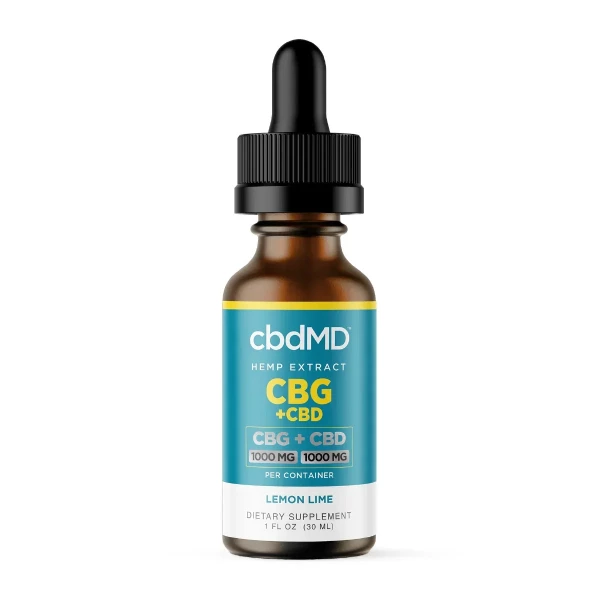
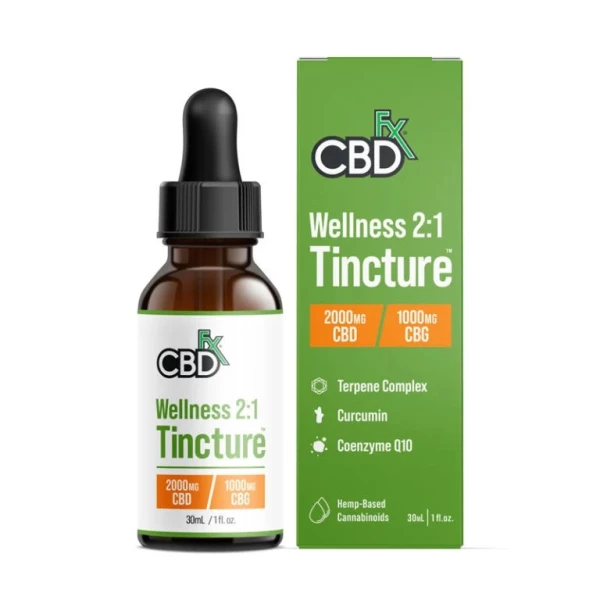
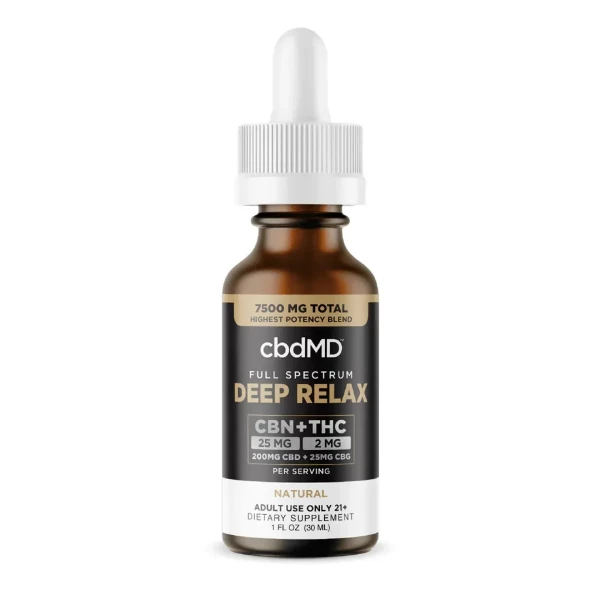
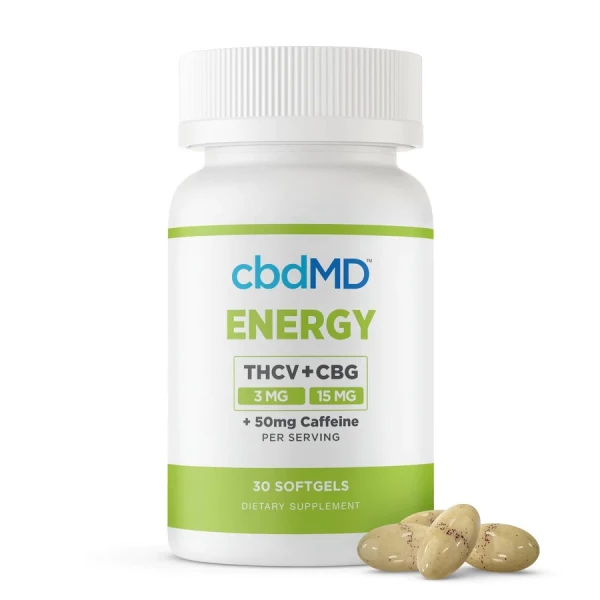
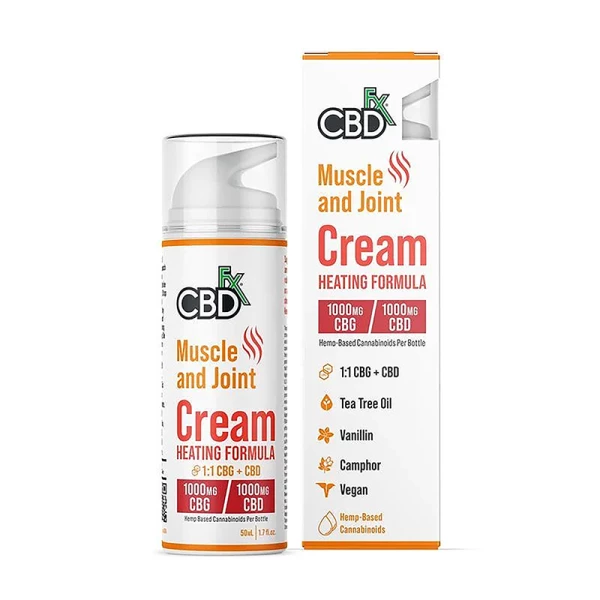
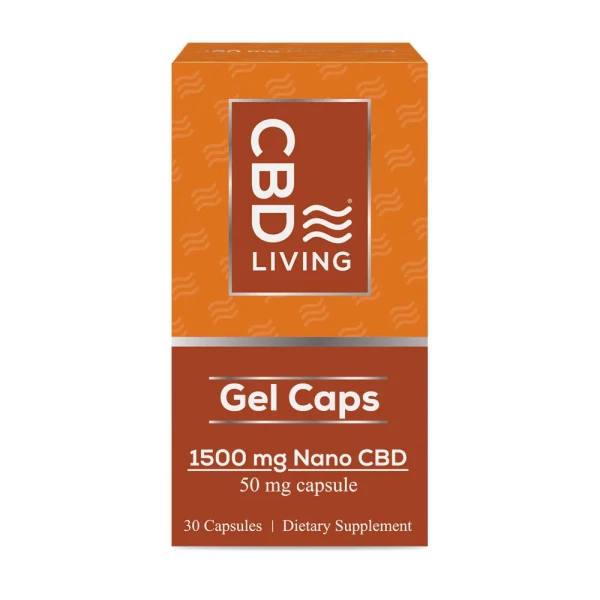
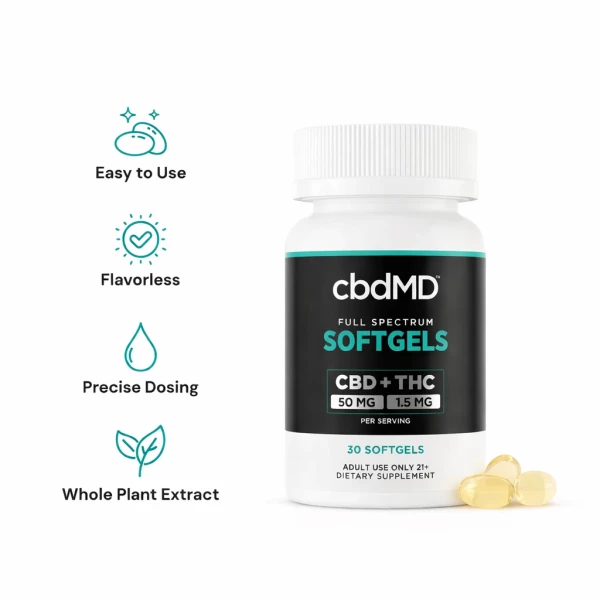
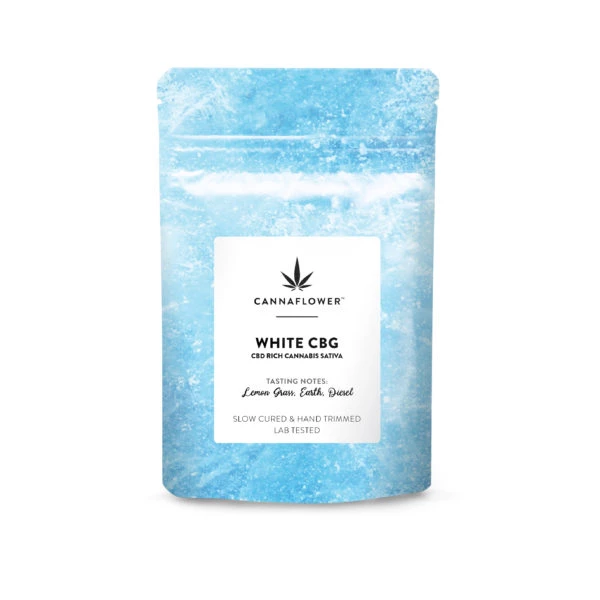
A product can appear high here and low elsewhere — these are single-cannabinoid rankings, not overall potency.
How to read a CBG figure
Percentage is content by weight. Milligrams per serving is the more useful number for edibles and beverages, because it tells you the dose rather than the concentration. Where both appear on a certificate they should reconcile: percentage multiplied by ten gives milligrams per gram.
If a label claims a CBG figure the certificate does not support, trust the certificate.
CBG compared
Common questions
What is CBG?
Cannabigerol. Decarboxylated CBGA — the compound the plant builds its other cannabinoids from.
How is CBG formed?
CBGA is the precursor from which the plant synthesises THCA, CBDA and CBCA. Whatever CBGA is not converted remains, and heating it yields CBG. That is why mature flower usually shows only a small residual CBG percentage: most of the CBGA has already been spent building other cannabinoids.
How much CBG is in a typical hemp product?
Across 88 lab-tested products in this catalogue, CBG ranged from 0.001% to 3.693%, averaging 0.295%. Those results come from 21 independent laboratories. Product form drives most of that spread.
How do I verify the CBG content of a product?
Read the certificate of analysis and match its batch number to the packaging. A certificate that cannot be tied to the batch in your hand does not describe the product you bought.
Shop lab-tested hempChemistry and measured content only. No health outcome is claimed or implied, and nothing here is medical advice.
