




How Arrest Hotspots Are Shaping the Hemp-Derived THC & CBD Market Landscape
How Arrest Hotspots Are Shaping the Hemp-Derived THC & CBD Market Landscape
In 2025, ten states-including Texas, North Carolina, Wisconsin, Georgia, Tennessee, Pennsylvania, South Carolina, Indiana, Louisiana and Alabama-accounted for nearly 60 percent of all marijuana-related arrests nationwide. This concentration of enforcement is reshaping how hemp-derived THC and CBD products circulate, impacting shopper access, retail strategy and consumer behavior.
Disclaimer: This article is for informational purposes only and does not constitute medical or legal advice.
Arrest Geography as a Market Force in the Hemp Space
When law enforcement activity clusters heavily in certain states, it creates a ripple effect that extends into the hemp-derived product market. In states with high arrest volumes, consumers and retailers may shift toward hemp-derived THC and CBD as a perceived lower-risk alternative, regardless of whether regulation actually permits it. Legal ambiguity around hemp-derived cannabinoids often leaves enforcement uneven and unpredictable, encouraging underground or informal channels.
- Consumers in enforcement hotspots may favor products labeled under the hemp umbrella-even when illicit THC is the real driver-because they appear safer or fall into legal gray zones.
- Retailers may adjust inventory to spotlight low-THC CBD or hemp-derived formulations, trying to navigate enforcement climates while still meeting demand.
Cross-State Demand and Regulatory Patchwork Effects
Arrest data underscores how geography determines product risk. In states with lower arrest rates-often where cannabis is legalized-hemp-derived products compete openly with regulated marijuana. Conversely, in high-arrest states, limited legal THC access drives demand toward hemp channels, sometimes outpacing oversight and fueling supply chain gaps.
For instance, in states without full cannabis legalization, hemp-derived THC fills a void, even when enforcement is aggressive. The tension between consumer demand and patchwork legality creates pressure points: retailers may lean into ambiguous labeling, and consumers risk unknowingly purchasing intoxicating products in environments where enforcement is harsh.
Retail Strategy: Navigating Enforcement Hotspots with Product Mix
Retailers in high-arrest states must balance compliance with customer interest. Many spotlight non-intoxicating CBD products to avoid scrutiny, while quietly stocking hemp-derived THC edibles or tinctures that appeal to consumers seeking psychoactive effects. This dual strategy aims to maintain visibility while hedging risk.
Marketing focus may shift toward trusted low-THC items, with hemp-derived THC relegated to discreet displays or online channels. Retailers may also rely on educational messaging-highlighting COA transparency or batch testing-to reassure consumers, though such materials can attract regulatory attention themselves.
Consumer Behavior: Risk Management and Product Discovery
Shoppers in arrest-heavy states often approach hemp-derived products with heightened caution. They may seek out brands known for lab testing or transparent labeling, or gravitate toward lower-THC options to minimize legal exposure.
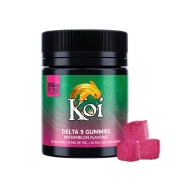
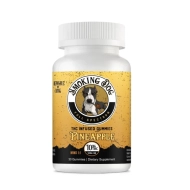
At the same time, curiosity about hemp-derived THC's effects persists-especially where regulated cannabis is unavailable. This drives consumers to explore microdosed gummies or tinctures, often sourced from informal networks, raising safety and consistency concerns.
Implications for Policy and Market Evolution
The correlation between arrest concentration and hemp-derived product demand highlights a growing need for regulatory clarity. States with high enforcement rates may inadvertently push consumers toward less regulated hemp markets, increasing public health and consumer protection risks.
Strategic policy shifts-such as clear labeling standards, THC caps, or licensed retail frameworks for hemp-derived THC-could mitigate these risks. Without reform, enforcement hotspots risk fragmenting markets and fueling unregulated supply chains.
Key Takeaways for Hemp-Derived CBD/THC Shoppers
- Arrest concentration varies dramatically by state-knowing local enforcement trends is essential for informed shopping.
- In high-arrest states, hemp-derived products may offer a lower-risk appearance, but can still carry legal or quality hazards.
- Retailers and consumers alike benefit when product transparency is paired with regulatory clarity-especially in enforcement-intense regions.
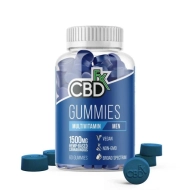
Explore trusted product options: Shop Hemp Wellness Products | Buy Online | Chow420, or browse niche selections like Shop CBDfx Products | Buy Online | Chow420 and Shop Erth Wellness Products | Buy Online | Chow420. For deeper insight into product rankings and industry players, see the ChowIndex: Brand & Product Rankings and ChowIndex: Hemp Product Directory.
- Q
- Why are hemp-derived CBD/THC products more prominent in states with high marijuana arrest rates?
- A
- Because in places where marijuana enforcement is intense, hemp-derived products are often viewed as safer alternatives-though legality and safety may still be murky.
- Q
- How can shoppers minimize legal risk when buying hemp-derived THC in enforcement hotspots?
- A
- Look for brands with transparent lab testing and clear THC content disclosure; consider lower-THC microdose formats and stay informed about local law enforcement trends.
- Q
- What role do retailers play in shaping consumer behavior under heavy enforcement?
- A
- Retailers may highlight low-THC CBD while quietly offering hemp-derived THC, balancing visibility with risk management for their clientele.
- Q
- Can regulatory reform help reduce reliance on unregulated hemp-derived THC in these states?
- A
- Yes-policies that clarify THC limits, labeling rules, and retail licensing for hemp-derived products could shift demand toward safer, regulated channels.
As enforcement patterns continue to diverge across the country, the hemp-derived CBD and THC market will adapt accordingly. For shoppers and brands alike, staying informed about local arrest trends and evolving regulations is key to navigating this complex landscape with confidence.
Shop What You Just Read About
Every product is COA-verified and blockchain-anchored on Chow420.