




Congress Extends Legal Window for Hemp-Derived THC Products Amid Regulatory Uncertainty
Congress Extends Legal Window for Hemp-Derived THC Products Amid Regulatory Uncertainty
The recent extension of the federal ban on intoxicating hemp-derived THC products has created a pivotal moment for retailers, regulators, and consumers. With the deadline now moved to December 11, 2026, stakeholders have a narrow but crucial runway to push for a permanent regulatory framework that balances consumer access with safety and clarity.
Disclaimer: This article is for informational purposes only and does not constitute medical or legal advice.
How the Ban Delay Reshapes the Hemp-Derived Product Landscape
Congress's stopgap funding bill, passed with bipartisan support in early September 2026, postpones the looming ban on hemp-derived intoxicating products-such as delta-8 THC edibles and beverages-from November 12 to December 11, 2026. This legislative move buys the hemp industry and lawmakers a one-month extension to negotiate a longer-term regulatory solution.
The extension, now awaiting the president's signature, is drawing both relief and frustration. Advocates for the hemp sector see it as essential breathing room to craft sensible federal rules, while critics argue it merely prolongs uncertainty and allows potentially hazardous products to remain widely available.
Regulatory Stakes: Why This Delay Matters
- Without intervention, most intoxicating hemp products would lose their legal footing under the revised definition of hemp, which caps total THC per container at a minuscule level.
- The delay provides a bridge for legislation like the HEMP Act and the Lawful Hemp Protection Act, which aim to establish clearer rules around potency, labeling, age-gating, and taxation.
- States with existing hemp regulatory structures can continue to operate without disruption-at least temporarily-as they await federal guidance.
Lawmakers and Industry Rally Around Regulatory Alternatives
Several legislative proposals are gaining traction during this reprieve:
- The HEMP Act, championed by a member of the House, proposes a federal framework with age restrictions, safety standards, and defined THC thresholds to replace outright bans.
- The Lawful Hemp Protection Act, introduced by bipartisan representatives, seeks to redefine hemp and regulate intoxicating hemp products similar to alcohol, promoting responsible commerce.
- Meanwhile, a bipartisan Senate bill empowers states and Tribal governments to opt in and regulate hemp locally, preserving existing market access.
Consumer Behavior and Retail Strategy in the Interim
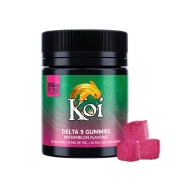
Retailers and shoppers are navigating a landscape of shifting deadlines and ambiguity. With the ban delayed, many hemp-derived gummies, drinks, and vapes remain available-but the clock is ticking. Businesses are watching for signs of long-term policy direction before committing inventory or marketing strategies.
As products stay on shelves for now, consumers may continue to favor familiar hemp-derived options-but with growing awareness that those items could be subject to new limits or exit the market entirely if no framework is adopted.
Implications for Brands and the Supply Chain
Manufacturers and distributors are in a holding pattern. The delay offers temporary relief, but without regulatory certainty, supply chains remain vulnerable to disruption. Companies with robust testing, transparent labeling, and adaptive compliance strategies are best positioned to weather the transition.
Those investing in federal-level advocacy and aligning with proposed legislation may gain a competitive edge if new rules emerge that reward responsible production and retail.
Looking Ahead: What Comes Next?
With the December 11 deadline looming, Congress faces pressure to enact a durable framework. Whether that takes the form of standalone hemp legislation or inclusion in broader spending and agriculture bills, the outcome will determine the fate of a multi-billion-dollar market and its millions of consumers.
- Q
- Will hemp-derived THC products remain legal after December 11, 2026?
- A
- Only if Congress enacts a regulatory framework or further extends the delay. Otherwise, the revised hemp definition will take effect and most intoxicating products will become federally prohibited.
- Q
- Can states continue regulating hemp-derived THC products independently?
- A
- Yes-for now. Many states with existing rules can maintain access within their borders, especially if federal legislation grants them explicit regulatory authority.
- Q
- Are there proposed federal THC limits under discussion?
- A
- Yes. Some bills propose thresholds like 5 mg per serving or 30 mg per package, along with age-gating and labeling requirements, although these figures are still under negotiation.
- Q
- What should hemp retailers do during this delay?
- A
- Focus on compliance readiness-third-party testing, accurate labeling, and age-restricted marketing-and stay engaged with policymaking developments to adapt quickly.
As December 11 approaches, the hemp-derived THC market remains at a crossroads. Will lawmakers seize this brief extension to build clarity and stability, or will consumers and businesses face another sudden shift? The decisions made now will reverberate through the industry for years to come.
Explore our curated catalog to stay ahead: Shop Hemp Wellness Products | Buy Online | Chow420, check out standout options like Snoozy Sleep with Benefits: Bedtime Buddy or the popular Tillmans Tranquils THC Grape Syrup, and monitor hemp brand rankings via ChowIndex: Brand & Product Rankings.
Shop What You Just Read About
Every product is COA-verified and blockchain-anchored on Chow420.