




THC + CBD Breakthrough in TMD Pain Relief Unveiled in New Clinical Study
THC + CBD Breakthrough in TMD Pain Relief Unveiled in New Clinical Study
A groundbreaking crossover clinical trial published in 2026 has revealed that a combined THC and CBD formulation can dramatically reduce pain and restore function in patients suffering from temporomandibular disorder (TMD). This finding offers a new lens through which hemp-derived shoppers may evaluate therapeutic options for chronic jaw discomfort.
Disclaimer: This article is for informational purposes only and does not constitute medical or legal advice.
Notable Functional Gains From Cannabinoid Duo in TMD
The study reports that a THC-plus-CBD treatment reduced TMD pain from an average of 7.35 to 3.50 on a visual analog scale, while significantly improving mouth opening, mandibular protrusion, and lateral movement. Allodynia and hyperalgesia were nearly eliminated, and the overall effect size was large (d > 0.8), indicating a robust therapeutic response specific to this formulation and condition.
These outcomes mark a rare, high-impact result in the orofacial pain research landscape, where many prior studies have offered mixed or minimal benefit from cannabinoids. The standout performance of this balanced THC/CBD blend suggests targeted synergy may be key in unlocking clinical utility.
How This Advances Cannabinoid Science in Dentistry
Previous systematic reviews have pointed to topical CBD showing some promise for myofascial or temporomandibular pain, while oral or synthetic cannabinoids often failed to outperform NSAIDs or placebo. One review found only one positive result from topical CBD for TMD amid multiple null outcomes. Another recent analysis highlighted CBD's analgesic, anti-inflammatory, and muscle-relaxant effects in chronic myofascial conditions-but inconsistent results for acute dental pain. These mixed data underscored the need for well-controlled, formulation-specific trials.
This new crossover study fills that gap by delivering high-quality, human clinical evidence that a precise THC/CBD ratio can yield meaningful functional and pain improvements in TMD-something previous studies struggled to demonstrate with clarity.
Implications for Hemp-Derived Product Strategy and Consumer Behavior
- Brands may increasingly pivot toward balanced THC/CBD blends for targeted musculoskeletal applications rather than CBD-only or high-THC isolates.
- Shoppers seeking relief from chronic jaw or facial pain may prioritize products with clinical backing, potentially shifting demand toward formulations explicitly tested in TMD populations.
- Retailers and product developers might lean into this evidence by offering clearer dosing guidance, functional claims, and educational content around orofacial use cases.
Supply Chain and Regulatory Considerations
Given THC's involvement, regulatory scrutiny and variable state laws will affect product availability. However, if the THC/CBD ratio remains within hemp-derived legal thresholds, this study could support broader acceptance and clearer labeling for orofacial wellness items. Supply chain partners may need to ensure consistent cannabinoid ratios and third-party testing to match the study's formulation, especially for products marketed toward TMD relief.
Connect to Hemp-Derived Shopping Resources
Explore targeted options or browse trusted hemp wellness selections:
- Shop Hemp Wellness Products | Buy Online | Chow420
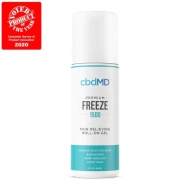
- Shop Hemp Wellness for Pain Relief | Buy Online | Chow420
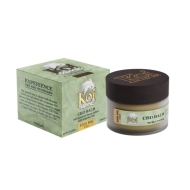
- Shop Koi Products | Buy Online | Chow420
- Tillmans Tranquils Cherry Pie THC Chill Gummies
- Tillmans Tranquils Pink Lemonade Delta 9 THC Syrup
- Discover more in our ChowIndex: Hemp Product Directory and ChowIndex: Brand & Product Rankings.
Targeted FAQs After Reading This Study
- Q: Could the significant jaw-function gains be due mainly to THC, CBD, or their combination?
- A: The study used a combined THC + CBD formulation, so the results reflect synergy rather than a single compound. Future trials comparing isolates vs blends could clarify individual contributions.
- Q: Is the observed reduction in pain and hyperalgesia likely to persist beyond the study period?
- A: Long-term durability wasn't addressed. Further research is needed to assess whether benefits maintain after treatment cessation or require ongoing use.
- Q: Were there any reported adverse effects from the THC/CBD treatment?
- A: The study focused on functional and pain outcomes; it did not detail safety or side-effect profiles. Consumers should proceed cautiously and monitor for any psychoactive or other responses.
- Q: Does this evidence support OTC availability of THC/CBD blends for TMD relief?
- A: Regulatory status varies by jurisdiction. While the study supports efficacy, over-the-counter availability depends on local hemp/THC laws and product compliance.
- Q: Should shoppers with other orofacial pain types (like burning mouth syndrome) expect similar results?
- A: This study specifically targeted TMD. Other orofacial pain conditions may respond differently-evidence for those remains limited or mixed.
As hemp-derived cannabinoid science evolves, this landmark TMD trial may usher in a new era of condition-specific, evidence-driven formulations. For shoppers navigating pain relief in complex orofacial conditions, the path is becoming clearer-and more clinically grounded.
Looking forward, we anticipate more phenotypically targeted trials exploring THC/CBD blends in oral health. Until then, this study stands as a pivotal milestone for both consumers and the hemp-derived product industry.
Shop What You Just Read About
Every product is COA-verified and blockchain-anchored on Chow420.