




North Carolina's Hemp-Derived THC Market at a Crossroads as Total-THC Rules Loom
North Carolina's Hemp-Derived THC Market at a Crossroads as Total-THC Rules Loom
North Carolina regulators convened on September 4 to map a new direction for hemp-derived THC products, confronting both federal shifts and local market realities. With a proposed total-THC testing requirement and a draft medical cannabis framework emerging, the state's hemp wellness landscape is poised for a seismic shift.
Disclaimer: This article is for informational purposes only and does not constitute medical or legal advice.
Closing the THCA Loophole: Total-THC Testing Takes Center Stage
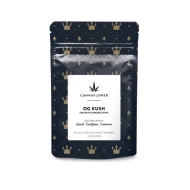
The state is considering a rule that would require all hemp-derived products to undergo third-party testing for total THC-meaning the combined amount of delta-9 THC, THCA, and other isomers. This move aims to eliminate the long-standing THCA loophole, where products skirt the 0.3% delta-9 threshold yet still produce intoxicating effects. The shift would align with federal changes set to take effect this November, which cap total THC at 0.4 mg per container.
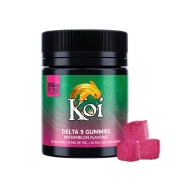
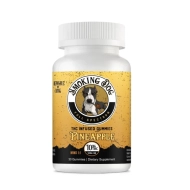
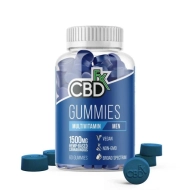
Hemp retailers, breweries, vape shops and gas stations-who have built thriving businesses around colorful THC-infused edibles and beverages-now face regulatory uncertainty. Without a state-level exemption, many of these products could vanish from shelves, potentially devastating local supply chains and retail partners.
Medical Cannabis Draft: Limited Licenses and No Flower
Alongside the THC clampdown, North Carolina is drafting a medical cannabis bill that would permit only ten vertically integrated operators and exclude smokable flower from the program. Eligible patients-those with cancer, epilepsy, PTSD, chronic pain or terminal illness-would need a physician's recommendation and state ID card, with no allowance for home cultivation.
This contrasts with neighboring states that have broader access models. For rural patients, especially in underserved areas, the absence of home grow options may limit access and reinforce inequities in care.
Regulatory Limbo: DEA Delay Clouds State Planning
The federal rescheduling of marijuana from Schedule I to Schedule III remains pending since August 2024, leaving states like North Carolina in limbo. If the DEA acts, licensed operators could gain tax relief and banking access, but the hemp definition under the Farm Bill would remain unchanged-meaning state regulators must act now or risk being caught off guard.
Accordingly, state officials are racing to establish rules that anticipate federal shifts without waiting for clarity. The January 14, 2027 legislative session is expected to bring both total-THC mandates and medical cannabis proposals forward.
Market Survival vs. Safety: Stakeholder Stakes on the Line
- Law enforcement and prosecutors are lobbying for strict total-THC thresholds, characterizing products above 0.4 mg as illicit and dangerous.
- Hemp businesses-especially small retailers, breweries, and dispensaries-are pushing back, warning that sweeping bans would crush a decade of growth.
- The Senate has already approved a version of the bill that would ban intoxicating hemp products over 0.4 mg total THC and restrict sales to those over 21.
- Meanwhile, the House has yet to take a vote, with activists and business groups applying pressure ahead of a pivotal week in Raleigh.
Strategic Implications for Hemp Wellness Brands
Brands and retailers must now navigate a rapidly evolving regulatory patchwork. Those offering products near the 0.3% delta-9 threshold may need to reformulate or risk being classified as Schedule VI contraband. Companies that invest in robust testing and transparent labeling may gain consumer trust and market resilience.
At the same time, the medical cannabis draft presents both opportunity and limitation. Vertically integrated operators may benefit from market entry, but capped licenses and no flower access could stifle innovation and patient choice.
Internal Resources to Explore
For shoppers and brands adapting to this shifting landscape, explore these resources:
- Shop Hemp Wellness Products | Buy Online | Chow420
- Shop CBDfx Products | Buy Online | Chow420
- Shop Elite Hemp Products | Buy Online | Chow420
- Tillmans Tranquils Euphoria Gummies - 15 count, 250mg CBD, 10mg THC
- Tillmans Tranquils Green Apple 2:1 CBD:THC Perfect Dose Gummies
- ChowIndex: Hemp Product Directory
- ChowIndex: Hemp Businesses in North Carolina
Frequently Asked Questions
- Q
- How will total-THC testing affect the availability of hemp edibles in NC?
- Products exceeding 0.4 mg total THC per container could be banned or relabeled, forcing reformulation or removal from shelves.
- Q
- Can small businesses still sell CBD wellness items if THC limits tighten?
- Yes-non-intoxicating CBD products under the THC threshold remain legal, but businesses must ensure accurate testing and compliance.
- Q
- What happens to hemp-derived flower under the new proposals?
- The medical cannabis draft excludes smokable flower entirely; hemp flower may still be regulated separately or face prohibition under total-THC rules.
- Q
- Will the DEA rescheduling change North Carolina's hemp rules?
- Not directly-the rescheduling doesn't alter federal hemp definitions, so NC's actions must stand independently regardless of DEA timing.
As North Carolina stands at this regulatory inflection point, the coming months will determine whether the state preserves a vibrant hemp wellness industry or opts for sweeping restrictions. Businesses, patients, and regulators alike are bracing for a session that could redefine the market for years to come.
Shop What You Just Read About
Every product is COA-verified and blockchain-anchored on Chow420.