




Hemp-Derived Cannabis Eases Restrictive Eating Disorders: What CBD/THC Shoppers Should Know
Hemp-Derived Cannabis Eases Restrictive Eating Disorders: What CBD/THC Shoppers Should Know
A new peer-reviewed survey reports that individuals with restrictive eating disorders such as anorexia nervosa (AN) and avoidant/restrictive food intake disorder (ARFID) often find hemp-derived cannabis notably improves symptoms like food anxiety, nausea, and appetite. This insight has ripple effects across consumer behavior, product strategy, and regulatory watch for hemp-derived CBD/THC shoppers.
Disclaimer: This article is for informational purposes only-it is not medical or legal advice.
Survey Reveals Targeted Benefit for Restrictive Eating Disorders
Survey data from over 5,300 adults with self-reported eating disorders shows cannabis was the third most commonly used substance after caffeine and alcohol, with 56% reporting use in the past year and many using daily. Respondents with AN and ARFID described cannabis use as easing food-related anxiety, reducing nausea, and improving ability to eat. That contrasts with respondents with binge eating disorder, who often reported that cannabis worsened their symptoms. General mental health was perceived as improved across most diagnoses. Yet daily users also reported higher rates of comorbid mental health issues and non-prescription drug use, and some acknowledged possible cannabis dependence.
This suggests hemp-derived cannabis may offer symptom relief in restrictive eating disorders, but it also underscores the importance of dosing, product selection, and awareness of potential risks.
What This Means for Hemp-Derived CBD/THC Shopping Trends
1. Emerging demand for symptom-specific cannabinoid formats. Shoppers with restrictive eating disorders may seek products that target nausea and appetite without overwhelming psychoactivity-such as low-dose hemp-derived THC combined with CBD in edible or tincture forms.
2. Product transparency and lab testing become critical. Given the vulnerability of this consumer group, accurate cannabinoid ratios and purity are essential to avoid unintended dosing or contaminants.
3. Retailers and brands face strategic positioning opportunities. Brands that responsibly highlight appetite-supporting and nausea-reducing properties-backed by consumer feedback-can differentiate in a crowded market.
Supply Chain & Regulatory Landscape Shifts
Hemp-derived cannabinoids like delta-8 THC, delta-10 THC, and others remain lightly regulated at the federal level, yet widely available. Nearly half of surveyed cannabis users report using semi-synthetic hemp cannabinoids, with adverse effects noted. This regulatory gray area allows rapid product proliferation-but also raises safety and quality concerns.
Meanwhile, consumers often confuse hemp-derived THC with cannabis or CBD, due to inconsistent labeling and marketing. That confusion can lead to unintended consumption, especially in sensitive populations like those with eating disorders.
How This Shapes Brand Strategy and Shopper Behavior
- Brands can build trust by investing in third-party lab testing and clear labeling tailored to symptom relief (e.g. "nausea support," "appetite easing").
- Retailers should educate staff to guide shoppers toward appropriate product forms and dosages-especially for those seeking relief from restrictive eating disorder symptoms.
- Consumers should look for products with transparent COAs, moderate THC content, and clear dosing instructions to minimize risk of dependence or adverse effects.
Where to Explore Products That Align With This Insight
Shoppers interested in hemp-derived wellness options can explore targeted products such as:
- Shop Hemp Wellness Products | Buy Online | Chow420 for curated symptom-focused selections.
- Shop Foy Products | Buy Online | Chow420 offering balanced CBD:THC ratios.
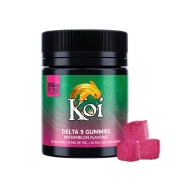
- Shop Koi Products | Buy Online | Chow420 with approachable dosing formats.
For product details, check options like Tillmans Tranquils THC Sleep Gummies or nama Daytime Microdose Gummies that offer nuanced cannabinoid blends and low-dose profiles.
Browse broader rankings and brands through the ChowIndex: Hemp Product Directory and ChowIndex: Brand & Product Rankings to compare potency, ratios, and shopper reviews.
FAQ
- Q
- Can hemp-derived products really help with appetite in restrictive eating disorders?
- Many users with AN or ARFID report relief from food anxiety and nausea, which can support eating. However, these are self-reports and not medical endorsements. Individual responses vary.
- Q
- Which formats seem most suitable for symptom relief?
- Low-dose edibles, tinctures, or microdoses that combine THC with soothing cannabinoids like CBD or CBN may offer more manageable effects and easier titration.
- Q
- How can I minimize risk of dependence or mental-health worsening?
- Use lowest effective dose, limit frequency, track effects, and seek professional oversight if using daily or noticing negative mental-health trends.
- Q
- Are hemp-derived cannabinoids like delta-8 safe for this use?
- These products are popular but lightly regulated and may carry unknown impurities or stronger effects. Prioritize tested, reputable products and avoid high-potency unknowns.
- Q
- Should I consult a provider before trying hemp-derived cannabis?
- Yes. Especially for individuals with eating disorders, mental-health conditions, or medication use, it's wise to consult a healthcare professional before incorporating hemp-derived cannabis.
As more research unfolds, especially controlled trials, the role of hemp-derived cannabis in supporting restrictive eating disorder symptoms may become clearer. In the meantime, shoppers and brands alike must navigate with care, clarity, and consumer safety front of mind.
Looking ahead, as clinical trials emerge and regulatory clarity increases, brands that responsibly align product innovation with symptom-focused needs-while maintaining transparency and safety-will stand out in the evolving hemp wellness landscape.
Shop What You Just Read About
Every product is COA-verified and blockchain-anchored on Chow420.