




PATH Caucus Blueprint Signals New Federal-State Psychedelic Therapy Framework
PATH Caucus Blueprint Signals New Federal-State Psychedelic Therapy Framework
A new policy report from the Congressional Psychedelics Advancing Therapies (PATH) Caucus lays out a detailed plan for integrating psychedelic-assisted therapy into the U.S. healthcare system. It proposes a hybrid framework that emphasizes coordination among federal agencies, states, Tribal Nations, and healthcare providers to ensure equitable, safe, and culturally informed access.
Disclaimer: This article is for informational purposes only and does not constitute medical or legal advice.
Designing a National Network: Hybrid Policy Framework Explained
The PATH Caucus report, informed by a 2024 Request for Information, reflects consensus across clinicians, researchers, patient advocates, and Tribal leaders that psychedelic-assisted therapy (PAT) could offer evidence-based relief for treatment-resistant mental health conditions such as PTSD, depression, anxiety, and substance use disorders.
Its central innovation is a hybrid policy framework that balances federal oversight with local flexibility. Key elements include tiered credentialing pathways, standardized consent and screening protocols, and robust data systems to support long-term safety monitoring. The report emphasizes that federal agencies must work with states and Tribal Nations to avoid one-size-fits-all regulation and to preserve cultural practices alongside modern medicine.
Regulatory Synchronization: From Executive Order to Legislative Momentum
This framework builds on earlier executive actions directing federal agencies to accelerate research into psychedelics like psilocybin, MDMA, and ibogaine. The administration's order also allocates funding and technical assistance to states developing therapeutic programs, reinforcing the federal-state partnership model.
Meanwhile, the PATH Caucus is backing legislation-such as the Innovative Therapies Centers of Excellence Act-that would fund VA-linked research hubs and create infrastructure for clinical trials targeting mental health conditions among veterans. These moves underscore growing bipartisan support and legislative traction for formalizing psychedelic therapy access.
Consumer-Marketplace Ripple Effects
While these developments focus on clinical and regulatory ecosystems, shoppers in the hemp-derived CBD/THC space may feel indirect implications. As federal clarity strengthens around psychoactive therapies, brands and retailers might explore adjacent innovation-such as microdosing products or wellness tools that complement traditional PAT settings. Improved regulatory navigation could encourage cross-category product development and trusted branding.
For consumers, increased federal-state alignment may yield clearer labeling, better research transparency, and more predictable product availability-especially for wellness products marketed alongside clinical protocols.
Strategic Anchors for Hemp-Derived Retailers
- Capitalize on growing interest in therapist-guided microdosing by highlighting transparent testing and responsible dosing.
- Align product messaging with evolving credentialing standards-emphasizing safety, consent, and ethical sourcing.
- Monitor VA-linked research hubs as potential collaborators or early adopters of hemp-derived adjuncts in therapeutic protocols.
Internal Resource Highlights for Readers
Explore curated collections to find products that align with responsible wellness trends:
- Shop Hemp Wellness Products | Buy Online | Chow420 for a broad selection
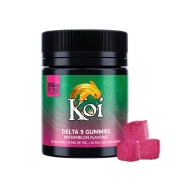
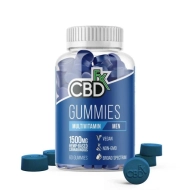
- Check out specific lines like Shop CBDfx Products | Buy Online | Chow420 or Shop Koi Products | Buy Online | Chow420 for microdose-friendly formats
- Browse product detail pages such as Koi Dragon Balm (Topicals) and Snoozy Sleep with Benefits: Bedtime Buddy - 60 Count (Gummies) for sleep and relaxation support
- Use the ChowIndex: Hemp Product Directory and ChowIndex: Brand & Product Rankings to compare products with emerging wellness standards
Targeted Q&A for This Story
- Q
- How might the PATH Caucus framework affect hemp-derived microdosing products?
- A clearer federal-state structure could lead to more consistent lab testing protocols and consumer trust, enabling microdosing products to position themselves as complementary to clinical PAT.
- Q
- Could VA research hubs influence hemp product innovation?
- Yes-VA-linked Centers of Excellence may pilot adjunctive hemp-derived products for veterans, encouraging brands to align with clinical-grade standards.
- Q
- Will federal coordination reduce regulatory fragmentation for hemp-derived products?
- Indirectly-while the framework focuses on psychedelics, its emphasis on safety, consent, and data infrastructure could inspire analogous clarity in hemp-derived wellness regulation.
As the PATH Caucus framework unfolds, the hemp-derived wellness market stands at an inflection point. Brands that anticipate shifts in safety standards, research integration, and clinical partnerships may lead the next wave of innovation in consumer-facing cannabinoid products.
Shop What You Just Read About
Every product is COA-verified and blockchain-anchored on Chow420.