




What Is a Spliff?
A spliff is cannabis rolled together with tobacco in a rolling paper. The tobacco content is the entire distinction. A joint is cannabis only; a blunt is cannabis rolled in a tobacco leaf or cigar wrap.
The three, side by side
| Format | Contents | Wrapper | Contains nicotine? |
|---|---|---|---|
| Joint | Cannabis only | Rolling paper (rice, hemp or wood pulp) | No |
| Spliff | Cannabis and tobacco | Rolling paper | Yes |
| Blunt | Cannabis, sometimes with tobacco | Tobacco leaf or cigar wrap | Yes, from the wrap |
Blunts are also typically larger and burn more slowly, because a tobacco leaf wrap is thicker and denser than rolling paper.
A regional wrinkle worth knowing
The terminology is not universal. Across much of Europe, and especially in the UK, "spliff" is often used for any cannabis cigarette whether or not tobacco is present — though mixing with tobacco is considerably more common there than in North America. In the United States the tobacco distinction is usually observed. If precision matters in a conversation, describe the contents rather than relying on the noun.
Why the tobacco is not a neutral detail
Adding tobacco adds nicotine, which is addictive, and layers the established harms of tobacco smoke on top of the harms of smoke inhalation generally. Public health bodies including the World Health Organization are consistent on this, and the evidence base for tobacco harm is far larger and more settled than for cannabis.
There is a second, less obvious point. Nicotine dependence can attach itself to a cannabis routine: people who mix frequently report finding the two habits harder to separate later. That pattern is well documented in tobacco cessation research.
Any combustion, of any plant material, also produces tar, carbon monoxide and a range of irritants. That is inherent to burning things rather than specific to one species.
Lower-risk formats
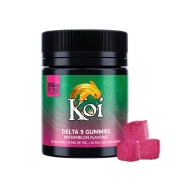
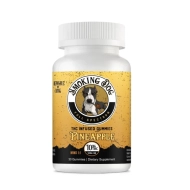
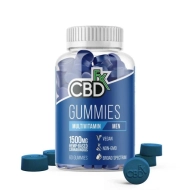
- Edibles — slow onset, long duration, no inhalation at all. Browse gummies (126 listed).
- Drinks — measured per serving, faster onset than most edibles. Browse drinks (27 listed).
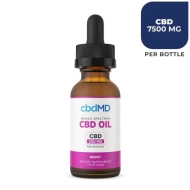
- Tinctures and oils — finely adjustable dosing. Browse oils (17 listed).
- Vaporisers — heat without burning. Not risk-free, but avoids combustion by-products. Browse vapes.
Where the words come from
"Spliff" is generally traced to Jamaican English, entering wider use through Caribbean communities and, from the 1970s onward, through reggae's international reach. "Blunt" comes from Phillies Blunt, a cigar brand whose wrapper was widely repurposed in New York in the 1980s and 1990s — the brand name became the generic term. "Joint" is the oldest of the three in English-language drug slang.
As with all slang etymology, these are the commonly accepted accounts rather than documented certainties. The regional divergence in how "spliff" is used today is a direct consequence of the word travelling faster than its original definition.
Practical differences when rolling
- Burn rate. Tobacco burns more readily than cured cannabis, which is the usual practical reason people give for mixing — a spliff is less likely to go out. A well-rolled joint does not need the help.
- Ratio. Mixes vary enormously, from a small amount of tobacco to a majority of it. The proportion determines how much nicotine is involved, and it is rarely measured.
- Filters and crutches. A rolled card tip provides structure and stops material entering the mouth. It does not filter in any meaningful sense — it is not comparable to a cigarette filter.
- Paper choice. Thinner papers contribute less of their own smoke and taste. Rice and hemp papers are the usual choices for that reason.
If you are trying to cut down on tobacco
Mixing makes that harder, because the two behaviours become a single ritual with a single set of cues. People attempting to reduce nicotine while continuing to use cannabis generally find it more manageable to separate the formats entirely — moving to a non-combustion option removes both the tobacco and the smoke in one step. NHS and CDC cessation guidance both emphasise breaking cue-behaviour associations, and a mixed format is a strong cue.
If you are buying flower
Contaminant screening matters more for material that will be inhaled than for almost any other format, because combustion delivers whatever is present directly to the lungs. Look for a batch-linked certificate of analysis covering cannabinoid content, pesticides, heavy metals and microbials.
We list 28 flower products with published laboratory reports as of September 2026. Browse flower or check a batch number.
Frequently asked questions
What is the difference between a spliff and a joint?
A joint contains cannabis only. A spliff contains cannabis mixed with tobacco. Both use rolling paper.
Does a spliff contain nicotine?
Yes. The tobacco in a spliff contains nicotine, which is addictive.
Is a blunt the same as a spliff?
No. A blunt is rolled in a tobacco leaf or cigar wrap, so the nicotine comes from the wrapper. A spliff uses rolling paper with tobacco mixed into the contents.
Why do people mix tobacco with cannabis?
Commonly cited reasons are a more even burn, making the cannabis go further, and habit or regional convention. None of these offset the added health risk.
Is smoking a spliff worse than a joint?
It adds the risks of tobacco and nicotine dependence on top of those of smoke inhalation. Non-combustion formats such as edibles, drinks and tinctures avoid combustion entirely.
Browse lab-tested products
- Vape cartridges and disposables
- Gummies and edibles
- THCA flower
- THC drinks and seltzers
- Oils and tinctures
- Product finder · Hemp and drug testing · Batch lookup
Chow420 lists products from independent sellers. Nothing here is medical advice, and cannabinoid figures describe the specific batch a laboratory tested rather than every unit ever made. Always read the certificate of analysis on the listing you are buying. Products containing THC are for adults only.
Shop What You Just Read About
Every product is COA-verified and blockchain-anchored on Chow420.