




CBD & THC Deep Dive (Feb 17, 2026): New Farm Bill Aims to Ease Hemp Industry Regulations
CBD & THC Deep Dive: New Farm Bill Aims to Ease Hemp Industry Regulations
The hemp industry is on the brink of significant change with the introduction of a new Farm Bill aimed at reducing regulatory burdens. This legislative proposal is set to transform the landscape for hemp producers, potentially impacting the availability and variety of Hemp-Derived CBD & THC Products on the market. In this article, we delve into the implications of the new Farm Bill, explore the current state of hemp regulations, and provide practical guidance for consumers and producers navigating this evolving industry.
Understanding the New Farm Bill
The proposed Farm Bill seeks to streamline the regulatory framework governing the hemp industry. By reducing bureaucratic hurdles, the bill aims to foster growth and sustainability within the sector. This legislative effort is crucial for maintaining the stability of the industrial hemp program, which has faced numerous challenges since its inception.
Key Changes Proposed
- Reduction in compliance costs for hemp producers.
- Streamlined licensing processes to encourage new entrants.
- Enhanced support for research and development in hemp cultivation.
These changes are designed to make it easier for producers to operate efficiently, thereby increasing the availability of high-quality hemp-derived products for consumers.
The Current Regulatory Landscape
Before diving into the potential impacts of the new Farm Bill, it's important to understand the current regulatory environment. Hemp-derived products, including CBD and THC, are subject to a complex web of federal and state regulations. For a comprehensive overview of the legal status of CBD across the United States, visit our Is CBD Legal? (State-by-State) page.
State-by-State Variations
Regulations can vary significantly from one state to another, affecting everything from cultivation practices to product labeling. To navigate these differences, check out our Hemp State Laws (State-by-State) resource.
Implications for Consumers
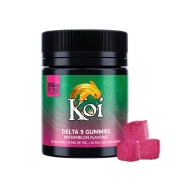
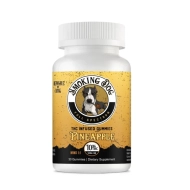
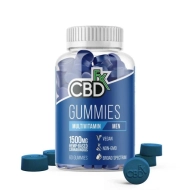
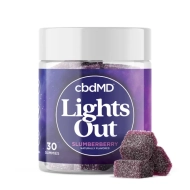
For consumers, the new Farm Bill could mean greater access to a wider variety of hemp-derived products. This includes popular items such as CBD & THC Gummies for Pain Relief and CBD & THC Gummies for Reduced Stress and Anxiety. With reduced regulatory barriers, producers can focus on innovation and quality, leading to better products for consumers.
Practical Tips for Consumers
- Stay informed about the legal status of CBD and THC products in your state.
- Look for products that provide third-party lab testing results.
- Consider trying different product types, such as CBD & THC Gummies for Relaxation and Calming.
Opportunities for Producers
For hemp producers, the new Farm Bill presents an opportunity to expand operations and explore new markets. By reducing compliance costs and simplifying licensing, producers can allocate more resources to product development and marketing.
Strategies for Success
- Invest in research and development to create innovative products.
- Build strong relationships with retailers and distributors.
- Focus on sustainability and ethical sourcing to appeal to conscious consumers.
FAQ
What is the new Farm Bill?
The new Farm Bill is a legislative proposal aimed at reducing regulatory burdens for the hemp industry, promoting growth and sustainability.
How will the Farm Bill affect consumers?
Consumers may benefit from increased access to a wider variety of hemp-derived products, including CBD and THC items.
What should producers do to prepare for the changes?
Producers should focus on innovation, build strong industry relationships, and prioritize sustainability to capitalize on new opportunities.
Related Chow420 Pages
- Hemp-Derived CBD & THC Products
- Is CBD Legal? (State-by-State)
- Hemp State Laws (State-by-State)
- CBD & THC Gummies for Pain Relief
- CBD & THC Gummies for Reduced Stress and Anxiety
- CBD & THC Gummies for Relaxation and Calming
- Arthridiol Gummies | CBD & THC
Disclaimer: This article is for informational purposes only and does not constitute legal or medical advice. Always consult with a qualified professional for specific guidance.
Shop What You Just Read About
Every product is COA-verified and blockchain-anchored on Chow420.