




Hemp-Derived HHC Faces Legal Crossroads After DEA Denial of Challenge
Hemp-Derived HHC Faces Legal Crossroads After DEA Denial of Challenge
The hemp industry's attempt to block federal scheduling of hexahydrocannabinol (HHC) has been rebuffed by the Drug Enforcement Administration, setting off a wave of regulatory uncertainty for hemp-derived cannabinoid products. This ruling could reshape how retailers, brands, and consumers navigate a marketplace where lab-derived cannabinoids now face harsher scrutiny.
Disclaimer: This article is for informational purposes only and does not constitute legal or medical advice.
What Just Happened: DEA Reinforces HHC as Schedule I
On May 4, 2026, DEA amended the Controlled Substances Act to assign a specific Schedule I code to HHC, affirming its status as a federally controlled substance. The agency labeled it a technical amendment, but its effect is clear: hemp-derived HHC is now explicitly treated like other psychoactive substances that carry high abuse potential and no accepted medical use.
Shortly thereafter, two hemp companies filed petitions challenging the agency's move, arguing that HHC-derived from hemp-is protected under the 2018 Farm Bill's definition of legal hemp derivatives. The DEA dismissed the challenge, maintaining that synthetically produced cannabinoids fall outside the Farm Bill's protections and can be regulated as Schedule I substances.
Impact on Hemp Retailers and Supply Chains
This ruling has immediate ripple effects across the hemp-derived product market. Retailers selling HHC products-such as gummies, vape cartridges, and tinctures-now face potential federal enforcement. These products may need to be removed from shelves, creating supply chain disruptions and forcing brands to pivot quickly in product strategy.
- Retailers should review inventory of HHC goods and prepare for possible compliance audits.
- Brands may need to accelerate development of alternative products, including non-HHC cannabinoids or broad-spectrum options.
- Manufacturers should reassess raw material sourcing and consider reformulation to avoid synthetic derivatives.
Consumer Behavior Shift: From Novelty to Caution
For consumers, HHC was a trendy option offering psychoactive effects in a legal-looking package. Now, with its Schedule I designation and legal challenge failure, shoppers may reconsider purchasing HHC altogether-especially as legal risks and enforcement concerns mount.
We expect demand to shift toward clearly legal alternatives, including naturally occurring CBD, delta-9 THC compliant products, or other non-synthetic cannabinoids that remain within Farm Bill protections.
Legal and Regulatory Landscape: A Patchwork in Flux
The DEA's refusal to entertain the challenge underscores a broader tension between federal drug policy and the 2018 Farm Bill's intent to legalize hemp derivatives. The agency's interpretation that synthetic cannabinoids like HHC are excluded from the Farm Bill is now firmly on record.
Meanwhile, hemp producers continue to argue that the Farm Bill's definition of hemp-which includes all derivatives, extracts, cannabinoids, and isomers of hemp with under 0.3% delta-9 THC-should shield HHC when derived from legal hemp. Courts will now be the arena where this tension plays out, possibly leading to new precedents on how "synthetic" and "hemp-derived" are defined and enforced.
Strategic Moves for Brands and Retailers
In light of the DEA's decision, brands and retailers should consider the following:
- Audit product lines for HHC exposure and consider discontinuation or reformulation.
- Consult legal counsel to assess liability and prepare for shifting enforcement risks.
- Stock up on compliant alternatives and update marketing and labeling to reflect regulatory clarity.
- Monitor related court filings and legal developments closely to anticipate future rulings.
Where This Leaves the Hemp-Derived Market
This decision marks a turning point in the hemp-derived cannabinoid space. As the legal status of HHC tightens, the market may bifurcate between clearly compliant products and those in legal limbo. The outcome of the ongoing lawsuits could redefine what counts as a protected hemp derivative-and reshape the future of synthetic cannabinoids in the U.S.
- Q What should shoppers do if they currently use HHC products?
- A: Consider discontinuing use until court outcomes clarify legality. Look for hemp-derived products with clear compliance, such as broad-spectrum CBD or naturally occurring cannabinoids.
- Q Can a brand still legally sell HHC in states where it's not prohibited?
- A: Federal Schedule I status means enforcement remains possible even if state law is silent. Brands should consult legal counsel before proceeding.
- Q Does the Farm Bill still protect hemp-derived cannabinoids?
- A: Yes-for naturally occurring cannabinoids under 0.3% delta-9 THC. But synthetic or lab-modified cannabinoids like HHC are now explicitly excluded under the DEA's interpretation.
- Q How soon might courts weigh in on the legality of HHC?
- A: Legal filings are underway. Depending on jurisdiction and court schedules, preliminary rulings could emerge within months, with full decisions possibly by late 2026 or early 2027.
With HHC now explicitly federal Schedule I and legal challenges underway, the hemp-derived cannabinoid market stands at a regulatory crossroads. Brands, retailers, and consumers must adapt swiftly to this evolving landscape-watching closely as the courts determine the future of lab-derived cannabinoids.
For compliant alternatives and trusted options, explore our Shop Hemp Wellness Products | Buy Online | Chow420 page. You might also be interested in browsing the ChowIndex: Hemp Product Directory and ChowIndex: Brand & Product Rankings to find vetted, compliant products.
Stay informed with state-by-state legality via our Is CBD Legal? (State-by-State) and Hemp State Laws (State-by-State) pages.
Looking ahead, the result of these lawsuits will be pivotal. If courts side with industry, HHC may be reclassified or de-scheduled; if not, we may see a consolidation toward naturally derived hemp products-with synthetic cannabinoids sidelined indefinitely.
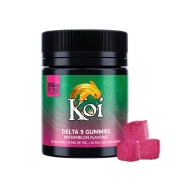
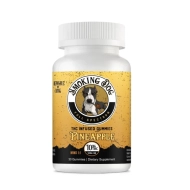
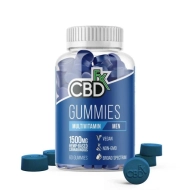
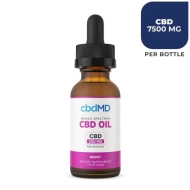
Shop What You Just Read About
Every product is COA-verified and blockchain-anchored on Chow420.