




North Carolina's Hemp THC Drinks at the Crossroads: Regulation or Collapse?
When North Carolina's Hemp THC Drinks Teeter Between Regulation and Shutdown
The fate of hemp-derived THC beverages in North Carolina is in limbo. As federal THC thresholds shift this November, state lawmakers are grappling with whether to regulate hemp THC drinks through age and potency limits-or to effectively ban them. This crossroads could redefine market access, retail strategy, and consumer behavior in the state.
Disclaimer: This article is for informational purposes only. It does not constitute medical, legal, or regulatory advice.
Why North Carolina's Hemp THC Beverage Debate Matters Now
North Carolina's hemp THC beverage market has thrived in convenience stores, bars, vape shops, and breweries-but faces an existential threat. A state bill, HB 328, proposes limiting total THC in consumables to 0.4 mg per container and raising the purchase age to 21. The House has yet to vote, leaving the industry in uncertainty. If enacted, many current products would become illegal, risking jobs, tax revenue, and consumer access. Yet, supporters argue that a clear regulatory path could preserve a safe, legal market instead of driving shoppers to unregulated sources.
How the Regulatory Angle Shapes Shopper Behavior and Market Strategy
From a consumer-behavior and brand strategy standpoint, the debate is pivotal. A ban would likely push shoppers toward illicit options or neighboring states with looser rules. Brands and retailers are lobbying for regulation to retain legal access and maintain trust. The choice between prohibition and structured oversight will determine whether hemp THC drinks remain a vibrant, transparent category-or vanish overnight.
What's on the Table: HB 328's Key Provisions
- Caps total THC at 0.4 mg per container-matching upcoming federal standards.
- Restricts sales to individuals aged 21 and over.
- Would introduce civil and criminal penalties for noncompliance, threatening business viability.
- Could make North Carolina a regulatory outlier, even if federal rules soften later.
Retailers warn that without a regulatory carve-out, the hemp-derived THC category may collapse, citing potential hundreds of millions in lost tax revenue and thousands of jobs at risk.
Why Regulate Rather Than Ban? Operator and Distributor Perspectives
Industry voices, including beverage distributors and hemp businesses, argue that regulation would curb bad actors while preserving licensed, compliant operators. They say prohibition would simply empower the illicit market. With consumer demand strong, crafting a framework-rather than shutting the door-offers a safer, more resilient future for shoppers, brands, and the state.
Retailers and Products to Watch Amid the Debate
Shoppers exploring hemp THC drinks may want to compare options now. Popular choices include:
- nama Euphoria Buzz Packs - 5 mg THC & 5 mg CBD powder drink mix (60 servings)
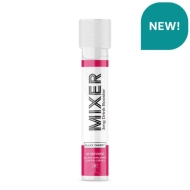
- cbdMD Delta 9 THC Drink Mixer - starter pack
- Smoking Dog THC Infused Seltzer Yuzu Lime - 5 mg (12 pack)
To browse more options, check out the Shop Hemp THC Drinks collection or visit our Shop Hemp Wellness Products | Buy Online | Chow420 page for broader selections.
Explore Related Resources
For deeper context, see:
- North Carolina Hemp Laws - THC Limits and Regulations
- ChowIndex: Hemp Businesses in North Carolina
- ChowIndex: Brand & Product Rankings
What Happens Next-and How Shoppers Can Stay Informed
The House Rules Committee has yet to schedule a vote on HB 328. Legislative momentum remains stalled as advocates on both sides continue to apply pressure. Meanwhile, Congress may still adjust or delay the federal THC cap due in November, which adds another layer of uncertainty.
- Q Will current hemp THC drinks remain legal if HB 328 becomes law?
- Only if products comply with the 0.4 mg per container limit and are sold to customers aged 21 or older. Many existing formulations exceed that cap and could be withdrawn.
- Q Could North Carolina legalize medical marijuana instead?
- Medical cannabis remains a separate issue. While discussions continue, HB 328 focuses specifically on hemp-derived consumables, not full cannabis legalization.
- Q If the House delays, when might the bill resurface?
- Lawmakers may revisit HB 328 after the November election. That delay extends the current legal uncertainty for businesses and shoppers.
- Q Are there interim solutions for retailers or brands?
- Some operators are reformulating products to meet the 0.4 mg cap, or exploring alternative cannabinoids or formats that may fall outside the bill's scope.
North Carolina stands at a regulatory inflection point. Whether the state opts for prohibition or a structured framework will shape the future of hemp-derived THC drinks-and how consumers access them. As this debate unfolds, shoppers and businesses alike should stay informed, monitor legislative developments, and be ready to adapt.
The weeks ahead will determine if North Carolina preserves a legal, transparent hemp beverage market-or drives it underground.
Shop What You Just Read About
Every product is COA-verified and blockchain-anchored on Chow420.