




Navigating the Evolving Landscape of Hemp-Derived CBD and THC Regulations
Navigating the Evolving Landscape of Hemp-Derived CBD and THC Regulations
The hemp-derived CBD and THC market is undergoing significant changes, particularly in light of recent regulatory developments. With the FDA's delay in establishing comprehensive cannabis regulations, consumers and retailers alike are left to navigate a complex landscape of state laws and product offerings. This article aims to provide clarity on the current state of hemp-derived products, practical guidance for consumers, and insights into the implications of these regulatory changes.
The Current Regulatory Environment
As of February 2026, the FDA has missed a crucial deadline mandated by Congress for cannabis regulation. This delay has left many questions unanswered regarding the safety, labeling, and marketing of hemp-derived products. States like Arizona and Pennsylvania are taking the initiative to propose their own legislation, which may further complicate the regulatory landscape.
Impact of FDA Delays
- Consumer Confidence: The lack of federal regulations can lead to uncertainty among consumers regarding product safety and efficacy.
- Market Variability: Different states may implement varying regulations, creating a patchwork of laws that consumers must navigate.
- Product Quality: Without federal oversight, the quality of hemp-derived CBD and THC products can vary significantly between brands.
State Initiatives: A Closer Look
While federal regulations remain in limbo, several states are actively working to establish their own frameworks for hemp-derived products. For instance, Arizona is proposing a bill aimed at regulating strong marijuana odors, while Pennsylvania continues to push for comprehensive hemp laws.
Arizona's Legislative Efforts
Arizona's proposed legislation addresses concerns about the impact of strong marijuana odors on communities. This initiative reflects a growing awareness of the need for local regulations that balance consumer access with community standards.
Pennsylvania's Push for Clarity
Pennsylvania is also making strides in establishing clear hemp laws. The state's efforts aim to create a more structured environment for both consumers and retailers, ensuring that products meet safety standards and are accurately labeled.
What This Means for Consumers
For consumers, the evolving regulatory landscape presents both challenges and opportunities. Here are some practical tips for navigating the hemp-derived CBD and THC market:
1. Research Before You Buy
Always conduct thorough research on the products you intend to purchase. Look for brands that provide third-party lab testing results to ensure product quality and safety.
2. Understand State Laws
Familiarize yourself with Is CBD Legal? (State-by-State) regulations in your state. This knowledge will help you make informed decisions about what products are available and legal to purchase.
3. Explore Product Options
With a variety of products available, consider what best suits your needs. Options include:
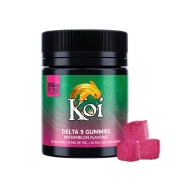
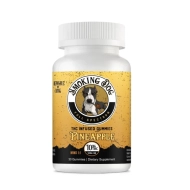
- THC 1:1 CBD Gummies
- THC Only Gummies
- THCV Gummies
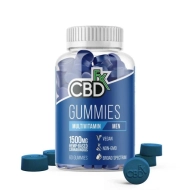
- Broad Spectrum Gummies
- CBD Isolate Gummies
- Full Spectrum Gummies
4. Stay Informed
Keep up with the latest news and updates regarding cannabis regulations. Understanding the evolving landscape will empower you to make informed choices.
Conclusion
The hemp-derived CBD and THC market is at a crossroads, with regulatory changes shaping the future of product availability and safety. By staying informed and understanding both federal and state regulations, consumers can navigate this complex landscape more effectively. As the industry continues to evolve, being proactive in your research and understanding of the market will ensure that you make the best choices for your needs.
Frequently Asked Questions
What should I look for when purchasing CBD or THC products?
Look for third-party lab testing results, clear labeling, and reputable brands. Understanding the product's cannabinoid content and sourcing is crucial.
Are there different types of CBD products available?
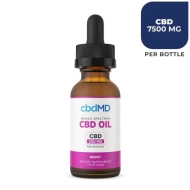
Yes, there are various types of CBD products, including full-spectrum, broad-spectrum, and CBD isolate options, as well as edibles like gummies and tinctures.
How can I find out if CBD is legal in my state?
You can check the Is CBD Legal? (State-by-State) guide for detailed information on the legality of CBD in your state.
Related Chow420 Pages
Shop What You Just Read About
Every product is COA-verified and blockchain-anchored on Chow420.