





THCA vs THC
Two compounds that get compared constantly and confused almost as often. Here is the structural difference, where each one comes from, and what our own lab reports measure for each.
Updated October 14, 2026 · figures recomputed from the live catalogue.
The structural difference
THCA
THCA carries a carboxyl group that Delta-9 THC does not. Applying heat removes that group — decarboxylation — and converts THCA into Delta-9 THC. Because THCA is the heavier molecule, the conversion is not one-for-one: the standard factor is 0.877, which is why Total THC is calculated as Delta-9 plus THCA multiplied by 0.877.
Delta-9 THC
Delta-9 THC is what THCA becomes after decarboxylation. It is the compound named in the 2018 Farm Bill definition of hemp, which set a ceiling of 0.3% by dry weight.
What that means on a label
THCA is the single most consequential cannabinoid for hemp legality. The 2018 Farm Bill measured Delta-9 THC alone, so flower bred high in THCA and low in Delta-9 could test as compliant hemp while still producing Delta-9 once heated. A Total THC standard closes that gap.
Every compliance question in US hemp ultimately resolves to a Delta-9 or Total THC number. It is the figure to read first on any certificate.
Side by side, as measured
| Products detected | Lowest | Average | Highest | Labs | |
|---|---|---|---|---|---|
| THCA | 29 | 0.001% | 7.797% | 32.718% | 10 |
| Delta-9 THC | 160 | 0.001% | 0.159% | 0.298% | 29 |
These are catalogue ranges, not a controlled comparison. Product form moves these numbers more than the compound does, which is exactly why a single certificate tells you more than any average.
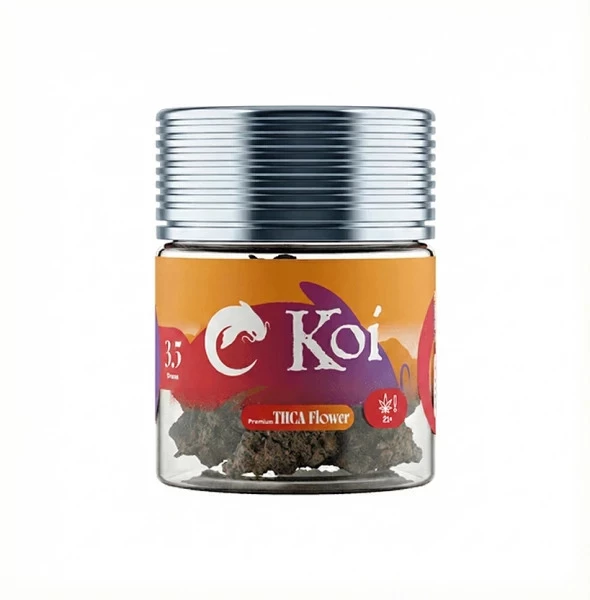
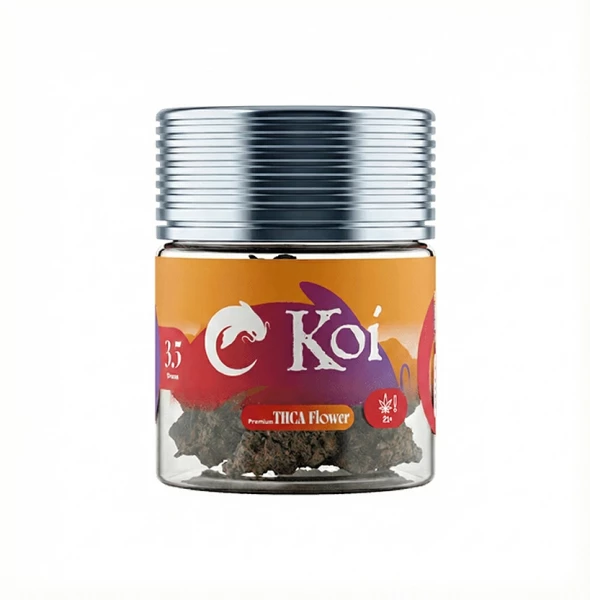
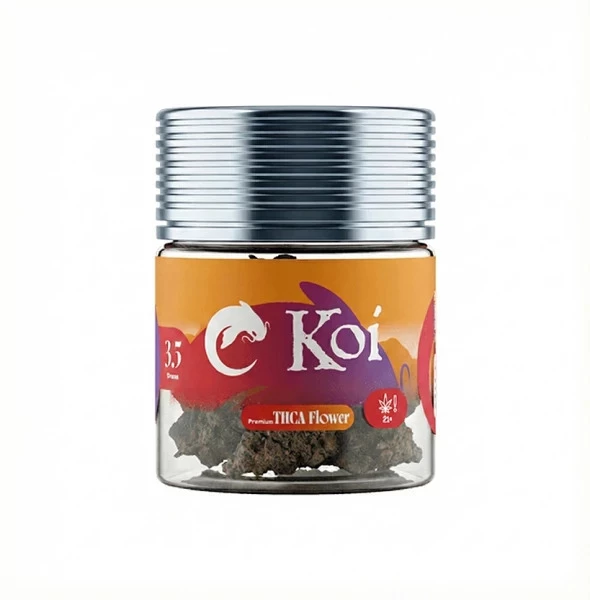
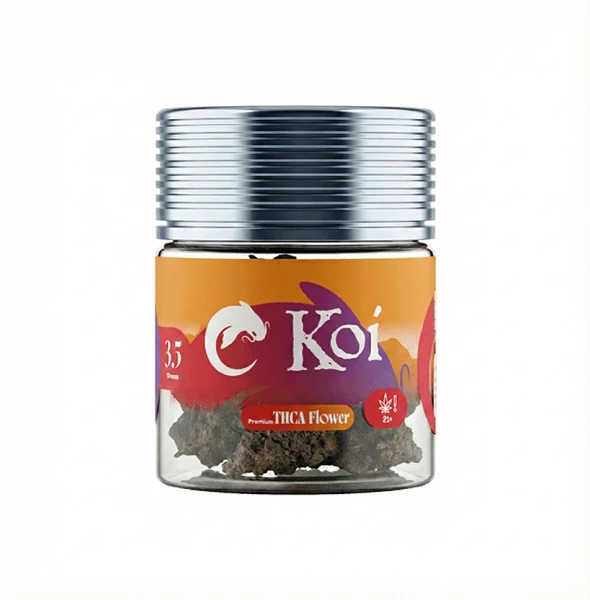
Highest THCA products
Highest Delta-9 THC products
Common questions
What is the difference between THCA and Delta-9 THC?
THCA is the acidic precursor the living plant actually produces. Heat converts it to Delta-9 THC. Delta-9 THC is the cannabinoid federal hemp law is written around. They are distinct molecules and a certificate of analysis reports them separately.
Is THCA stronger than Delta-9 THC?
Measured content is the only comparison we can make from lab data. In this catalogue THCA shows 0.001% to 32.718% across 29 products, and Delta-9 THC shows 0.001% to 0.298% across 160 products. Those ranges reflect product form as much as the compound, so compare individual certificates rather than category averages.
How is THCA formed compared with Delta-9 THC?
THCA carries a carboxyl group that Delta-9 THC does not. Applying heat removes that group — decarboxylation — and converts THCA into Delta-9 THC. Because THCA is the heavier molecule, the conversion is not one-for-one: the standard factor is 0.877, which is why Total THC is calculated as Delta-9 plus THCA multiplied by 0.877. By contrast, delta-9 THC is what THCA becomes after decarboxylation. It is the compound named in the 2018 Farm Bill definition of hemp, which set a ceiling of 0.3% by dry weight.
Which one does hemp law actually measure?
Federal hemp law is written around Delta-9 THC, with newer language using Total THC, which adds the THCA that converts on heating. Other cannabinoids are treated separately and state by state, so check the position where you are.
Other comparisons
Chemistry and measured content only. No health outcome is claimed or implied, and nothing here is medical or legal advice.
